
Taming the Desert: Propagating Escobaria laredoi, the Rare and Resilient Cactus
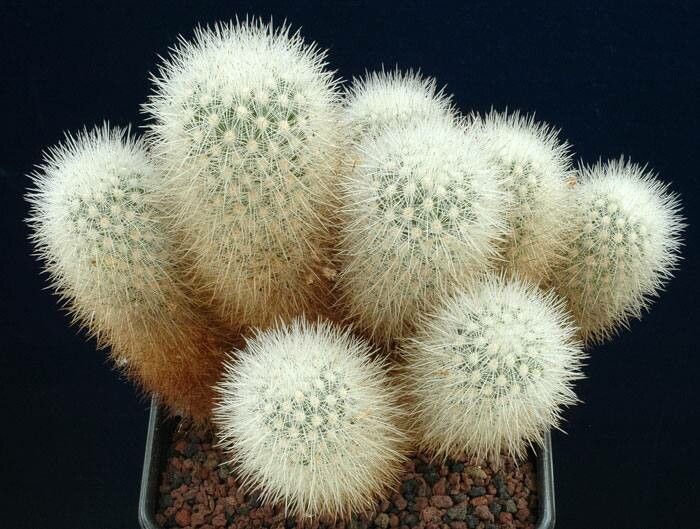
Escobaria laredoi, with its distinctive spiny armor and delicate, bell-shaped flowers, is a captivating cactus native to the harsh landscapes of Texas and Mexico. For those seeking a challenge and the reward of cultivating this rare beauty, propagation is the key to expanding your collection or sharing this species.
While Escobaria laredoi can be intimidating due to its rarity, propagation isn’t a daunting task. This guide will equip you with the knowledge and techniques to successfully propagate this fascinating cactus, whether through seed or cuttings.
1. Seed Propagation: A Journey from Tiny Seed to Tiny Cactus
- Acquiring Seeds: Sourcing Escobaria laredoi seeds might require a bit of research. Check out reputable online nurseries, seed banks, or specialized cactus societies.
- Sowing the Seeds: Begin by selecting a well-draining seed starting mix, ideally composed of a blend of pumice, perlite, and coarse sand. Fill a seed tray or small pots with this mix and lightly moisten it. Sow your seeds thinly, spacing them out to allow room for future growth. Cover the seeds with a fine layer of the mix, just enough to obscure them, and mist lightly.
- Germination: A warm and sunny environment is key for germination. Place your seed tray under a grow light or in a warm, bright south-facing window. Maintain consistent humidity by covering the tray with a clear plastic dome or wrap.
- Patience is Key: Escobaria laredoi seeds can take anywhere from several weeks to several months to germinate. Once seedlings emerge, gradually acclimate them to direct sunlight to avoid scorching.
2. Cutting Propagation: A Faster Track to a New Plant
- Choosing Cuttings: Select healthy, mature stems from a mature Escobaria laredoi plant. Ensure the chosen section is at least two inches long and has a few good nodes.
- Preparing the Cutting: Use a sharp, sterilized knife or blade to make a clean cut at the base of the stem. Allow the cutting to dry for a few days, forming a callus to prevent rot.
- Planting the Cutting: After the callus has formed, plant the cutting in a pot filled with well-draining cactus potting mix. Lightly press the cutting into the mix, making sure the cutting is upright. Avoid over-watering and keep the soil slightly moist.
- Root Development & Patience: Place the potted cutting in a warm, sunny location and be patient. Roots are a key factor for success, and it can take several weeks for the cutting to establish a strong root system.
Important Considerations:
- Light: Escobaria laredoi thrives in full sun conditions.
- Watering: Allow the soil to dry completely between waterings, as overwatering can lead to root rot.
- Temperature: These cacti prefer warm temperatures, but are tolerant of mild cold. Protect them from frost.
- Repotting: As your Escobaria laredoi grows, you may need to repot it into a larger container. Choose a terracotta pot with drainage holes for optimal air circulation.
Conclusion:
Propagating Escobaria laredoi opens doors to appreciating the beauty of these resilient desert treasures. Whether you opt for the patience of seed propagation or the speed of cutting propagation, the rewards are worth the effort. Share your journey with others, and together, let’s celebrate the captivating world of cacti and its intricate processes of propagation.