
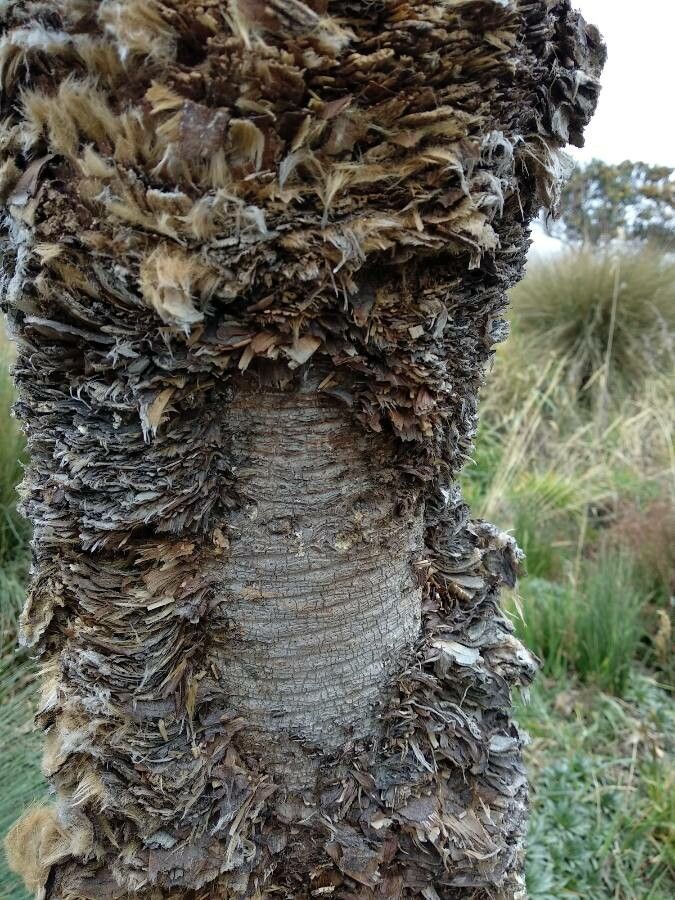
Reaching for the Sky: Propagating the Majestic Espeletia Boyacensis
High in the Colombian Andes, amidst the clouds and chilling winds, lives a plant like no other: the Espeletia Boyacensis. Often called “Frailejones” for their resemblance to hooded monks, these giant rosette plants with their fuzzy silver leaves and sunny yellow flowers are a captivating sight. But did you know that these unique plants, symbols of resilience in harsh environments, can be propagated and even thrive outside their natural habitat with the right care?
While a rare find in cultivation, propagating Espeletia Boyacensis, though challenging, can be a rewarding endeavor for dedicated plant enthusiasts. Here’s a deep dive into the techniques:
Two Roads to Propagation:
Seeds:
- Source: Obtaining seeds can be tricky. You might find specialized online retailers or botanical societies dealing with high-altitude flora.
- Sowing: These tiny seeds need light to germinate. Sprinkle them on the surface of a well-draining, slightly acidic soil mix and mist lightly.
- Conditions: Mimicking their natural habitat is key. Maintain cool temperatures (around 15-18°C or 59-64°F), high humidity (use a humidity dome or regular misting), and provide bright, indirect light.
- Patience is Key: Germination can be erratic, taking anywhere from a few weeks to several months.
- Cuttings:
- Timing is Crucial: Late spring or early summer, when the plant is actively growing, offers the highest chance of success.
- Taking the Cutting: Select a healthy, non-flowering side shoot. Make a clean cut just below a leaf node using a sterilized knife or shears.
- Hormone Help: While not mandatory, dipping the cut end in rooting hormone can significantly improve the chances of successful rooting.
- Potting Mix and Conditions: Use a well-draining mix with good aeration, similar to what you’d use for seeds. Maintain the same cool temperatures, high humidity, and bright, indirect light as you would for seedlings.
Nurturing Your Espeletia Boyacensis:
- Watering: These plants prefer consistently moist but not waterlogged soil. Allow the top inch of soil to dry out between waterings.
- Humidity: Maintaining high humidity is crucial, especially for young plants. Consider using a humidifier or placing the pot on a tray filled with pebbles and water.
- Fertilization: Feed your Espeletia Boyacensis sparingly during the growing season (spring and summer) with a balanced, diluted fertilizer.
- Pests and Diseases: Espeletia Boyacensis, when grown in the right conditions, are relatively pest-free. However, be vigilant against common houseplant pests like aphids or spider mites, and address any issues promptly.
Propagating and caring for Espeletia Boyacensis is a labor of love, requiring patience and dedication. But the reward of seeing a new generation of these majestic alpine plants flourish under your care is a truly fulfilling experience. Just remember to mimic their natural habitat, be patient, and enjoy the journey of growing these fascinating botanical treasures.