
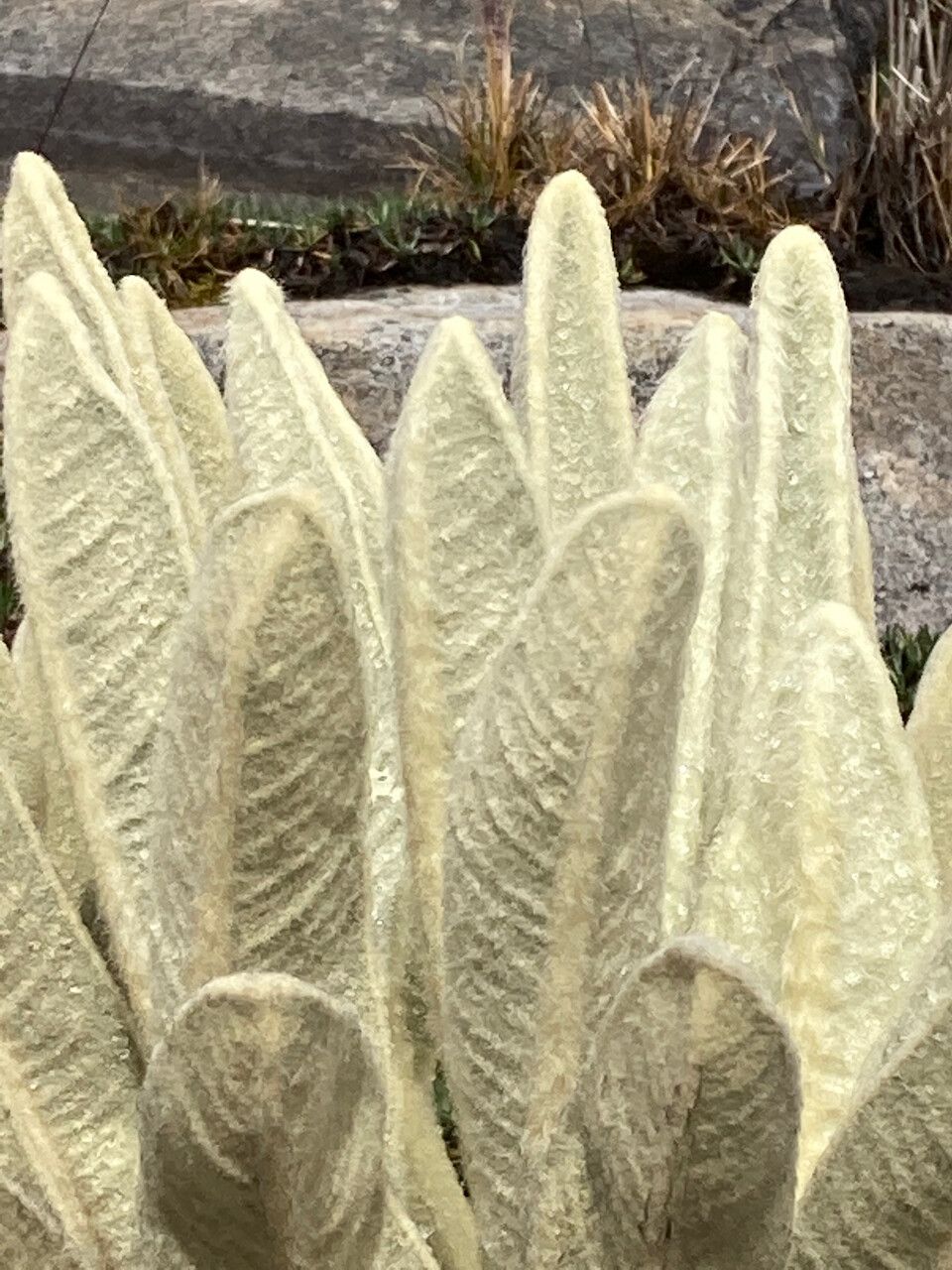
From Seed to Summit: Propagating the Majestic Espeletia lopezii
The Espeletia lopezii, also known as the “frailejón,” is a striking and iconic plant of the Andean páramo ecosystem. These towering rosettes, with their fuzzy, silvery leaves and vibrant yellow flowers, are a vital part of the high-altitude environment. If you’re passionate about these remarkable plants and wish to contribute to their conservation, you might be wondering about propagation. Luckily, propagating Espeletia lopezii can be a rewarding, though sometimes challenging, journey.
Understanding the Challenges:
The first thing to note is that Espeletia lopezii, like many high-altitude plants, is highly adapted to its specific environment. This means that replicating its growing conditions outside of its native range can be tricky. The most common methods used for propagating these plants are:
- Seed Propagation: This is the most common method, but also the most time-consuming. The seeds themselves are tiny and delicate, requiring careful handling and specific germination conditions.
- Vegetative Propagation (Cuttings): This method is less common, mainly due to the difficulty in rooting cuttings. The thick, woody stems of Espeletia lopezii make it challenging to achieve successful rooting.
Step-by-Step Guide to Seed Propagation:
- Source the Seeds: Obtain Espeletia lopezii seeds from a reputable source such as a botanical garden or conservation organization.
- Prepare the Seed Starting Mix: Use a well-draining, sterile seed starting mix, preferably one formulated for alpine or high-altitude plants.
- Sow the Seeds: Sow the seeds thinly on the surface of the seed starting mix, gently pressing them in. Do not cover them with soil, as they need light for germination.
- Maintain Moisture: Keep the seed mix consistently moist but not waterlogged. You can use a spray bottle to mist the surface, or place the seed tray in a humidity dome.
- Provide Light and Temperature: Espeletia lopezii seeds need bright, indirect light and cool temperatures. Use a grow light or place the seed tray in a sunny window. Optimal germination temperatures range from 10°C to 15°C.
- Patience is Key: Germination can take several weeks to several months. Be patient and observe the seeds, looking for signs of growth. Once the seedlings have developed a few true leaves, they can be transplanted into individual pots.
Tips for Success:
- Sterilization: Sterilize your tools and growing medium to prevent fungal infections.
- Water Carefully: Avoid overwatering, as it can lead to root rot.
- Simulate Native Conditions: Use a well-drained potting mix, ensure good ventilation, and mimic the cool, moist conditions of the páramo.
- Acclimatize Gradually: If you are growing your Espeletia lopezii outdoors, acclimatize it gradually to different temperatures and light levels.
Beyond Propagation:
Successfully propagating Espeletia lopezii is not just a personal achievement, but also a powerful act of conservation. By fostering these plants, you help preserve their biodiversity and play a role in the ongoing efforts to protect their unique Andean habitat.
Remember, the journey of propagating any plant is filled with learning and observation. Embrace the challenges and appreciate the rewards of seeing these magnificent “frailejones” flourish under your care.