
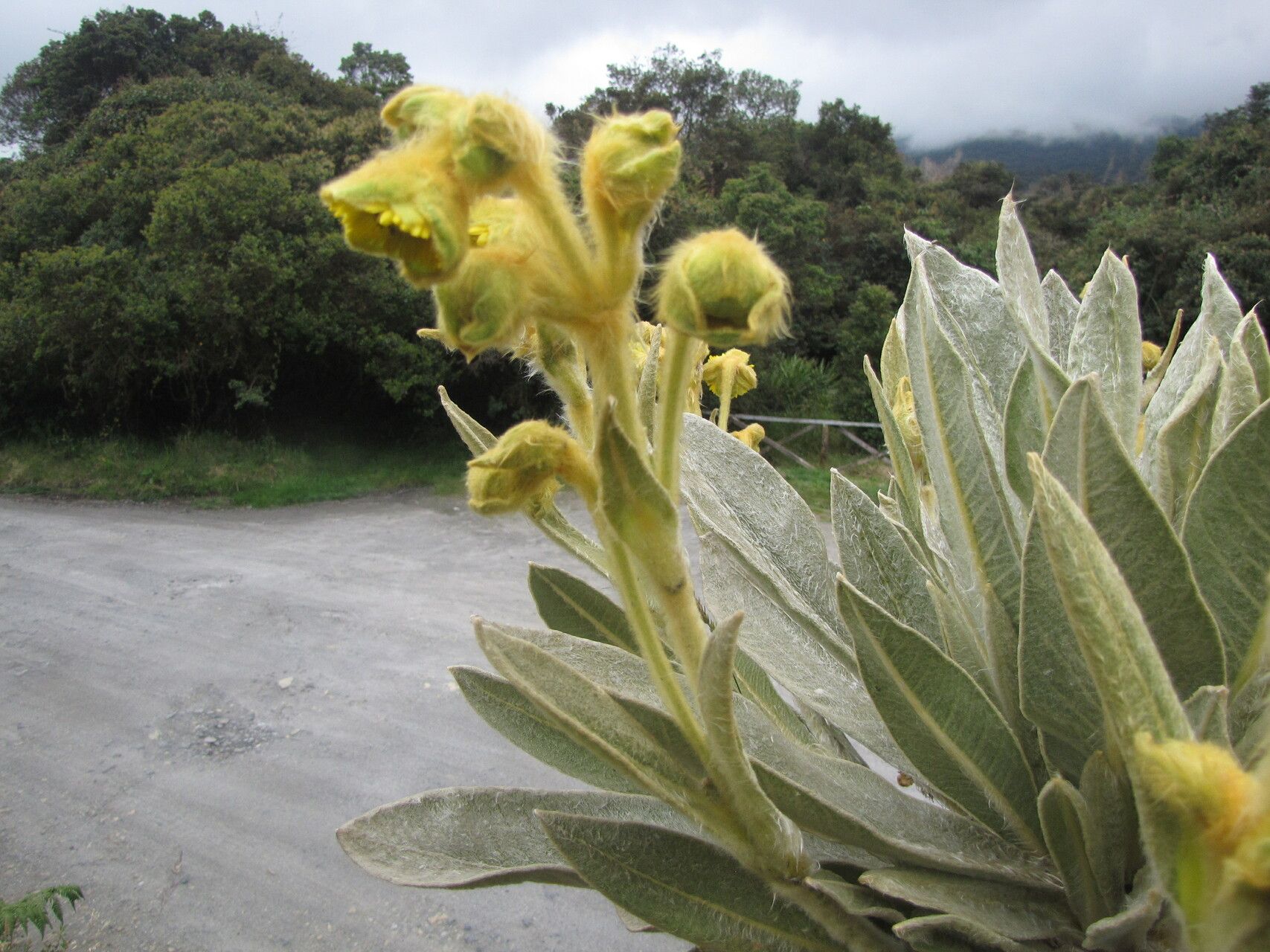
Taming the High-Altitude Sun: Propagating the Majestic Espeletia Pycnophylla
High in the Andean páramos, a landscape characterized by harsh winds, intense sunlight, and fluctuating temperatures, grows a plant as resilient as it is unique: the Espeletia pycnophylla. Known colloquially as “Frailejones” for their resemblance to robed friars, these giants of the high plains capture the imagination with their silvery foliage and towering blooms. While challenging to replicate their extreme natural environment, propagating Espeletia pycnophylla offers a rewarding way to cultivate these fascinating plants outside their native habitat.
Understanding the Challenges:
Before diving into propagation methods, it’s crucial to understand the unique challenges associated with Espeletia pycnophylla. These plants have evolved specific adaptations to thrive in their challenging environment, making replication tricky.
- Altitude: Espeletia species are adapted to high altitudes with intense UV radiation. Mimicking this light intensity at lower elevations can be difficult.
- Temperature: The páramo experiences significant temperature fluctuations between day and night. Achieving this balance in a home or greenhouse setting requires careful monitoring.
- Humidity: While Espeletia are drought-tolerant, they benefit from high air humidity, a feature hard to replicate outside their natural habitat.
Propagation Methods:
Despite the challenges, propagating Espeletia pycnophylla is possible with dedication and the right approach. Here are two primary methods:
1. Seed Propagation:
- Source: Obtaining seeds can be challenging as they are rarely available commercially. Specialist nurseries or seed exchanges dedicated to alpine plants are your best bet.
- Sowing: Use a well-draining, slightly acidic seed starting mix. Sow seeds superficially and keep consistently moist but not waterlogged.
- Light and Temperature: Provide bright, indirect light and maintain a temperature between 18-21°C (65-70°F).
- Germination: Germination can be slow and erratic, taking several weeks or even months. Patience is key.
2. Basal Cuttings:
- Timing: The optimal time for taking basal cuttings is late spring or early summer.
- Method: Carefully remove a healthy basal rosette from the base of the plant, ensuring a clean cut. Allow the cutting to callous for a day before planting.
- Planting: Use a well-draining rooting medium and provide a humid environment. Consider a humidity dome or misting regularly.
- Rooting: Rooting can take several weeks. Once new growth appears, you can gradually acclimate the plant to lower humidity.
Essential Care for Successful Propagation:
- Well-draining soil: Soggy soil is a death knell for Espeletia. Opt for a loose, well-draining mix mimicking their rocky environment.
- Watering: Water deeply but infrequently, allowing the soil to dry out slightly between waterings.
- Light: Bright, indirect light is crucial. In lower elevations, providing some protection from intense midday sun is essential.
- Patience: Espeletia pycnophylla are slow-growing plants. Expect slow progress and don’t be discouraged by setbacks.
Propagating Espeletia pycnophylla is not for the faint of heart, but the rewards are undeniable. Successfully cultivating this emblem of the Andes offers a unique connection to a remarkable ecosystem and the satisfaction of nurturing a truly extraordinary plant.