
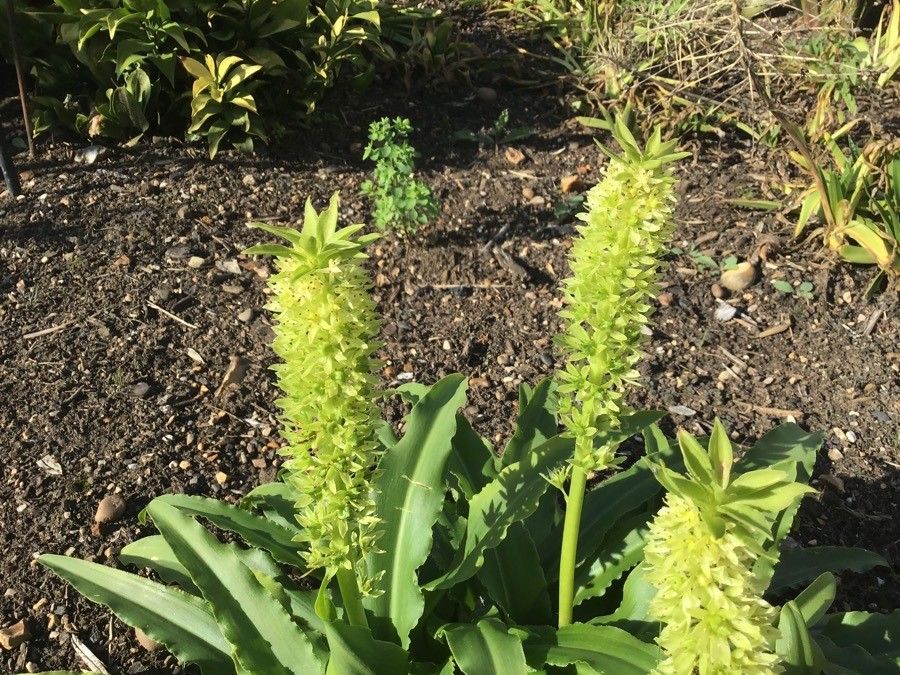
Unleashing the Zambian Star: Propagating Eucomis zambesiaca
The Eucomis zambesiaca, also known as the Zambian Pineapple Lily, is a charming bulbous plant native to the grasslands of southern Africa. Unlike its more common cousin, the Pineapple Lily (Eucomis comosa), this species boasts a more delicate charm with shorter stature and a captivating starburst bloom of white to pale green flowers.
If you’re lucky enough to have this exotic beauty grace your garden or windowsill, you might be wondering how to get more of this unique plant. Fortunately, propagating Eucomis zambesiaca, while not as widely discussed, is quite achievable and rewarding. Let’s explore the two main methods:
1. Offsets (Bulblets):
Like many bulbous plants, Eucomis zambesiaca produces offsets, or small bulblets, around the base of the mother bulb. This natural cloning process offers the simplest and most reliable way to propagate this species.
- Timing is Key: The best time to divide and replant offsets is in the early spring as the plant begins its active growing period.
- Gentle Division: Carefully dig up the entire clump and gently remove the soil around the bulbs. Using sterilized shears or a sharp knife, carefully separate the offsets from the mother bulb, ensuring each offset has its own root system attached.
- Potting Up: Plant the offsets in well-draining potting medium, burying them at the same depth they were originally growing. Water well and place them in a bright location, but out of direct sunlight.
- Patience is a Virtue: It may take a year or two for the offsets to reach a size where they’ll flower. However, with proper care and attention, you’ll soon have a vibrant cluster of Zambian Pineapple Lilies.
2. Seeds:
While not as common or predictable as propagating from offsets, growing Eucomis zambesiaca from seed offers a fun and rewarding challenge for gardening enthusiasts.
- Source Fresh Seeds: You can collect seeds from your own plant once the flower stalk dries or purchase fresh seeds online or from reputable nurseries.
- Sowing Time: The optimal time to sow the seeds is in late winter or early spring.
- Starting Seeds: Use a well-draining seed starting mix and sow the seeds thinly, covering them lightly with the mix.
- Warmth and Light: Provide bottom heat using a heat mat and place the seed tray in a bright location out of direct sunlight.
- Transplanting: Once the seedlings have developed a strong root system and a few true leaves, they can be carefully transplanted into individual pots.
Nurturing Your New Arrivals:
Whether you choose offsets or seeds, providing the right environment for your new Eucomis zambesiaca is essential for their success.
- Well-Drained Soil: These plants are susceptible to root rot, so ensure a well-draining potting mix or amend your garden soil with perlite or sand.
- Light Requirements: Place them in a location that receives ample bright, indirect light or dappled shade.
- Watering: Water regularly during the growing season, allowing the soil to dry slightly between watering. Reduce watering in winter when the plant is dormant.
- Feeding: Fertilize regularly during the growing season with a balanced, water-soluble fertilizer.
Propagating your own Eucomis zambesiaca is not just about expanding your plant collection – it’s about connecting with the fascinating life cycle of this unique species. So, why not try your hand at multiplying these Zambian stars and enjoy their exotic beauty for years to come?