
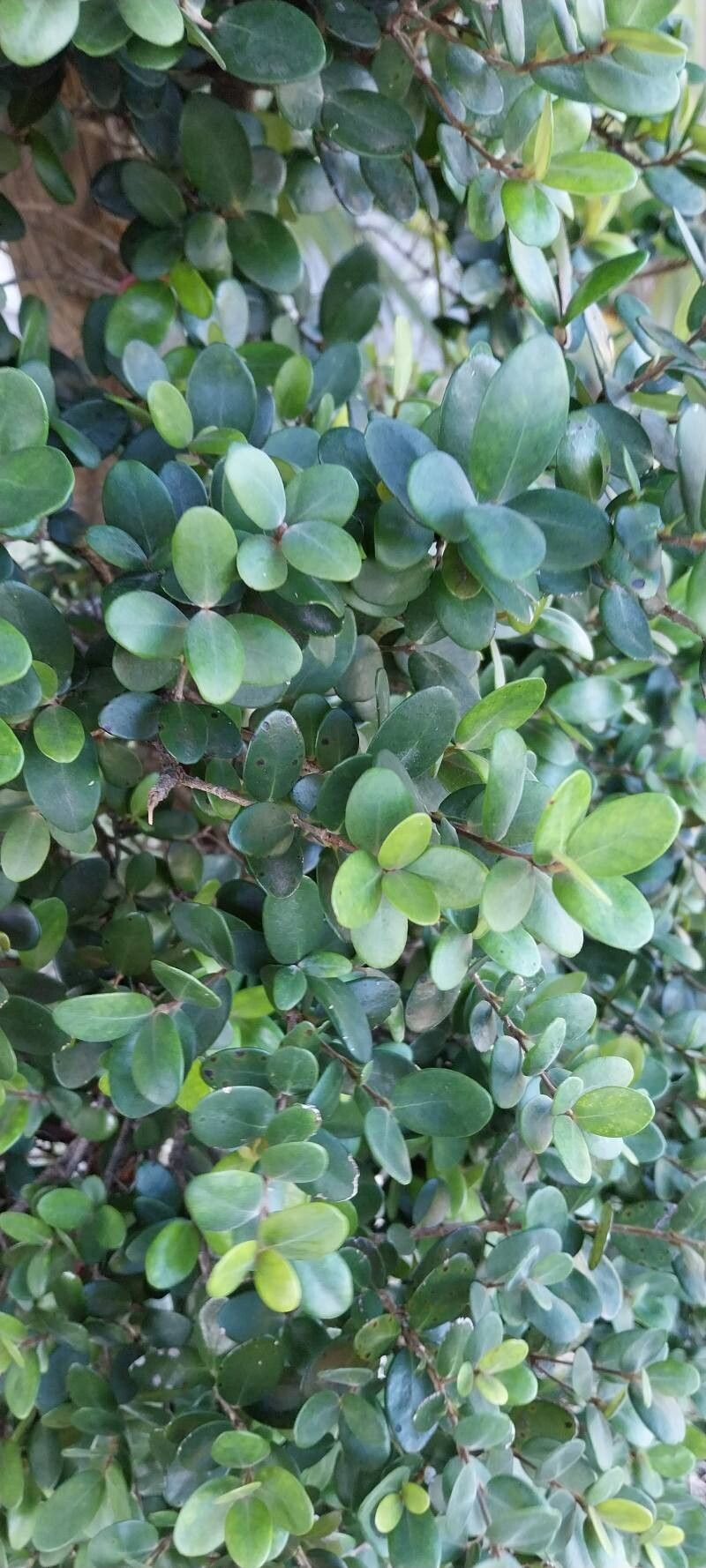
Tiny but Mighty: How to Propagate Your Own “Myrtle”
The Eugenia buxifolia, commonly known as “Myrtle,” isn’t just a beautiful, fragrant shrub. It’s also surprisingly easy to propagate, making it a great choice for gardeners of all levels. Whether you want to expand your own collection or share the joy of these tiny-leafed wonders with friends, learning to propagate your own Myrtle is both satisfying and rewarding.
The Secrets of Myrtle Propagation
Eugenia buxifolia can be propagated using two primary methods:
- Cuttings: This is the most popular and successful method for Myrtle. It involves taking a healthy stem cutting and encouraging it to root in a suitable medium.
- Seed Propagation: While possible, this method is less common, as Myrtle seed germination can be unpredictable and take longer.
Ready, Set, Cut! – How to Propagate Myrtle with Cuttings
- Choose Your Cutting: This is crucial! Select a healthy, non-flowering stem from the current year’s growth. Aim for a 4-6 inch cutting with several sets of leaves.
- Make a Sharp Cut: Using a sharp knife or pruning shears, make a clean cut just below a node (the point where a leaf joins the stem).
- Time to Root: Dip the base of your cutting in rooting hormone powder. This promotes root development.
- Plant Your Cutting: Use a small pot filled with well-draining rooting mix. The mix should be moist but not soggy.
- Create a Humid Environment: Cover the pot with a clear plastic bag or dome to create a mini-greenhouse. This traps moisture and warmth, encouraging root growth.
- Patience is Key: Root development can take several weeks, even months. Keep the soil consistently moist and ensure the cutting receives bright indirect light.
- Transplanting: Once roots have formed (usually indicated by new leaf growth) you can remove the plastic cover and gradually introduce the cutting to direct sunlight. Allow it to grow further before transplanting into a larger pot or outdoor location.
Pro Tips for Successful Myrtle Propagation
- Timing is Everything: The best time to take Myrtle cuttings is in early spring or late summer.
- Sharp Tools Matter: Use a clean, sharp knife or pruning shears to prevent damaging the stem.
- Don’t Overwater: Maintain consistent moisture in the rooting mix, but avoid overwatering, as it can lead to rot.
- Keep it Bright: Bright, indirect light is ideal for promoting healthy growth. However, avoid direct sunlight, especially during the hottest months.
Sharing the Beauty of Myrtle
By learning to propagate your own Eugenia buxifolia, you’re not just creating more plants; you’re creating a miniature ecosystem. Myrtle is a magnet for pollinators and attracts beautiful butterflies, adding vibrancy to your garden. Share your knowledge with others, and together, let’s spread the joy of this tiny but mighty shrub!