
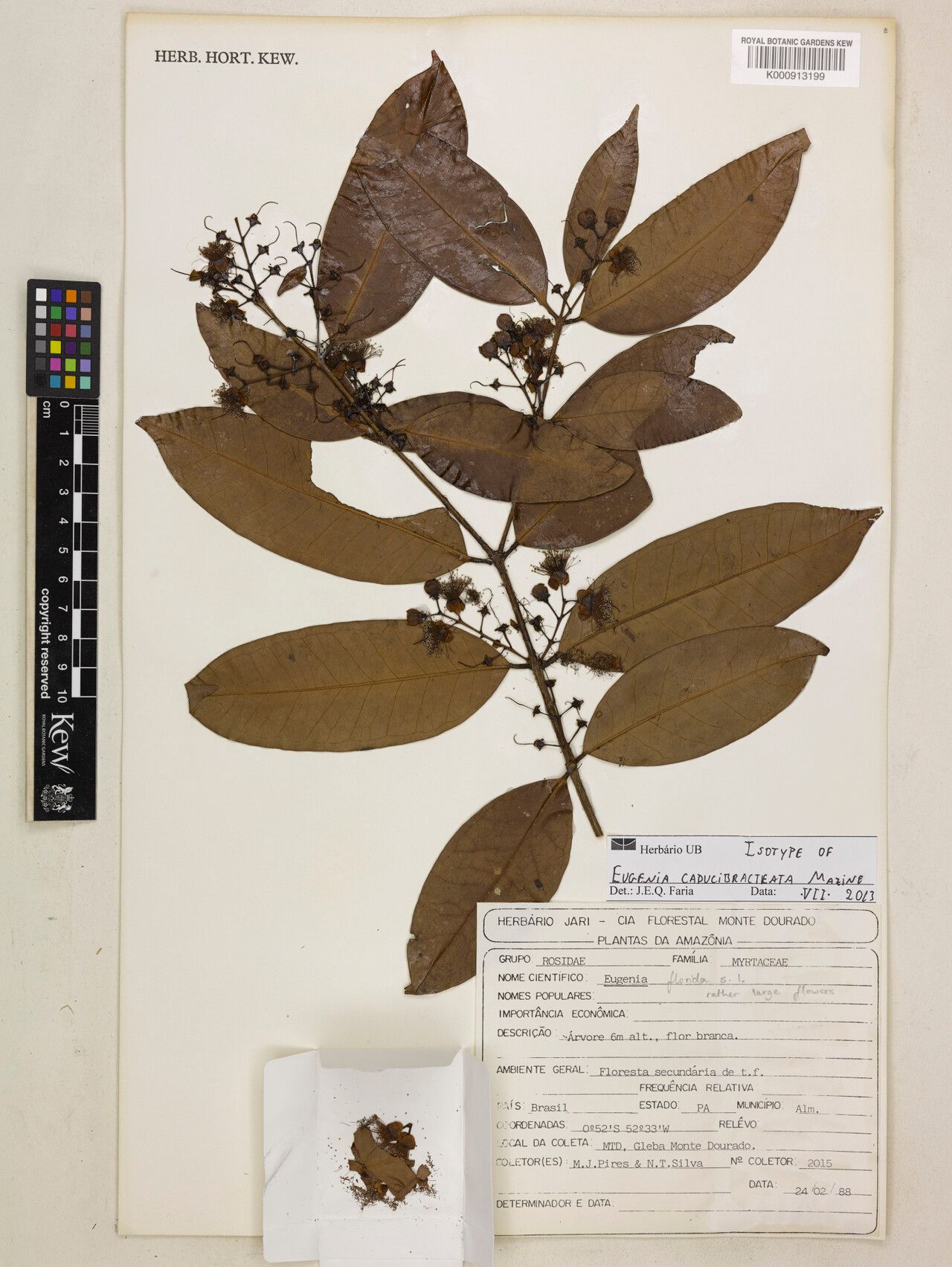
Bringing the “Rainforest Cherry” Home: Propagating Eugenia caducibracteata
Are you captivated by the vibrant, red fruits and glossy foliage of the Eugenia caducibracteata, also known as the “Rainforest Cherry”? This stunning plant, native to the rainforests of Brazil, is becoming increasingly popular for its unique beauty and delicious, sweet fruit. There’s good news for plant enthusiasts: propagating Eugenia caducibracteata is achievable, and with a bit of guidance, you can bring the rainforest to your own home.
Two Main Methods:
The most common methods for propagating Eugenia caducibracteata are:
1. Propagation by Seed:
This method is relatively straightforward and requires patience. Gather ripe, red fruit from your existing plant or purchase seeds from a reputable source. Follow these steps:
- Preparation: Rinse the seeds thoroughly to remove any pulp or residue.
- Sowing: Sow the seeds in a well-draining seed starting mix, about ¼ inch deep. Lightly cover with soil and mist the surface.
- Environment: Place the seeds in a warm, bright location, maintaining a soil temperature between 75-85 degrees Fahrenheit. Maintain humidity and avoid direct sunlight.
- Germination: Expect germination within several weeks to a couple of months.
- Growth: Keep seedlings nurtured in a bright location and gradually acclimate them to direct sunlight over time. Repot as needed.
2. Propagation by Cuttings:
This method offers a faster way to establish new Eugenia caducibracteata plants. Choose healthy, new growth stems with a few leaf nodes.
- Preparation: Cuttings should be about 4-6 inches in length. Remove the lower set of leaves, leaving two or three at the top. Dip the cut end in rooting hormone to stimulate growth.
- Planting: Prepare a growing medium specifically for rooting cuttings. These can be found in garden centers or you can mix equal parts peat moss and perlite. Plant the cuttings in a pot or tray, ensuring the node is buried in the soil.
- Environment: Provide a warm, humid environment, Ideally, keep the cuttings under a humidity dome or a clear plastic bag to maintain moisture. Indicate a bright location but avoid direct sunlight.
- Rooting: Cuttings should start to root within several weeks to a few months.
What to Expect:
Regardless of the method you choose, remember that patience is key to successful propagation. Be prepared for consistent watering, good drainage, and a humid environment. Your Eugenia caducibracteata will thrive with the right care, rewarding you with beautiful foliage and delicious fruit in time.
Beyond the Basics:
For a more comprehensive approach, research advanced propagation techniques like air layering. This technique involves rooting a stem on the existing plant, allowing you to create new plants without having to cut off branches. Consider joining online horticultural forums or connecting with experienced growers for more in-depth guidance.
Conclusion:
Propagating Eugenia caducibracteata is a rewarding experience that allows you to share the beauty and bounty of this unique plant. Whether you opt for seeds or cuttings, follow the outlined steps and provide the necessary care. Soon enough, you’ll be enjoying the fresh, sweet taste of Rainforest Cherries grown in your own garden. Don’t hesitate to embark on this propagation adventure – you’ll surely be amazed by the thriving Eugenia caducibracteata you cultivate.