
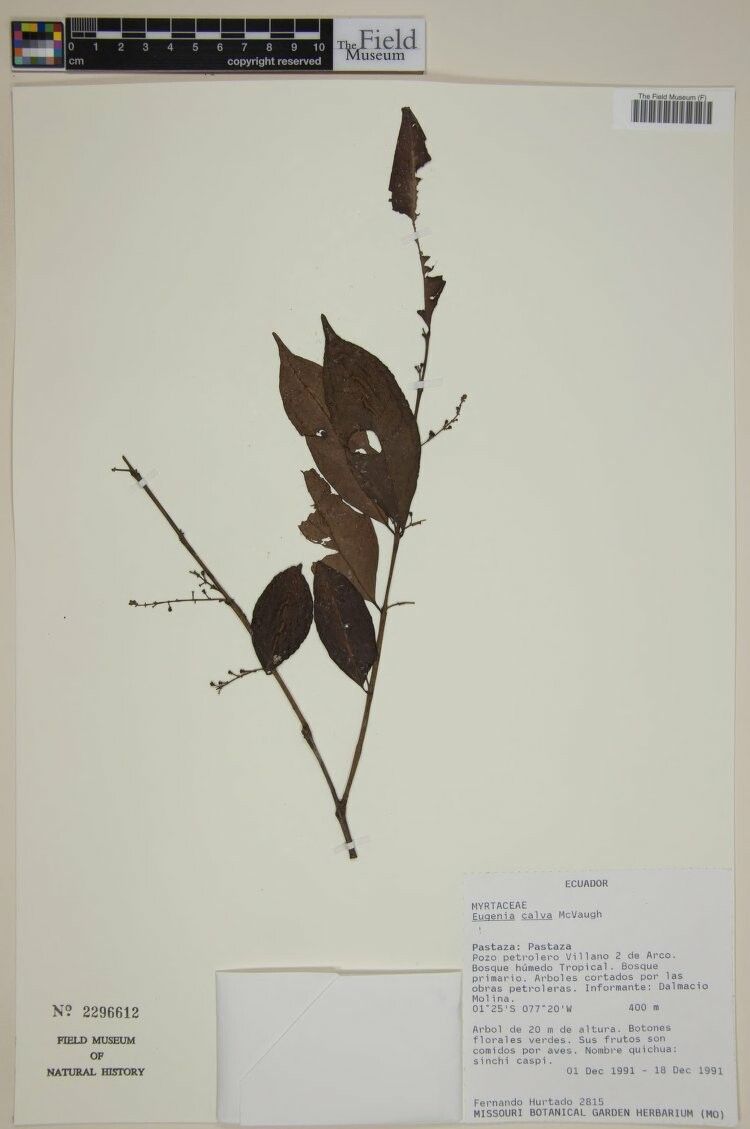
Unveiling the Secrets of Eugenia Calva Propagation: Grow Your Own Native Beauty
Eugenia calva, also known as the bald-fruited myrtle or brush cherry, is a captivating Florida native boasting glossy evergreen foliage and a dense, compact form. This small tree or large shrub, often reaching heights of 10-15 feet, is perfect for adding a touch of natural beauty to any landscape. But beyond its aesthetic appeal, Eugenia calva holds another secret: it’s surprisingly easy to propagate, allowing you to multiply your verdant treasures and share them with others.
Two Paths to Propagation Success:
While Eugenia calva can be grown from seed, the process requires patience as germination can be slow and inconsistent. For more predictable and faster results, cuttings are the go-to method. Here’s a breakdown of both techniques:
1. The Way of the Seed:
- Harvesting: Collect mature, ripened fruits directly from the tree. These are characterized by their dark purple to black color.
- Seed Extraction: Extract the seeds from the fleshy fruit and rinse them thoroughly to remove any pulp remnants.
- Sowing: Plant the seeds in a well-draining seed starting mix, covering them lightly with soil.
- Patience is Key: Be patient! Germination can take several weeks to a few months. Maintaining consistent moisture and warmth (around 70-75°F) will improve your chances.
2. The Art of Cuttings:
- Timing is Everything: Take cuttings in late spring or early summer when the plant is actively growing.
- Selecting the Perfect Candidate: Choose healthy, semi-hardwood stems that are about 4-6 inches long and have several nodes.
- Preparing the Cutting: Remove the leaves from the bottom third of the stem, leaving 2-3 leaves at the top.
- Hormone Boost (Optional): Dipping the base of the cutting in a rooting hormone can encourage faster root development.
- Planting the Cutting: Plant the prepared cutting in a well-draining potting mix, burying at least one node below the surface.
- Creating a Humid Haven: Cover the pot with a clear plastic bag or humidity dome to maintain moisture and encourage rooting.
- Light and Patience: Place the cutting in bright, indirect light and keep the soil consistently moist. Rooting usually takes about 6-8 weeks.
Transplanting Your Success:
Once your Eugenia calva seedlings or rooted cuttings have developed a robust root system, it’s time to transplant them. Choose a location with well-draining soil and full sun to partial shade. Water regularly, especially during the establishment phase.
Beyond Propagation:
Propagating Eugenia calva isn’t just about multiplying your plant collection; it’s about connecting with nature and contributing to the preservation of this wonderful native species. Imagine gifting a friend a homegrown Eugenia calva, each leaf whispering the story of your propagation journey. So, gather your gardening tools, embrace the adventure, and unlock the secrets of Eugenia calva propagation today!