
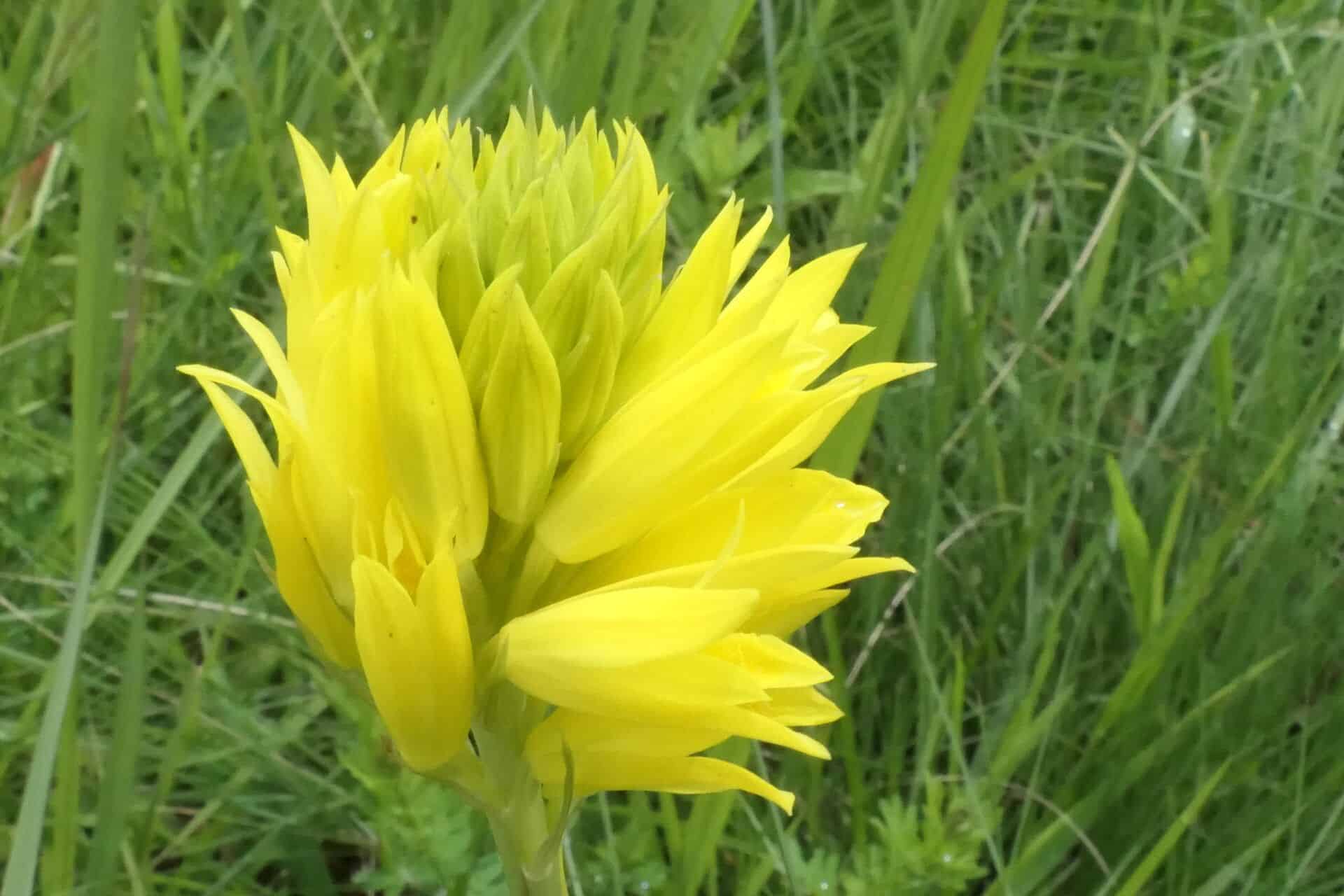
Waking the Sleeping Beauty: Propagating the Enchanting Eulophia ensata Orchid
The Eulophia ensata, also known as the "Grass Orchid," might surprise you with its understated elegance. Unlike its showy cousins, this terrestrial orchid captivates with its delicate, grass-like foliage and intricate, often fragrant blooms. And while it may seem like magic to bring forth more of these beauties, propagating Eulophia ensata is an achievable feat for even the average plant enthusiast.
Let’s explore the two primary methods of bringing more of these enchanting orchids into your life:
1. Division: The "Set it and Forget it" Method
Division is the most common and arguably easiest way to propagate Eulophia ensata. This method relies on the orchid’s natural tendency to form clumps of pseudobulbs, which are thickened stems that store water and nutrients. Here’s how you do it:
- Timing is Key: The best time to divide your Eulophia ensata is during its dormant season, typically in the fall or early winter after flowering has finished.
- Gentle Separation: Carefully remove the plant from its pot and gently loosen the soil around the roots. Look for natural divisions within the clump, where pseudobulbs are connected by rhizomes (underground stems).
- Clean Cuts: Using a sterilized knife or shears, carefully separate the clump into sections, ensuring each division has at least 3-4 healthy pseudobulbs and a good portion of roots.
- Potting Up: Plant each division in a well-draining orchid potting mix, ensuring the base of the pseudobulbs sits at or slightly above the soil surface. Water sparingly until new growth appears.
2. Seeds: For the Patient Gardener
Propagating Eulophia ensata from seed is a more challenging but ultimately rewarding endeavor. It requires patience, sterile conditions, and a bit of a green thumb, but seeing those tiny seedlings emerge makes it all worthwhile. Here’s a glimpse into the process:
- The Need for Partnership: Orchid seeds are extremely tiny and lack endosperm, the food source found in most seeds. For germination, they require a symbiotic relationship with mycorrhizal fungi.
- Flask is Fantastic: The most reliable way to provide this partnership is through "flasking," where seeds are sown in a sterile, nutrient-rich medium containing the necessary fungi. While you can purchase pre-flasked seedlings, learning to do it yourself can be a fascinating project.
- From Flask to Freedom: Once seedlings in the flask are large enough, they are carefully removed, rinsed to remove the growing medium, and potted up individually in a suitable orchid mix. Be prepared to provide consistent care, humidity, and indirect light for optimal growth.
Whichever method you choose, remember these key tips for success:
- Well-draining soil is essential: Use a specialized orchid mix or create your own using ingredients like bark chips, perlite, and coconut fiber.
- Don’t overwater: Eulophia ensata are susceptible to root rot. Water thoroughly when the potting mix is almost dry, and ensure good drainage.
- Bright, indirect light: Place your plants in a location with ample indirect sunlight. Avoid direct sunlight, which can scorch the leaves.
- Patience is a virtue: Whether through division or seeds, remember that it takes time for new plants to establish themselves. Be patient, provide consistent care, and enjoy the journey of watching your Eulophia ensata thrive.
With a little understanding and a touch of green magic, you can propagate this enchanting orchid and enjoy its subtle beauty for years to come.