
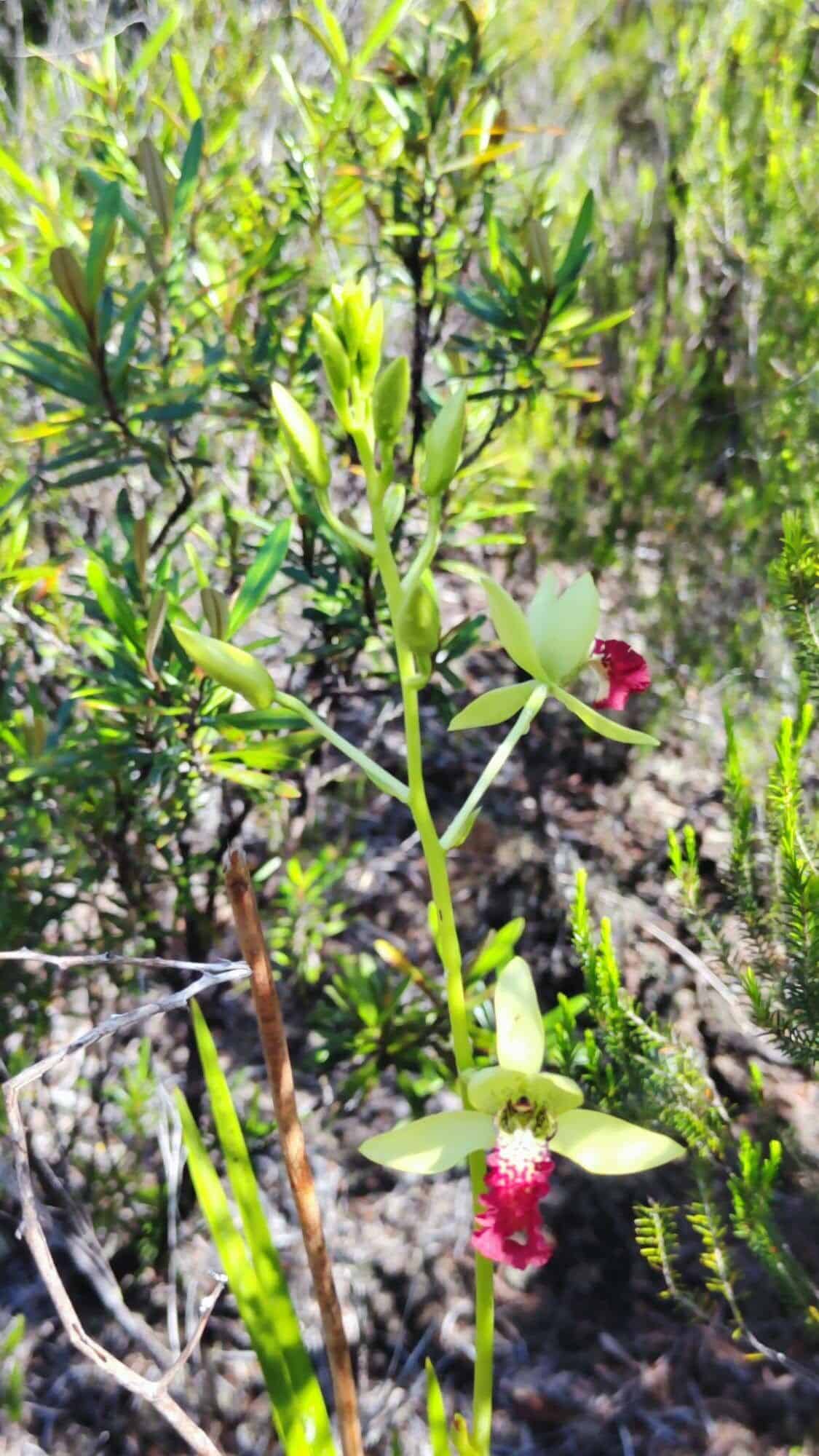
Unlocking the Secrets of Eulophia flabellata Propagation: A Guide for Earthly Explorers
The Eulophia flabellata, with its captivating, fan-like leaves and delicate blooms, holds a unique allure for plant enthusiasts. This terrestrial orchid, native to Southern Africa, is a rewarding addition to any collection, but propagating it can seem like navigating uncharted territory. Fear not, fellow plant lovers! This guide will equip you with the knowledge to successfully multiply your Eulophia flabellata and share its beauty.
Decoding the Propagation Puzzle:
Eulophia flabellata can be propagated through two primary methods: division and seeds. Each technique presents its own set of advantages and challenges, catering to different levels of experience.
1. The Art of Division:
Division, as the name suggests, involves separating a mature plant into multiple smaller plants. This method is generally preferred by beginners due to its relatively higher success rate and faster results.
Here’s how to divide your Eulophia flabellata:
- Timing is Key: The ideal time for division is during the plant’s active growth period, typically spring or early summer. Look for signs like new growth emerging from the base.
- Gentle Separation: Carefully remove the plant from its pot, gently loosening the soil around the roots. Using clean, sharp shears or a knife, divide the rhizome (the horizontal stem) into sections, ensuring each section has at least 2-3 healthy pseudobulbs (the swollen, bulb-like structures on the rhizome).
- Potting the Divisions: Plant each division in a well-draining orchid mix, ensuring the pseudobulbs are partially exposed above the soil line. Water sparingly until new growth emerges, signaling successful establishment.
2. The Patience of Seeds:
Propagating Eulophia flabellata from seeds is a more challenging endeavor, best suited for experienced growers seeking a rewarding challenge.
Here’s a glimpse into the world of orchid seed propagation:
- The Need for Symbiosis: Orchid seeds are incredibly small and lack the endosperm (food storage) found in most other seeds. They require a symbiotic relationship with specific mycorrhizal fungi to germinate and grow.
- Sterile Conditions are Crucial: Due to their susceptibility to contamination, orchid seeds are typically sown in sterile environments, like flasks or jars containing a specialized nutrient-rich agar medium.
- A Test of Patience: Germination and development can take several months to years, demanding meticulous care and observation.
Factors Influencing Propagation Success:
Regardless of your chosen method, several factors can influence the success of your Eulophia flabellata propagation journey:
- Healthy Parent Plant: A vigorous, disease-free parent plant provides a strong foundation for successful propagation.
- Appropriate Growing Conditions: Ensure your plants receive adequate light, humidity, and airflow, mimicking their natural habitat.
- Patience and Observation: Propagation requires patience and careful observation. Monitor your plants’ progress and adjust your care routine as needed.
Embracing the Journey:
Propagating Eulophia flabellata is a journey filled with learning and discovery. While success isn’t always guaranteed, the experience itself is enriching, deepening your connection with this captivating orchid. So, embrace the challenge, arm yourself with knowledge, and embark on your own propagation adventure—you might just discover a hidden green thumb you never knew you had!