
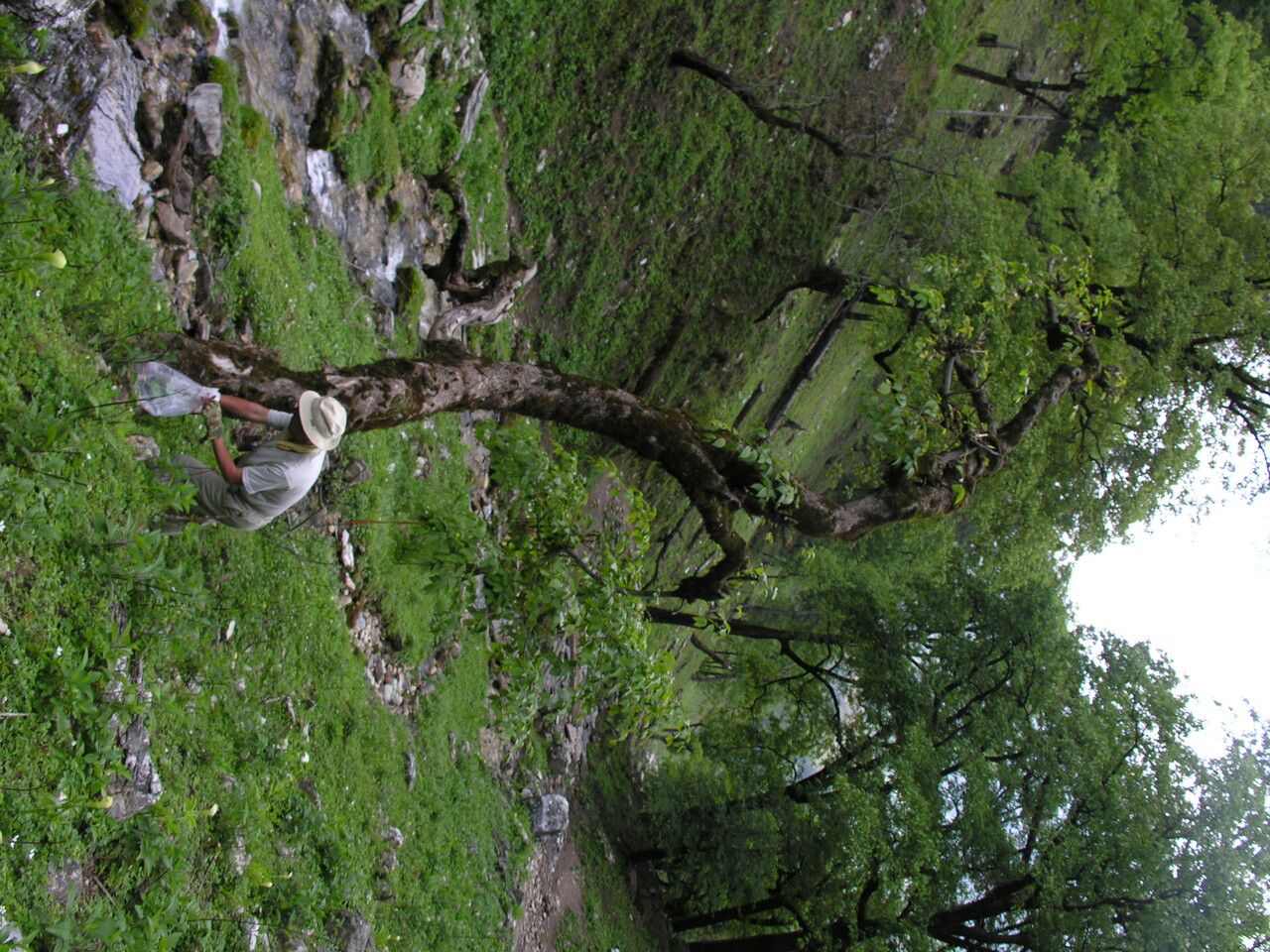
Propagating the Fringed Spindle: A Guide to Euonymus fimbriatus
Introduction:
Euonymus fimbriatus, commonly known as the fringed spindle or winged spindle, is a captivating shrub prized for its delicate, fringed leaves and vibrant autumnal coloration. Its unique foliage, ranging from deep green to reddish hues, and its relatively compact size make it a desirable addition to gardens, particularly in woodland settings or as part of a mixed border. While readily available commercially, propagating Euonymus fimbriatus can be a rewarding, albeit challenging, undertaking for the dedicated gardener. The unique challenges involved make its successful propagation particularly satisfying.
Seed Germination:
Currently, there are no known reliable methods for seed germination propagation of Euonymus fimbriatus. While the plant produces seeds, their germination rate is notoriously low, and significant dormancy periods likely hinder successful sprouting. Further research is needed to identify specific stratification or pre-treatment techniques that might improve germination success.
Cuttings:
Cuttings represent a more viable method for propagating Euonymus fimbriatus.
Challenges: Rooting cuttings can be slow and unreliable. The success rate greatly depends on timing, environmental conditions, and the application of rooting hormones. Hardwood cuttings taken in late autumn or winter generally yield better results than softwood cuttings.
Practical Tips: Take 4-6 inch long cuttings from mature, non-flowering stems in late autumn. Remove lower leaves and treat the cut ends with a rooting hormone. Plant the cuttings in a well-draining rooting medium such as a mix of perlite and peat moss. Maintain high humidity levels using a propagator or plastic bag. Place in a bright location but out of direct sunlight. Consistent moisture is crucial; keep the medium moist but not waterlogged.
Rewards: Successfully rooted cuttings provide genetically identical plants, ensuring the preservation of desirable traits. It’s a relatively easy method once mastered compared to other propagation methods.
Division:
Division is generally not a practical method for propagating Euonymus fimbriatus. The shrub’s root system is not easily divided, and separating it can severely damage the parent plant without producing viable offspring.
Tissue Culture:
Tissue culture offers the potential for large-scale propagation of Euonymus fimbriatus.
Challenges: Tissue culture requires specialized equipment, sterile conditions, and expertise in plant tissue culture techniques. It can be costly and time-consuming. Developing a reliable protocol for Euonymus fimbriatus would require significant research and experimentation.
Practical Tips: This method requires specialized laboratory equipment and knowledge. Sterilization is paramount to prevent contamination. Appropriate culture media containing hormones and nutrients are essential for successful shoot proliferation and root development.
Rewards: Tissue culture overcomes the limitations of other methods, allowing rapid and large-scale propagation of genetically identical plants. This becomes particularly vital for rare cultivars or when a large number of plants are needed.
Conclusion:
Propagating Euonymus fimbriatus presents unique challenges across different methods. Seed germination remains unreliable, division is impractical, and while cuttings offer a relatively accessible approach, success isn’t guaranteed. Tissue culture offers the potential for high-volume propagation, but requires specialized skills and resources. The perceived difficulty, however, only heightens the satisfaction of successfully cultivating these beautiful plants from cuttings. The patience and attention to detail required ultimately reward the propagator with a thriving specimen, a testament to their horticultural skill and dedication. For aspiring propagators, we encourage persistence, experimentation, and the meticulous application of the techniques described above. The journey, even with its challenges, is a deeply rewarding one.