
Propagating Eupatorium chinense: A Guide to Cultivating the Thoroughwort
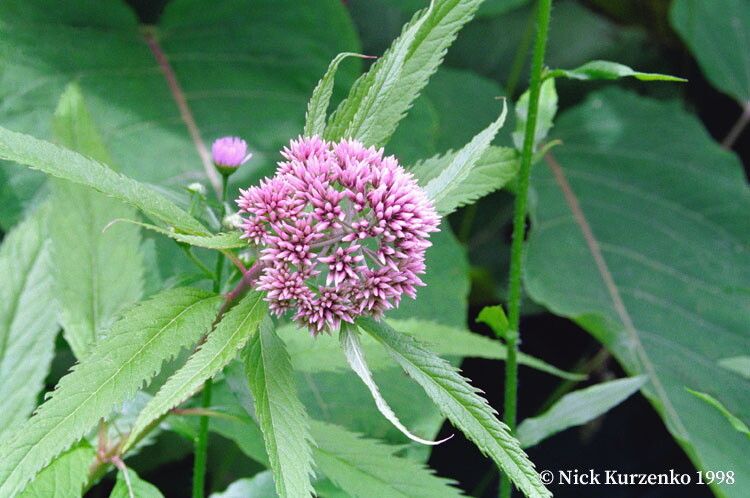
Eupatorium chinense, commonly known as Chinese thoroughwort or boneset, is a captivating herbaceous perennial prized for its delicate, often fragrant, flowers and medicinal properties. Its feathery blooms, typically appearing in shades of white or pale purple, attract pollinators and add a graceful touch to gardens. This plant, while relatively easy to maintain once established, presents unique challenges when it comes to propagation. Its popularity amongst herbalists and gardeners alike makes mastering its propagation all the more rewarding.
Seed Germination:
Currently, there are no known reliable methods for seed germination propagation of Eupatorium chinense. While the plant does produce seeds, their germination rate is notoriously low, and success is largely unpredictable. This is likely due to a combination of factors, including dormancy mechanisms within the seeds and specific environmental requirements not yet fully understood. Therefore, focusing on vegetative propagation methods is far more practical and fruitful for most gardeners.
Cuttings:
Cuttings offer a relatively reliable method for propagating Eupatorium chinense.
Challenges: Success depends on timing and technique. Taking cuttings too early or late in the growing season, or using inappropriate rooting medium, will reduce success rates.
Practical Tips: Take semi-hardwood cuttings (partially mature stems) in late spring or early summer. Use a sharp knife or shears to make clean cuts, removing lower leaves to prevent rot. Dip the cuttings in rooting hormone and plant them in a well-draining propagation mix (e.g., perlite and vermiculite). Maintain high humidity (using a plastic bag or humidity dome) and consistent moisture without overwatering.
Rewards: This method allows for the quick and relatively easy replication of desirable traits from a parent plant, maintaining genetic consistency across propagated individuals.
Division:
Division is a simple and effective method for multiplying Eupatorium chinense.
Challenges: This method is best suited for established plants that have formed sufficient root clumps. Dividing plants too early can compromise their health.
Practical Tips: Divide the plant in early spring or late autumn when the plant is dormant or just beginning to actively grow. Carefully dig up the mature plant and gently separate the root clumps, ensuring each division has healthy roots and shoots. Replant the divisions in well-prepared soil, spacing them appropriately.
Rewards: Division is a rapid method, resulting in multiple plants quickly. It is less technically demanding than other methods and generally results in a high success rate.
Tissue Culture:
Tissue culture offers the potential for large-scale propagation of Eupatorium chinense, especially for preserving genetic diversity or producing large quantities of uniform plants for commercial purposes.
Challenges: This method requires specialized equipment, sterile conditions, and a knowledge of plant tissue culture techniques. It is considerably more complex and expensive than other propagation methods.
Practical Tips: This method should only be undertaken by those with experience in plant tissue culture. Sterile techniques are crucial to prevent contamination. Successful propagation usually involves using meristematic tissue (actively growing tips of stems or roots), and suitable growth media and hormones are necessary to stimulate shoot and root development.
Rewards: Tissue culture permits mass propagation, eliminating many of the limitations of other methods. It’s invaluable for the conservation of rare or threatened varieties.
Conclusion:
Propagating Eupatorium chinense presents unique hurdles, varying across different methods. Seed germination proves unreliable, while cuttings, division, and tissue culture each present different levels of complexity and resource requirements. Though readily available, the success of cuttings and division hinges on mastering the techniques and timing. Tissue culture, the most advanced method, presents a higher barrier to entry. Despite these challenges, the reward – the successful cultivation of this beautiful and potentially medicinally valuable plant – is deeply satisfying. The journey, encompassing preparation, patience, and attention to detail, enriches the experience far beyond simply acquiring the plant. Begin with the simpler methods of cuttings or division, steadily building your horticultural skills and eventually exploring tissue culture if your ambition and resources permit. The unique satisfaction gained in expertly propagating Eupatorium chinense underscores the profound connection between gardener and plant.