
Boneset Bounty: Multiply Your Eupatorium Perfoliatum with These Propagation Techniques
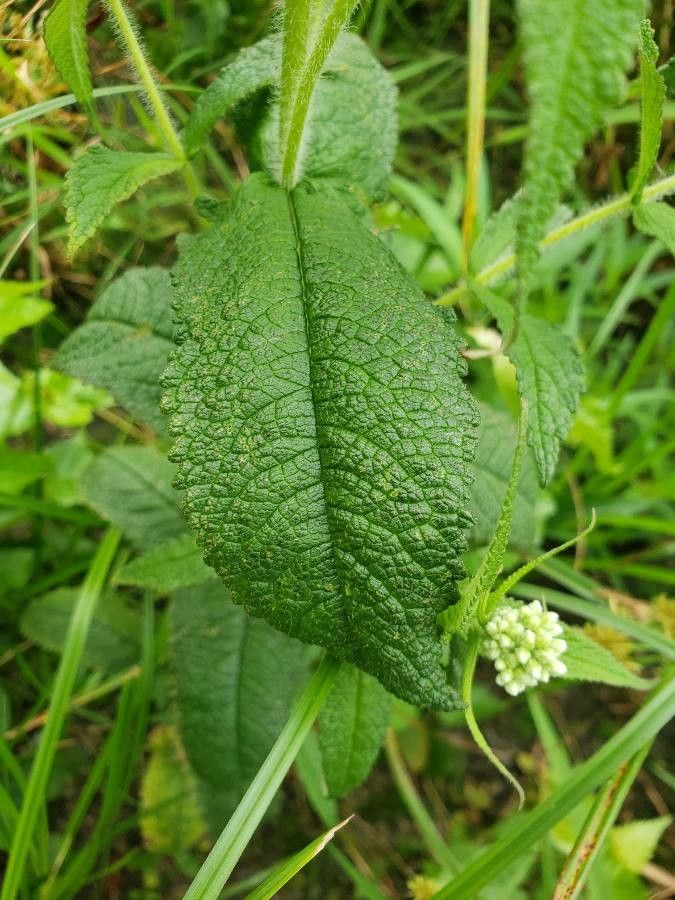
Eupatorium perfoliatum, better known as boneset or thoroughwort, is a fascinating plant with a rich history in herbal medicine. This North American native, with its fuzzy leaves and clustered white blooms, is an attractive addition to any garden seeking to attract pollinators and enhance biodiversity. Whether you’re a seasoned gardener or just starting, you might be wondering how to multiply your boneset bounty. Luckily, propagating Eupatorium perfoliatum is surprisingly easy, and this guide will walk you through the most effective methods.
Three Ways to Multiply Your Boneset
1. The Power of Division:
Division is the most straightforward and successful way to propagate boneset. It’s best undertaken in early spring or fall when the plant is dormant.
- Dig It Up: Carefully dig up a mature clump of boneset, ensuring you get a good root system.
- Divide and Conquer: Using a sharp, clean spade or garden knife, slice the clump into smaller sections. Each section should have a healthy chunk of roots and several stems.
- Replant and Rejoice: Replant the divisions in their desired locations, ensuring the crown of each plant is level with the soil surface. Water thoroughly and keep the soil consistently moist until the divisions are established.
2. Seeding the Future:
While not as common as division, growing boneset from seed is possible and rewarding.
- Harvesting Hope: Collect ripe seeds from dried flower heads in late summer or fall.
- Cold Stratification: Boneset seeds benefit from a period of cold, moist stratification to enhance germination. Store seeds in a moist paper towel in the refrigerator for 4-6 weeks before sowing.
- Sowing the Seeds: In spring, sow the seeds in a seed-starting mix, barely covering them with soil. Provide warmth and moisture, and be patient – germination can take a few weeks.
- Transplanting Time: Once seedlings are large enough to handle, transplant them to individual pots or directly into the garden after the last frost.
3. Taking the Cuttings Route:
Basal cuttings, taken in early spring, offer another excellent propagation method.
- Selecting the Stem: Choose a healthy, non-flowering stem emerging from the base of the plant.
- Making the Cut: Using a clean, sharp knife, make a cut just below a leaf node.
- Preparing the Cutting: Remove the lower leaves, leaving 2-3 pairs at the top. Dip the cut end in rooting hormone (optional but helpful).
- Planting and Patience: Plant the cutting in a moist, well-draining potting mix. Keep it consistently moist and in a warm, bright location. Roots should develop within a few weeks.
Nurturing Your New Boneset Plants
No matter your chosen propagation method, ensuring your new boneset plants thrive is crucial. Choose a location with full sun to partial shade and moist, well-draining soil. Water regularly, especially during dry periods, and mulch around the base to retain moisture. Boneset is generally pest and disease-free and requires minimal fertilization.
Propagating Eupatorium perfoliatum is a rewarding experience that allows you to multiply this beneficial plant easily. Whether you choose division, seeds, or cuttings, follow these tips and enjoy the bounty of your flourishing boneset for years to come.