
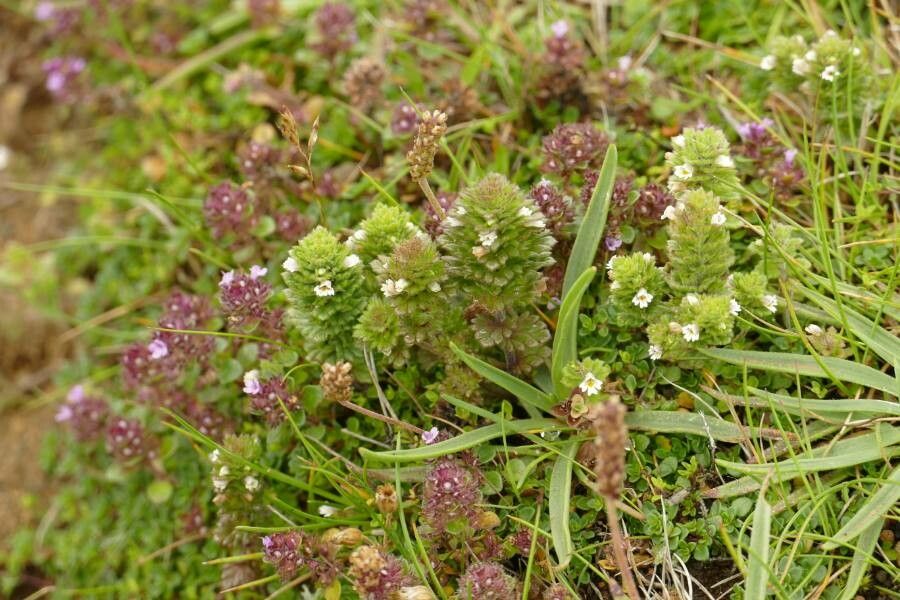
From Seeds to Success: Unveiling the Secrets of Growing Euphrasia frigida
The world of plants is filled with fascinating species, and Euphrasia frigida, a captivating wildflower, is no exception. With its delicate beauty and unique growth habits, it’s no wonder gardeners are increasingly drawn to this little gem. But if you’re hoping to grow Euphrasia frigida in your own garden, understanding its propagation methods is key.
A Look at Euphrasia frigida
Euphrasia frigida, commonly known as the “frost eyebright,” is a delightful annual or biennial plant native to alpine regions. Its small, white or pale lilac flowers with a yellow throat bloom during the summer months, adding a touch of charm to meadows and rocky slopes. While it can be found in the wild, cultivation offers the opportunity to enjoy its delicate beauty closer to home.
Propagation: A Guide to Growing Euphrasia frigida
The most common and successful method for propagating Euphrasia frigida is seed propagation. This method harnesses the plant’s natural ability to reproduce from seeds, allowing you to cultivate new plants from scratch.
Seed Collection & Storage
- Timing is Key: The ideal time to collect Euphrasia frigida seeds is after the flowers have withered and the seedpods have fully matured. The seedpods will turn brown and dry, signaling they are ready for collection.
- Gently Harvest: Carefully gather the seedpods, ensuring they remain intact. Place them in a paper bag or envelope to dry further in a cool, dark location.
- Storing Seeds: Once dry, carefully extract the seeds from the pods. Store them in an airtight container in a cool, dry place, away from direct sunlight. Seeds can remain viable for several years if properly stored.
Sowing Euphrasia frigida Seeds
- Prepare the Soil: Choose a well-drained soil mix rich in organic matter. Euphrasia frigida prefers a slightly acidic soil pH. The ideal time for sowing is in the early spring or autumn.
- Direct Sowing: Euphrasia frigida seeds are best sown directly outdoors. Sow them thinly on the surface of the soil and lightly cover them with a thin layer of fine sand or peat moss.
- Watering & Germination: Keep the soil moist but not waterlogged. Seeds generally germinate within 2-4 weeks, depending on the temperature and weather conditions.
- Thinning: Once seedlings have emerged, thin them out to ensure adequate spacing for growth. Leave approximately 6-8 inches between each plant.
Important Considerations:
- Light Requirements: Euphrasia frigida prefers partial shade to full sun.
- Soil Moisture: While the plant prefers moist conditions, it is not tolerant of waterlogging. Ensure proper drainage to avoid root rot.
- Pollination: Euphrasia frigida is typically pollinated by insects. It is wise to plant it near other insect-friendly flowering plants to encourage cross-pollination.
Growing Euphrasia frigida from seed offers a rewarding experience for gardeners of all levels. With patience and careful attention, you can enjoy the beauty of this delicate wildflower in your own garden, adding a touch of alpine charm to your surroundings.