
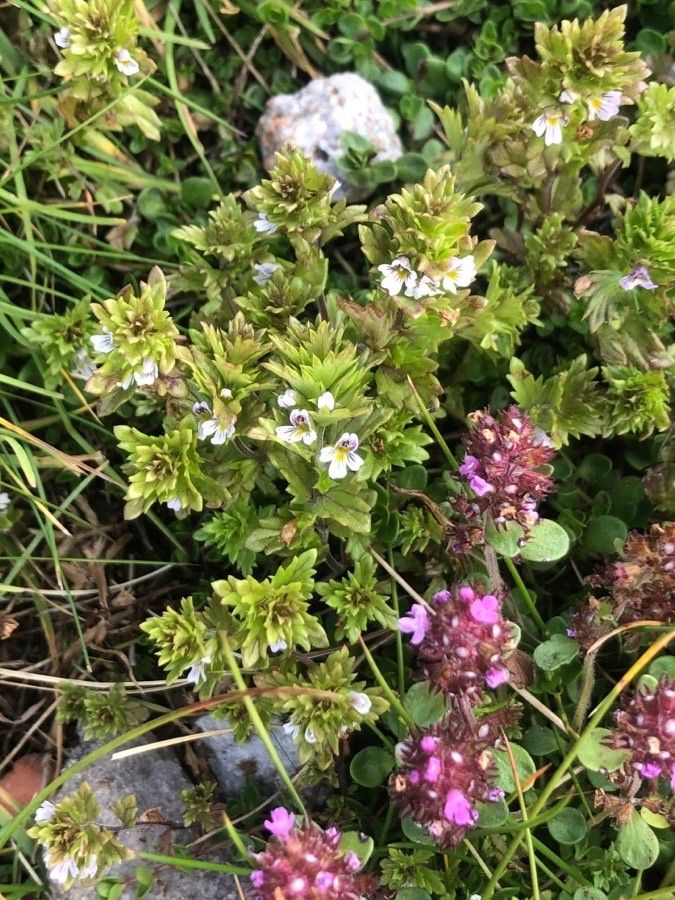
From Tiny Seeds to Thriving Blooms: Propagating Euphrasia hirtella
Euphrasia hirtella, a delicate, flowering plant with a charmingly unassuming appearance, captivates gardeners with its subtle beauty and unique ecological role. While often overlooked, this member of the eyebright family holds a special place in the world of plant propagation. But unlike many plants, Euphrasia hirtella presents a unique challenge: it doesn’t readily lend itself to the usual methods. So, how do you bring this intriguing species into your garden? Let’s explore the intricacies of propagating Euphrasia hirtella and discover the secrets to its successful cultivation.
The Challenges of Propagation
Euphrasia hirtella, a hemiparasite, relies on other plants for some of its nutrients. This dependence makes it a difficult species to cultivate and propagate. Traditional methods like cuttings and division often fail due to its parasitic nature. Therefore, the best strategy for propagating Euphrasia hirtella lies in mastering the art of seed propagation.
The Seed Sowing Technique
Collecting Seeds: The first step is to collect ripe seeds. These are tiny and are found in the tiny capsules that form after the flowers fade. Collecting seeds directly from the wild is discouraged, as this can disrupt the natural populations. It’s recommended to purchase seeds from reputable sources that specialize in native plant propagation.
Start Early: Euphrasia hirtella seeds need a period of cold stratification to germinate successfully. Begin the process by sowing the seeds in a shallow tray filled with a well-draining mix. Ensure the seeds are gently pressed into the soil surface, not buried.
Cold Treatment: Place the tray in a refrigerator for a minimum of four weeks. This cold treatment mimics the natural conditions experienced by Euphrasia hirtella seeds during winter.
Light and Warmth: After the cold stratification period, transfer the sown tray to a bright, well-lit location, but avoid direct sunlight. Maintain a warm temperature, around 68-72°F (20-22°C), to encourage germination.
- Patience is Key: Euphrasia hirtella seeds are notoriously slow to germinate. Be patient; it can take several weeks or even months for seedlings to emerge. Keep the soil moist but not waterlogged.
The Right Environment for Success
Once the seedlings have emerged, you’ll need to provide them with the specific conditions they need to thrive.
Soil and Sunlight: Choose a location with well-draining soil, preferably sandy loam. Euphrasia hirtella prefers partial shade, with dappled sunlight filtering through trees or shrubs.
Host Plants: Knowing its parasitic nature, choose a host plant that won’t be harmed. Grass, other wild herbs, or cultivated plants like clover or yarrow, are suitable options.
- Moisture and Maintenance: Keep the soil consistently moist, especially during dry periods. Avoid overwatering and allow the soil to dry slightly between waterings. Thin out seedlings if they become overcrowded, leaving space for them to grow.
Beyond Propagation: Understanding the Role of Euphrasia hirtella
Euphrasia hirtella plays an important role in maintaining ecological balance. It acts as a natural pest control agent, helping to suppress certain weeds and harmful insects. Its ability to extract nutrients from surrounding host plants makes it a fascinating and valuable specimen for naturalistic gardens and meadows.
Propagating Euphrasia hirtella successfully requires dedication, understanding, and a keen eye for detail. But with patience and the right approach, you can bring the beauty and ecological significance of this unique plant into your own garden, contributing to the flourishing of local biodiversity.