
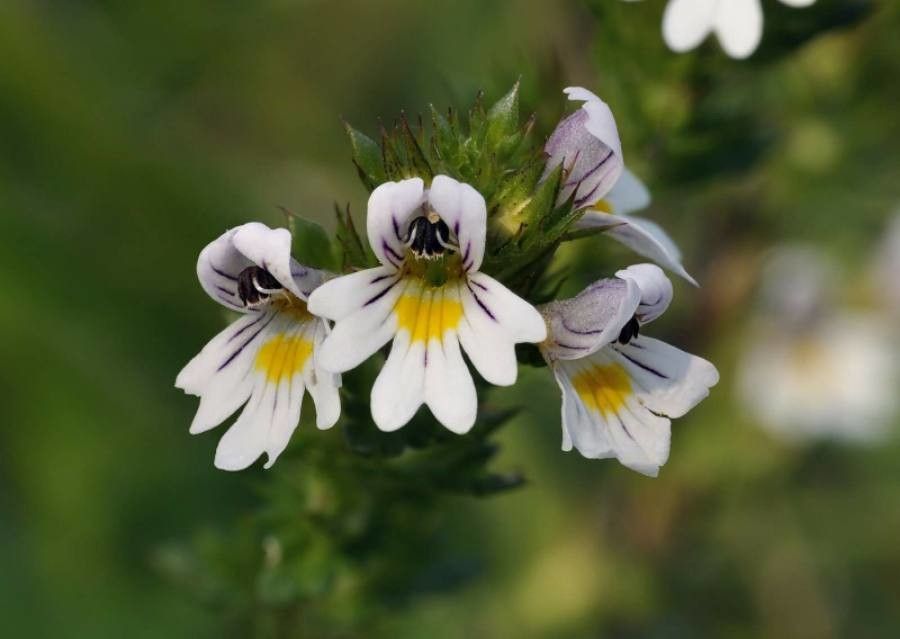
Taming the Wild Beauty: Propagating Euphrasia nemorosa
Euphrasia nemorosa, more affectionately known as Eyebright, is a charming wildflower known for its delicate blooms and fascinating traditional uses in herbal medicine. Its dainty flowers, resembling tiny, colorful eyes, add a touch of whimsical charm to gardens and wild spaces alike. But this delicate beauty can be a bit of a challenge to cultivate.
If you’re captivated by Eyebright and dream of welcoming it into your own green space, understanding its propagation techniques is key. Here’s a guide to help you successfully bring the magic of Euphrasia nemorosa to your garden.
Understanding Euphrasia nemorosa: A Semi-Parasitic Plant
Before we delve into propagation, it’s crucial to understand what makes Eyebright unique. This fascinating plant is a hemiparasite, meaning it obtains some of its nutrients from the roots of nearby plants, particularly grasses. This symbiotic relationship, while fascinating, adds a layer of complexity to cultivation.
Sowing the Seeds:
Eyebright is primarily propagated through seeds. Here’s how to do it:
- Timing is Key: The ideal time to sow Eyebright seeds is in the fall, allowing them to experience the natural cold stratification process over the winter months.
- Preparing the Soil: Eyebright thrives in well-drained, slightly acidic soil. Incorporating organic matter can be beneficial.
- Sowing the Seeds: Scatter the seeds directly onto the soil surface, as they require light to germinate. Gently press them into the soil, but avoid burying them too deeply.
- Patience is a Virtue: Eyebright seeds can be slow to germinate, often taking several weeks or even months.
Cultivating Eyebright with Companion Plants:
Given its semi-parasitic nature, growing Eyebright successfully hinges on providing suitable companion plants. Grasses are ideal companions, as they act as hosts, providing essential nutrients. Consider planting Eyebright alongside ornamental grasses like Festuca glauca or Deschampsia cespitosa.
Providing the Ideal Growing Conditions:
- Sunlight: Eyebright thrives in sunny locations but can tolerate partial shade.
- Moisture: While Eyebright prefers moist soil, it’s important to ensure good drainage to prevent root rot.
- Fertilization: Thanks to its semi-parasitic lifestyle, Eyebright generally doesn’t require heavy fertilization. However, enriching the soil with compost before planting can be beneficial.
Alternative Propagation Methods:
- Division: While less common, mature clumps of Eyebright can be divided in the spring or fall. This method, however, can be challenging due to the plant’s delicate root system.
Bringing the Magic of Eyebright to Your Garden:
Propagating Euphrasia nemorosa may require patience and a touch of green-thumb magic. By understanding its unique nature and providing the right growing conditions, you can successfully cultivate this charming wildflower, welcoming its delicate beauty and the whispered stories of its traditional uses into your own green space.