
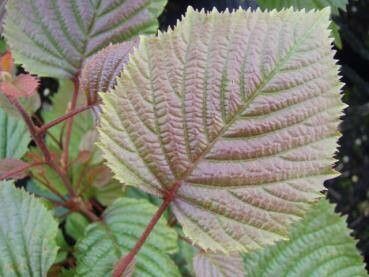
Unlocking the Mystery of Propagating the Chinese Windflower Tree (Euptelea pleiosperma)
The Chinese Windflower tree (Euptelea pleiosperma), with its charmingly delicate flowers and vibrant autumn foliage, is a sight to behold. This East Asian native, often overlooked, has much to offer landscapers and tree enthusiasts searching for that unique specimen tree. However, propagating Euptelea pleiosperma can seem shrouded in mystery. Fear not, fellow plant aficionados, for we’re about to demystify the process!
Seeds: A Journey of Patience and Reward
The most common, and arguably most rewarding, method for propagating Euptelea pleiosperma is through seeds. Patience is key here, as the process requires a touch of horticultural finesse and an understanding of the tree’s natural rhythms.
Step-by-Step Seed Propagation:
- Seed Collection: Collect seeds in the fall when the small, winged fruits mature and turn brown.
- Cold Stratification: Mimic nature’s way by cold stratifying the seeds. Store them in a moist medium like vermiculite or sand, sealed in a plastic bag, and place them in your refrigerator (around 40°F) for 60-90 days. This chilling period simulates winter and triggers the germination process.
- Sowing Time: In early spring, after the last frost, sow the stratified seeds in seed trays or pots filled with well-draining seed-starting mix. Just press them lightly into the surface, as they need light to germinate.
- Warmth and Moisture: Provide a consistent temperature of around 70°F and keep the soil consistently moist but not waterlogged.
- Germination Patience: This is where patience truly comes into play. Germination can be slow and erratic, taking anywhere from a few weeks to a few months.
- Transplanting: Once seedlings develop a couple of sets of true leaves, they can be carefully transplanted into individual pots.
Beyond Seeds: Exploring Cuttings
While not as widely practiced, propagating Euptelea pleiosperma from cuttings is possible, albeit with a slightly lower success rate compared to seeds.
Cutting Propagation Tips:
- Timing is Key: Take semi-hardwood cuttings in late summer when new growth starts to mature.
- Choosing the Right Stem: Select healthy, non-flowering stems and make a clean cut just below a leaf node.
- Hormone Boost: Dip the cut end in rooting hormone to encourage root development.
- Creating a Cozy Environment: Plant the cuttings in a well-draining potting mix and cover them with a plastic bag or humidity dome to maintain moisture.
- Patience and Observation: It can take several weeks for roots to develop. Watch for new growth, a sign that your cuttings have successfully rooted.
Nurturing Your Chinese Windflower Saplings
Whether you’ve chosen the path of seeds or cuttings, young Euptelea pleiosperma trees thrive in well-draining soil and appreciate protection from harsh sun during their first few years. Water regularly, especially during dry spells, and provide a balanced fertilizer in spring to support healthy growth.
Propagating Euptelea pleiosperma is a rewarding endeavor for patient gardeners. By understanding the tree’s natural cycles and providing the right conditions, you can successfully introduce this elegant and underappreciated species to your landscape.