
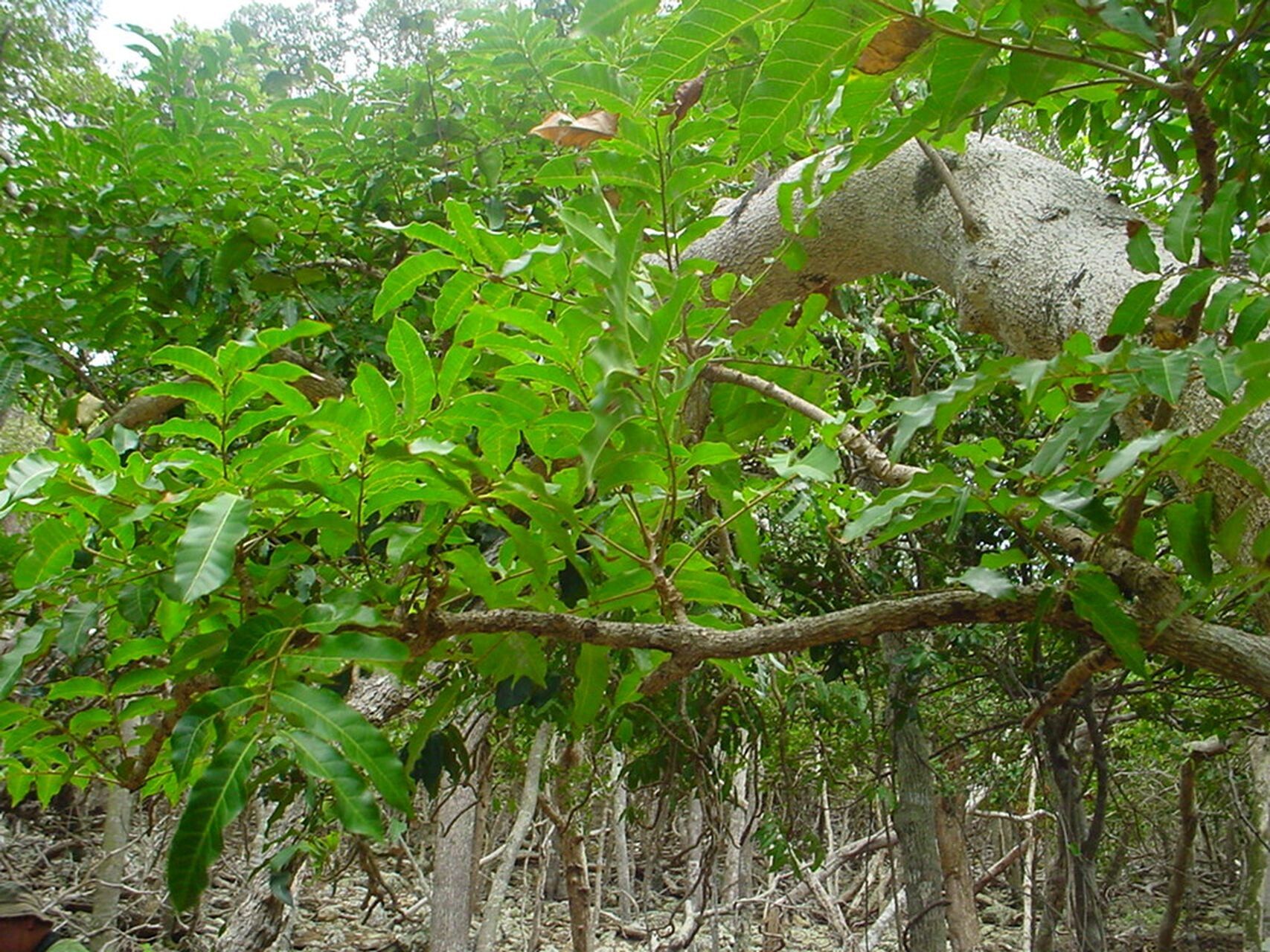
Unveiling the Mystery: How to Propagate the Resilient Euroschinus obtusifolius
The Euroschinus obtusifolius, also known as the “Pink Poplar” or “Cudgerie”, is an attractive evergreen tree native to Australia. Its glossy leaves, delicate flowers, and resilience in various conditions make it a sought-after addition to gardens. While readily available in nurseries, propagating your own Euroschinus obtusifolius can be a rewarding experience. Not known for being the easiest species to propagate, success is definitely achievable with some patience and the right techniques.
Two Paths to Propagation: Seed vs. Cuttings
There are two primary ways to propagate a Euroschinus obtusifolius:
Seed Propagation: This method is most successful when using fresh seeds, as their viability decreases over time.
- Seed Collection: Collect mature seeds from capsules on established trees during the fruiting season. Look for dry, brown capsules ready to release their seeds.
- Seed Preparation: No special pretreatment is required for the seeds. However, soaking them in water overnight can help soften the outer layer and potentially speed up germination.
- Sowing: Sow seeds individually in seed trays or pots filled with a well-draining seed raising mix. Cover lightly with soil and water gently.
- Conditions: Euroschinus obtusifolius seeds prefer warm temperatures (around 20-25°C or 68-77°F) and a humid environment. Consider using a propagator or covering the seed trays with a plastic dome to create a mini greenhouse effect.
- Germination: Germination times vary but can take anywhere from a few weeks to a couple of months. Be patient and continue to provide consistent moisture while ensuring good air circulation to prevent fungal diseases.
Cutting Propagation: While slightly more challenging than seed propagation, cuttings offer a quicker route to a mature plant and ensure the offspring will have the same desirable characteristics as the parent plant.
- Cutting Selection: Take semi-hardwood cuttings in late spring or early summer from healthy, vigorous branches. Choose stems that are about 10-15 cm (4-6 inches) long and have several leaf nodes.
- Cutting Preparation: Remove the bottom leaves from the cutting, leaving 2-3 leaves at the top. This reduces water loss through transpiration. Dip the cut end in a rooting hormone powder to encourage root development.
- Planting: Plant the cuttings in pots filled with a well-draining propagation mix, burying at least one leaf node.
- Conditions: Just like seeds, cuttings benefit from warmth and humidity. A propagator or covered tray can significantly improve the success rate.
- Rooting: It may take several weeks for the cuttings to develop roots. Check for signs of new growth, indicating successful rooting.
Nurturing Your Euroschinus obtusifolius
Once your seedlings or cuttings have developed a strong root system and show consistent growth, gradually acclimate them to outdoor conditions. Choose a sunny or partially shaded location in your garden with well-drained soil.
The Rewards of Patience
Propagating your own Euroschinus obtusifolius does require patience, but the rewards are substantial. Whether you choose to sow seeds or take cuttings, the journey of witnessing a new seedling thrive is immensely satisfying. With proper care, your propagated Euroschinus obtusifolius will grace your garden with its elegant beauty for years to come.