
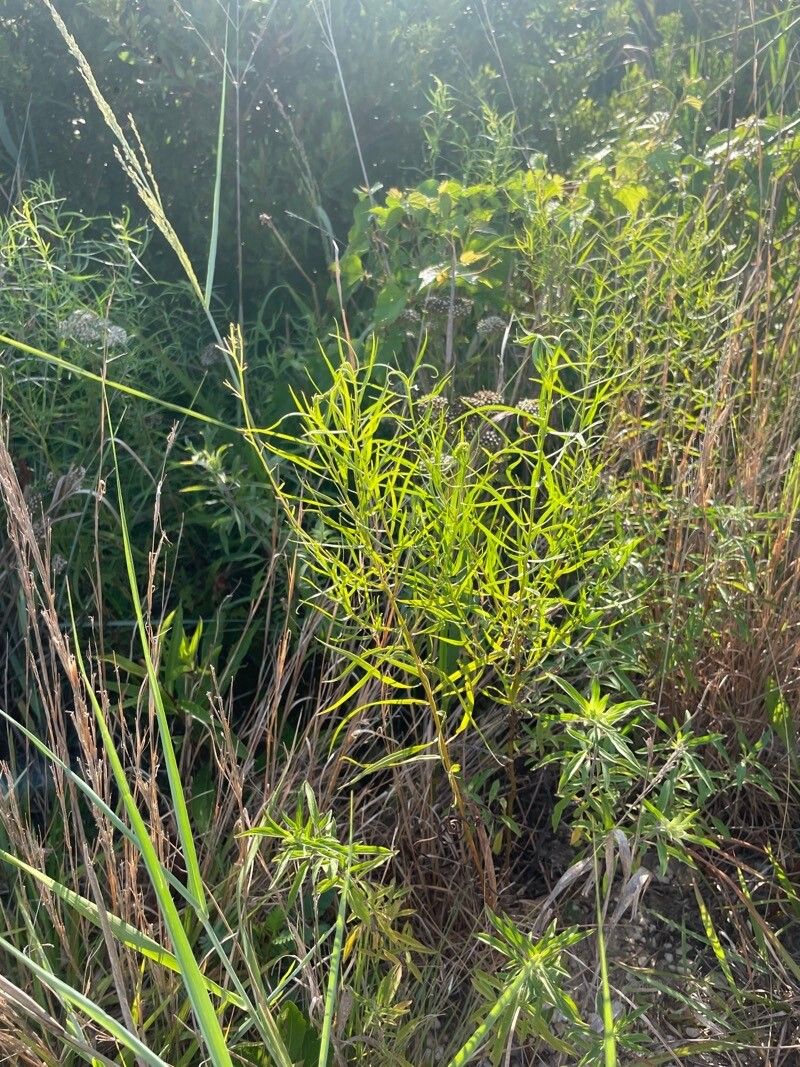
From One to Many: The Easy Guide to Propagating Goldenrod (Euthamia gymnospermoides)
Goldenrod (Euthamia gymnospermoides) is a vibrant, sun-loving wildflower that adds cheerful splashes of yellow to gardens and meadows. But did you know that you can easily grow your own goldenrod from just a few cuttings? This article will guide you through the process of propagating goldenrod through cuttings, allowing you to enjoy this delightful flower year after year.
The Magic of Cuttings
Propagation through cuttings is a fantastic way to propagate plants like goldenrod. It allows you to create new plants from a single stem, ensuring genetic uniformity and preserving unique traits. The process involves taking a portion of a healthy stem and providing it with the right conditions to develop roots.
When to Take Cuttings
The best time to take goldenrod cuttings is during the late spring or early summer, when the plant is actively growing. You’ll want to choose healthy, non-flowering stems that haven’t yet hardened.
The Cutting Technique
- Preparation: Gather a sharp, clean knife or pair of pruning shears. It’s essential to sterilize the tools between cuts to prevent the spread of diseases.
- Selection: Opt for stems that are about 4-6 inches long and have several sets of leaves. Cut the stem just below a node (the point where leaves or branches grow).
- Removal: Pinch off the leaves from the bottom inch of the stem. These leaves are below the soil line and will rot.
- Root Hormone: Dip the cut ends of the stems into rooting hormone powder. This encourages rapid root development.
- Planting: Prepare a pot with a well-draining potting mix. Insert the cuttings into the soil, leaving the bottom node buried and the top leaves exposed above the soil line.
- Care: Water the cuttings gently, ensuring the soil is moist but not soggy. Cover the pot with a plastic dome or bag to create a humid environment. Place the pot in a warm, bright location out of direct sunlight.
Nurturing Your New Plants
Goldenrod cuttings typically take around 4-6 weeks to develop roots. During this time, it’s crucial to maintain consistent humidity, avoiding overwatering. Periodically mist the leaves with water to prevent them from drying out.
Transplanting Time
Once your cuttings have developed roots, they’re ready for transplanting. You can either pot them individually or plant them directly in the garden in a sunny spot. Ensure the soil is well-drained and regularly water your new goldenrod plants.
Beyond Propagation
While cuttings are a common propagation method for goldenrod, they can also be propagated through division. This involves separating a mature plant into several smaller plants, each with its own root system.
Enjoy the Beauty
Goldenrod’s vibrant yellow blooms attract pollinators and add a cheerful touch to any garden. By using the propagation methods outlined above, you can easily cultivate a beautiful stand of goldenrod, enjoying its radiant presence for years to come.