
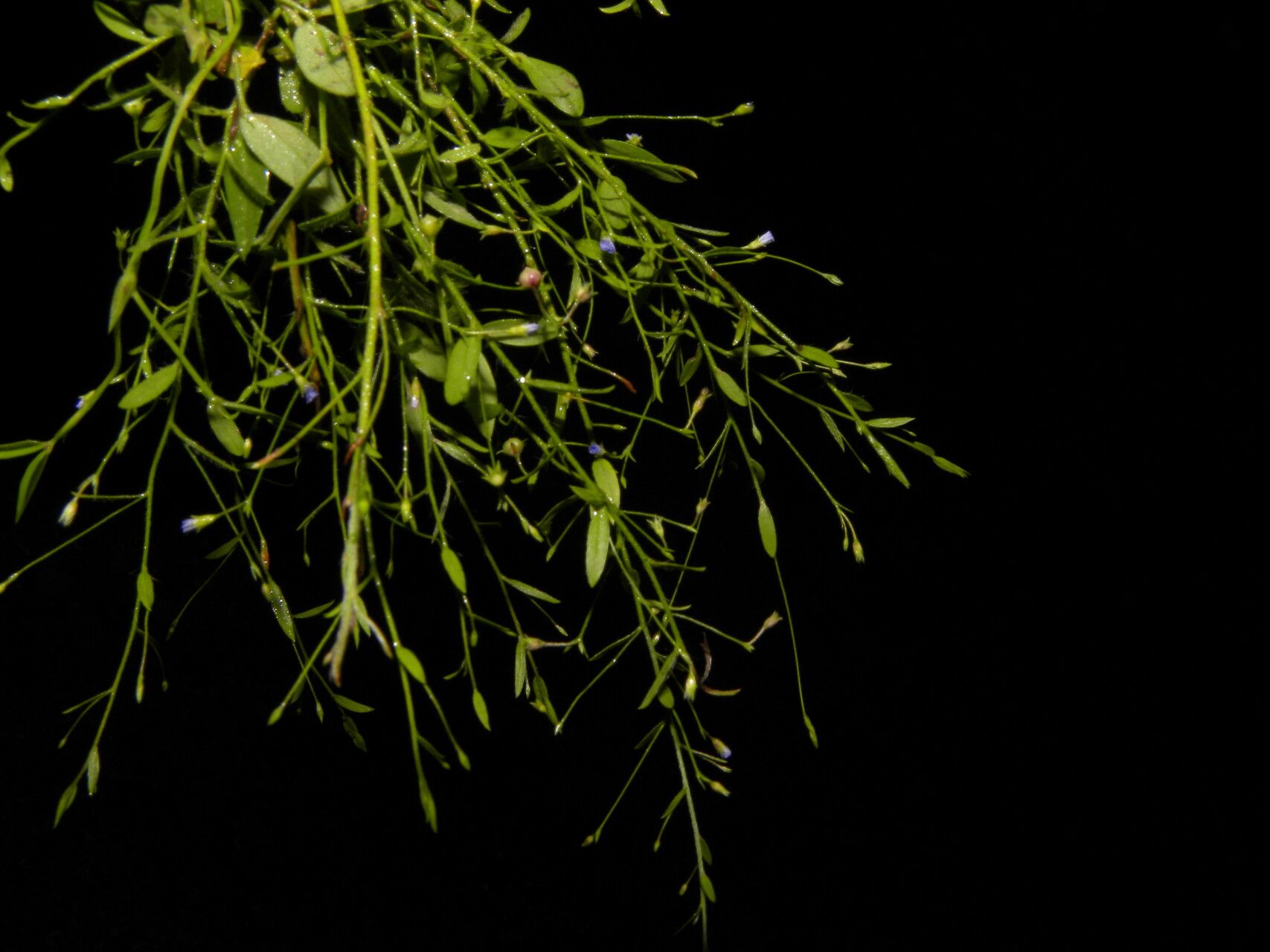
Evolvulus Filipes: The Easy-Peasy Way to Grow More of This Charming Creeper
Evolvulus filipes, also known as the “Blue Daisies” or “Dwarf Morning Glory,” is a favorite among gardeners for its vibrant blue flowers and trailing habit. But did you know that this lovely groundcover is also incredibly easy to propagate?
Whether you want to fill your garden with more of these charming creepers or simply want to share the joy with friends, propagation is the way to go. And the best part? It’s incredibly simple!
The Power of Cuttings:
The most common and successful way to propagate Evolvulus filipes is through stem cuttings. These delicate stems can be easily rooted in water or soil, and they will develop into healthy new plants in a matter of weeks.
Step-by-Step Guide to Success:
- Choose the Right Cuttings: Select healthy, non-flowering stems with at least 2-3 nodes (the bumps where leaves grow).
- Make the Cut: Using sharp, sanitized scissors, cut the stem just below a node.
- Remove Lower Leaves: To prevent rot, remove any leaves below the soil line.
- Prepare for Rooting: There are two primary methods:
- Water Propagation: Place your cuttings in a glass of water, ensuring that the nodes are submerged but not the leaves. Change the water every few days to prevent bacteria buildup.
- Soil Propagation: Fill a small pot or tray with well-draining soil. Make a small hole in the soil and insert the cutting, burying the node slightly. Gently firm the soil around the cutting.
- Provide the Right Environment: Keep the cuttings in a bright, warm location, but avoid direct sunlight.
- Patience is Key: It can take 2-4 weeks for the cuttings to develop roots. Check for root growth by gently tugging on the stem — if there’s resistance, roots are forming!
- Transplantation: Once your cuttings have developed a healthy root system, you can gently transplant them into larger pots or directly into your garden.
Pro Tips for Propagation Success:
- Timing is Crucial: The best season to propagate Evolvulus filipes is during spring or summer when the plant is actively growing.
- Hormones Help: Adding a rooting hormone to your cuttings can speed up the rooting process, especially for soil propagation.
- Misting Matters: Regularly misting your cuttings will help keep the soil moist and create a humid environment for root development.
Sharing the Beauty:
Once your cuttings have rooted successfully, you can share them with friends and fellow gardening enthusiasts. Imagine the joy of gifting someone a piece of your garden that will continue to bloom and grow, just like your love for gardening!
Evolvulus filipes: it’s not just beautiful, it’s surprisingly easy to propagate! Embrace the simplicity of this plant, and witness the magical transformation of cuttings into thriving new additions to your garden and the gardens of others.