
Taming the Native Cherry: Propagation Techniques for Exocarpos cupressiformis
The Australian landscape is home to some fascinating flora, and the Exocarpos cupressiformis, more commonly known as the Native Cherry or Cherry Ballart, is no exception. This slender, almost cypress-like tree, with its intriguing fruits and hardy nature, can be a unique and rewarding addition to your garden. But how do you go about propagating this intriguing native? Let’s delve into the world of Exocarpos cupressiformis propagation.
Understanding the Native Cherry
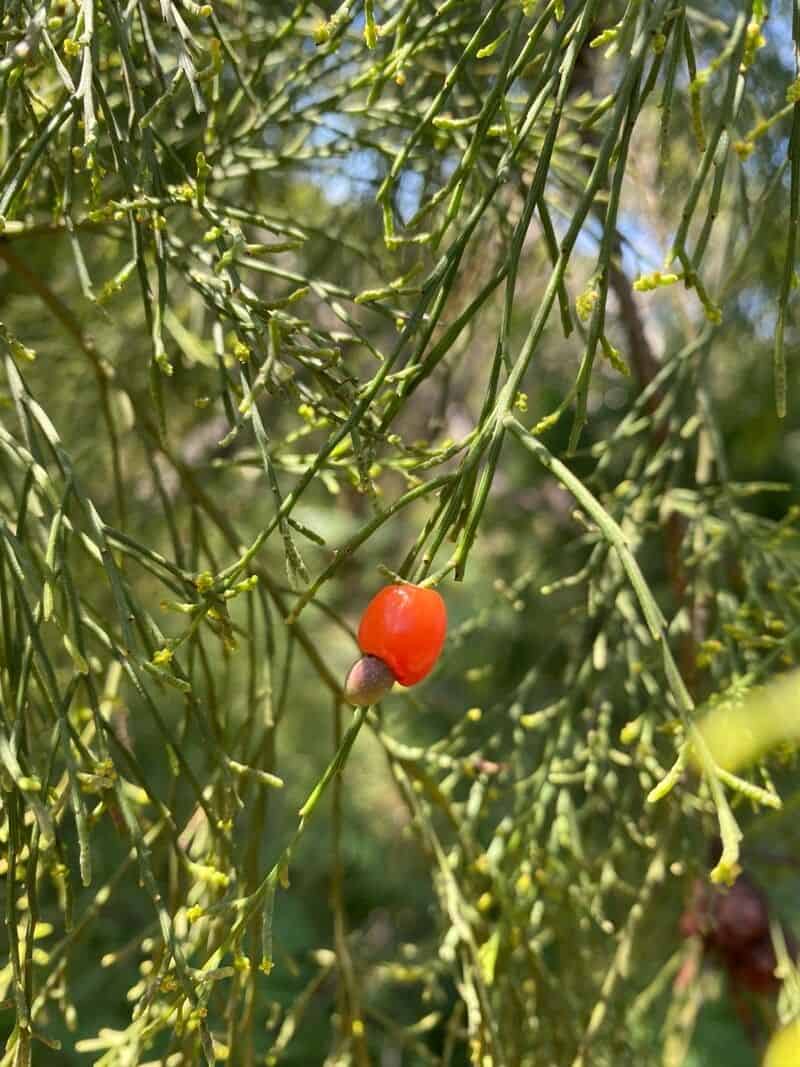
Before diving into propagation techniques, it’s beneficial to understand the plant’s biology. Exocarpos cupressiformis is not a true cherry but a member of the sandalwood family. The "fruit" is actually a swollen stalk (pedicel) that turns red and fleshy, contrasting beautifully with the hard, black nut it carries at its tip.
This species exhibits hemiparasitic behavior, meaning it derives some nutrients by forming connections with the roots of other plants. However, it is also photosynthetic and can survive independently.
Propagation: Seeds vs. Cuttings
While Exocarpos cupressiformis can be propagated through both seeds and cuttings, each method comes with its own set of challenges:
1. Seed Propagation:
- Pros: Relatively straightforward and allows for genetic diversity.
- Cons: Seed germination can be erratic and slow, often taking several months. Hemiparasitic nature makes it crucial to plant seeds near suitable host plants.
Seed Propagation Steps:
- Extract seeds: Collect ripe fruits and carefully remove the hard black nut, which houses the seed.
- Scarification: Gently nick or sand the hard seed coat to encourage water absorption and germination.
- Sowing: Sow seeds in a well-draining seed raising mix, barely covering them.
- Host Plants: Place pots near established native grasses or small shrubs to facilitate the hemiparasitic relationship.
- Patience: Be patient, as germination can take weeks to months. Keep the soil consistently moist but not waterlogged.
2. Cutting Propagation:
- Pros: Faster than seed propagation, resulting in a mature plant sooner.
- Cons: Requires more skill and specific conditions. Success rates can be variable.
Cutting Propagation Steps:
- Timing: Take cuttings in late spring or early summer from healthy, non-flowering branches.
- Preparation: Select semi-hardwood cuttings about 10-15cm long. Remove leaves from the lower third of the cutting.
- Hormone Treatment: Dip the cut end in rooting hormone powder to stimulate root development.
- Planting: Insert the cuttings into a well-draining potting mix specially formulated for cuttings.
- Environment: Place the cuttings in a warm, humid environment, such as a propagation box or under a misting system.
- Rooting: After several weeks, gently tug on the cuttings to check for root development. Once rooted, they can be transplanted into larger pots.
Nurturing Your Native Cherry
Whether you choose to grow from seed or cuttings, young Exocarpos cupressiformis require proper care:
- Well-draining soil: They thrive in well-drained soil that mimics their natural habitat.
- Sunny location: Plant in a sunny or partially shaded location.
- Moderate watering: Water regularly while establishing, but once mature, they are quite drought tolerant.
- Minimal Fertilising: Due to their hemiparasitic nature, excessive fertilization can be detrimental.
Growing Exocarpos cupressiformis can be a rewarding experience. While it requires patience and understanding of its unique needs, the sight of this graceful native thriving in your garden will be well worth the effort. So why not take on the challenge and introduce this fascinating piece of Australian bushland into your backyard?