
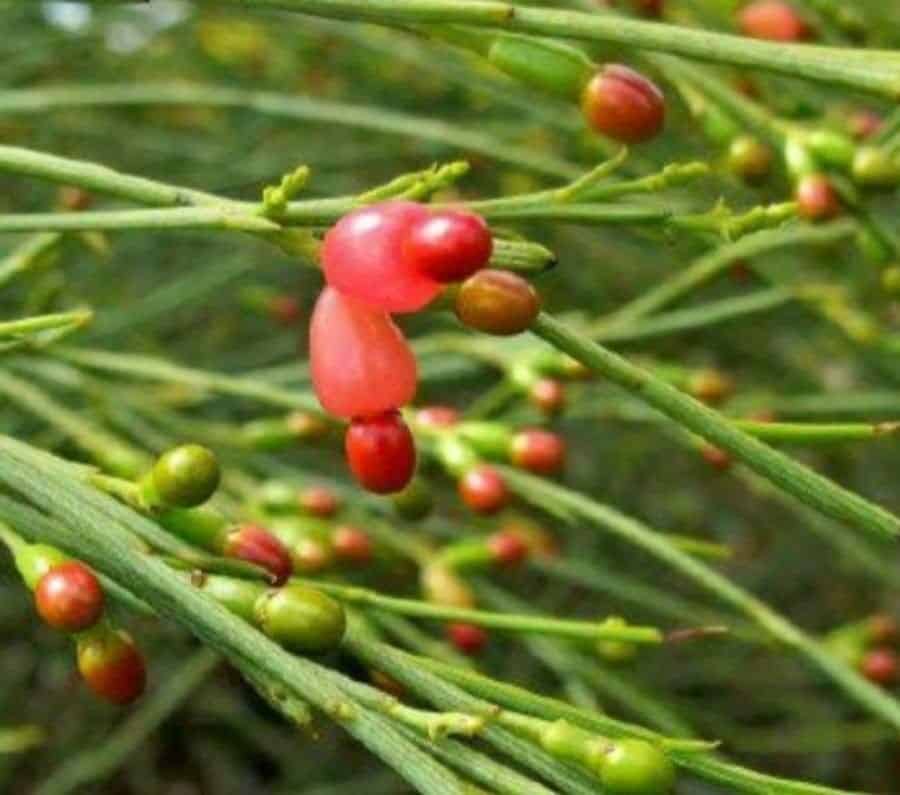
Taming the Tiny: Propagation Tips for the Dwarf Cherry (Exocarpos nanus)
The Dwarf Cherry (Exocarpos nanus), a charming Australian native, isn’t your typical fruit-bearing tree. This unassuming beauty, often mistaken for a shrub, boasts delicate foliage and the most intriguing pea-sized "cherries." While commercially elusive, the Dwarf Cherry is a rewarding botanical challenge for adventurous gardeners looking to add a touch of Aussie wilderness to their landscapes. Ready to try your hand at growing Exocarpos nanus? Let’s delve into the secrets of propagating this fascinating species.
Two Paths to Propagation: Seed vs. Cutting
1. From Seed: A Test of Patience
Propagating the Dwarf Cherry from seed is entirely possible, but be warned: patience is key. Here’s what you need to know:
- Fruit Timing: The "cherries" of the Dwarf Cherry aren’t quite what you’d expect. The colorful, fleshy part is actually a swollen stalk, while the true fruit is the small, hard nut nestled inside. Harvest these "fruits" when ripe and extract the seeds.
- Smoke to the Rescue: Bushfire smoke plays a crucial role in germinating many Australian native seeds, including Exocarpos nanus. To mimic this, you can purchase smoked vermiculite or use a smoke water solution.
- Time & Conditions: Soak the seeds in lukewarm water for 24 hours before sowing in a well-draining seed-raising mix. Keep the soil consistently moist and be patient. Germination can be erratic and take several months.
2. Taking the Shortcut: Propagation from Cuttings
For a faster and potentially more successful approach, consider propagating Exocarpos nanus from cuttings:
- Timing is Everything: The ideal time to take cuttings is during the active growing seasons—spring or early autumn.
- Choosing the Right Shoots: Select healthy, semi-hardwood cuttings from the current season’s growth. These are slightly firm but not yet woody.
- Creating the Perfect Cutting: Each cutting should be around 10-15cm long. Remove leaves from the bottom third and wound the base slightly to encourage root formation.
- Hormone Help: Dipping the base of the cutting in rooting hormone powder significantly increases the chances of successful propagation.
- Planting & Patience: Plant the cuttings in a well-draining propagation mix (like peat moss and perlite) and keep them consistently moist. It may take a few weeks for roots to develop.
Nurturing Your Dwarf Cherry
Whether you choose seed or cutting propagation, providing the right growing conditions is crucial:
- Sunlight and Soil: Exocarpos nanus thrives in full sun to part shade and well-drained soil.
- Watering: Water regularly, especially during the first year, but avoid overwatering and soggy conditions.
- Fertilizer: A light feed with a slow-release native fertilizer during spring will encourage healthy growth.
Reaping the Rewards
While the Dwarf Cherry may not offer a bounty of edible fruit, it brings a unique charm to any garden. Its delicate foliage, intricate branching, and intriguing "cherries" provide year-round interest, attracting birds and sparking curiosity. By mastering the art of propagation, you can help this captivating Australian native thrive in your own backyard.