
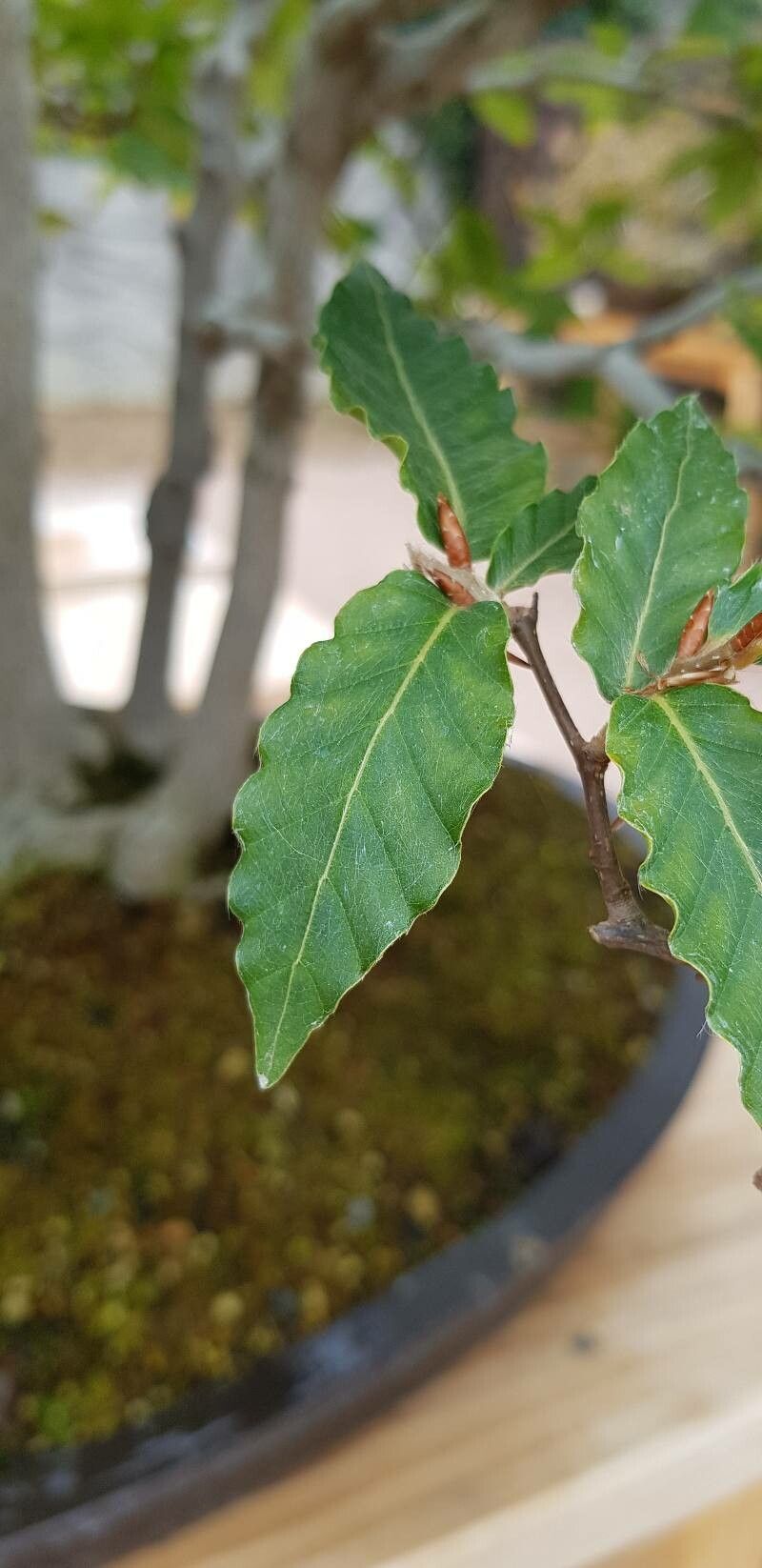
Decoding the Dance of the Japanese Beech: A Guide to Propagating Fagus crenata
The Japanese Beech (Fagus crenata) stands as a testament to nature’s artistry, its elegant, spreading canopy painting a picture of tranquility in any landscape. This majestic tree, native to the mountains of Japan, is not just a visual delight but also surprisingly accessible to propagate, even for novice gardeners. Intrigued? Let’s delve into the different methods of welcoming this graceful giant into your own backyard.
Seed Starting: A Journey of Patience and Reward
Propagating Fagus crenata from seed is an adventure in patience, offering a profound connection to the tree’s life cycle.
Seed Collection and Stratification: Begin by collecting mature seeds in autumn. These will be encased in small, prickly husks. A period of cold stratification is crucial to mimic natural winter conditions. Place the seeds in a moist medium like vermiculite or sand and store them in your refrigerator for 90-120 days.
Sowing the Seeds: As spring approaches, prepare a well-draining seed starting mix. Sow the seeds about an inch deep, ensuring the pointed end faces down.
Care and Germination: Water regularly, keeping the soil consistently moist but not waterlogged. Be patient; germination can take anywhere from a few weeks to a couple of months.
- Transplanting: Once the seedlings develop a strong root system and several true leaves, they can be transplanted to larger containers or directly into the ground. Remember to choose a location with dappled shade and well-drained, slightly acidic soil.
Grafting: The Art of Combining Strengths
For those seeking quicker results or specific cultivars, grafting offers a more controlled approach. This technique involves joining a cutting (scion) from a desired Fagus crenata cultivar onto a compatible rootstock.
Timing is Key: Grafting is best done during the dormant season, typically in late winter or early spring.
Choosing the Method: Several grafting methods are suitable for Fagus crenata, including whip grafting, cleft grafting, and bark grafting. The chosen method often depends on the diameter of the scion and rootstock.
- Aftercare: Securing the graft union with grafting tape and providing consistent moisture are critical for success. Protect the newly grafted plant from direct sunlight and extreme temperatures.
Beyond Seed and Scion: Exploring Other Avenues
While less common, cuttings and air layering can also be employed to propagate Fagus crenata.
- Cuttings: Taking softwood or semi-hardwood cuttings in late spring or early summer can be successful with the help of rooting hormone and proper environmental control.
- Air Layering: This technique involves promoting root development on a branch while it is still attached to the parent tree. It is a more advanced technique but can be particularly useful for propagating large, established trees.
Nurturing the Future Giants
Regardless of the chosen propagation method, young Fagus crenata trees thrive with consistent care. Provide adequate water during dry periods, especially during the first few years. A layer of mulch around the base helps retain moisture and regulate soil temperature.
Propagating Fagus crenata is a rewarding endeavor that invites you to connect with nature’s intricate beauty. By understanding the different techniques and providing attentive care, you can enjoy the splendor of this iconic tree for generations to come.