
Unlocking the Secrets of the Japanese Beech: Propagation Techniques for Fagus japonica
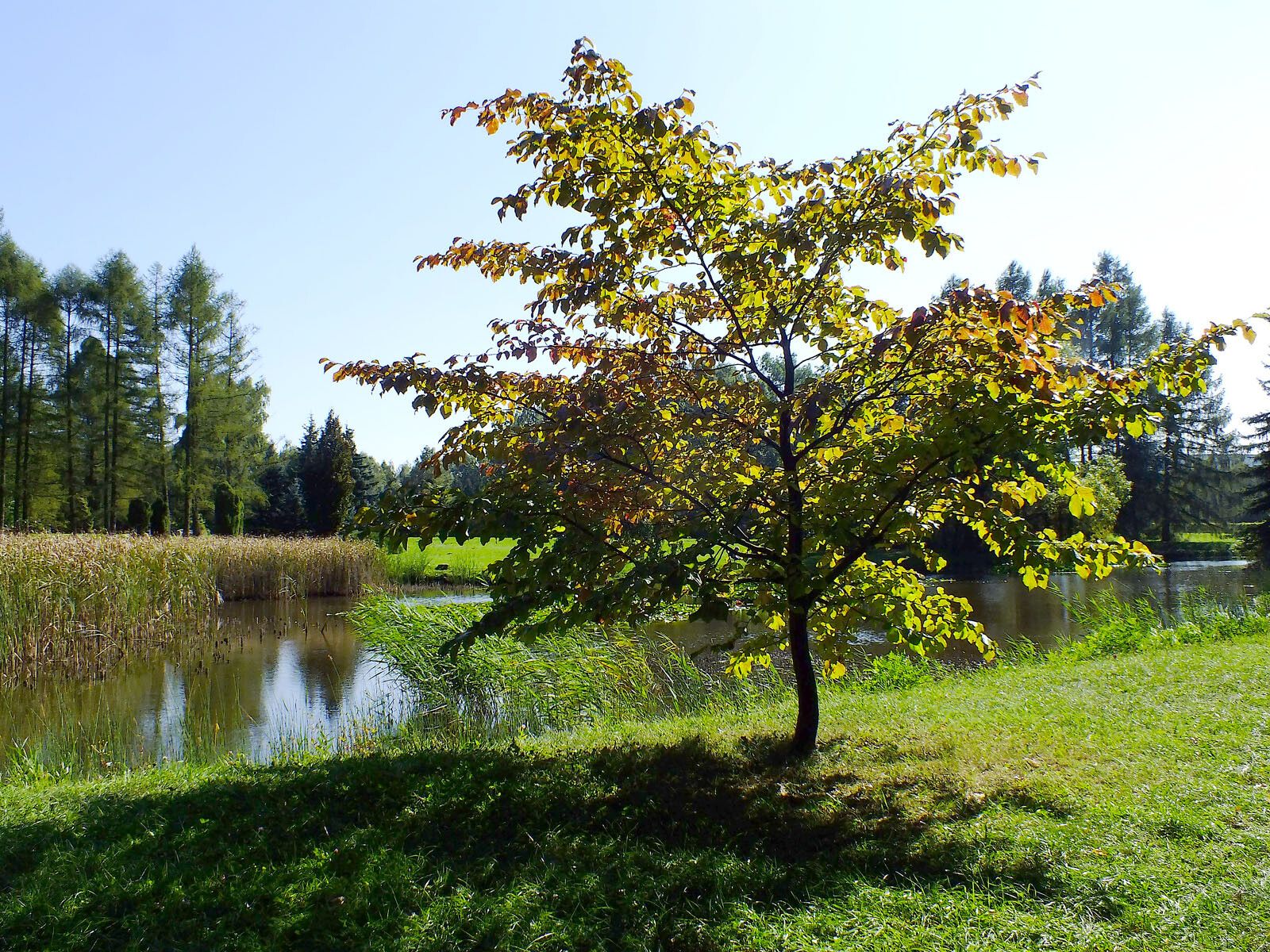
The Fagus japonica, commonly known as the Japanese beech, stands as a testament to nature’s elegance. Its smooth, grey bark, cascading foliage, and vibrant autumnal hues make it a cherished addition to any garden. But did you know that this stunning tree can be easily propagated from cuttings, offering a gateway to growing your own miniature forest?
This article will guide you through the essential techniques for propagating Fagus japonica, enabling you to nurture these beauties from the comfort of your own home.
The Magic of Cuttings:
The most accessible method for propagating Japanese beech is through hardwood cuttings. This technique utilizes woody stems taken from mature trees during the dormant season (late fall to early winter).
Step-by-Step Propagation Guide:
- Gathering Your Cuttings: Choose healthy, disease-free, pencil-thick stems from a parent Fagus japonica. Select branches that have grown during the current year for optimal results.
- Preparation is Key: Cut the stems into 6-8 inch sections, ensuring each cutting has several dormant buds. Make a slanted cut at the top to increase surface area for root development.
- The Root Stimulation: Apply a rooting hormone powder or gel to the cut ends, stimulating root growth.
- The Perfect Planting Medium: Prepare a mixture of peat moss and perlite, or a well-draining potting mix. Fill small pots or trays with the mixture and make indentations for each cutting.
- Planting Time: Gently insert the cuttings into the prepared holes, ensuring at least two buds are submerged. Don’t pack the soil around the cuttings, as this can hinder growth.
- Watering Wisely: Water thoroughly after planting to settle the soil and ensure the cuttings have a good start.
- Creating the Right Conditions: Place your cuttings in a humidity dome or a plastic bag, ensuring proper ventilation. This encourages the roots to develop in a moist, warm environment. A sunny location with indirect sunlight is ideal.
- Patience is a Virtue: Root development might take several months. Water regularly to maintain moisture, and avoid letting the soil dry out completely.
Beyond Cuttings: Exploring Alternative Methods
While cuttings remain the most popular option, Fagus japonica can also be propagated through other methods:
- Seed Propagation: This technique involves collecting mature beech nuts and planting them in moist, well-draining soil. However, these methods often take several years to germinate.
- Layering: This technique involves bending a branch down to the ground, burying a portion of the stem, and waiting for roots to develop. It requires a longer time frame but ultimately yields a new tree connected to the parent plant.
Tips for Success:
- Timing is Everything: The best time for propagation is during the plant’s dormant period, when energy reserves are stored in the roots.
- Sanitation is Key: Always sanitize your tools using a bleach solution or alcohol to prevent disease transmission.
- Observing the Signs: Monitor your cuttings for any signs of disease or pest infestation. Treat promptly to prevent spreading.
Enjoy Your Little Beech Trees:
As your cuttings develop, you can gradually acclimate them to outdoor conditions. By next spring, you’ll witness the joy of new leaves emerging, marking the beginning of your own Japanese beech forest. This rewarding process not only brings the beauty of nature into your home, but also connects you to the life cycle of these magnificent trees.