


Unveiling the Secrets of Propagating Chinese Beeches (Fagus sinensis)
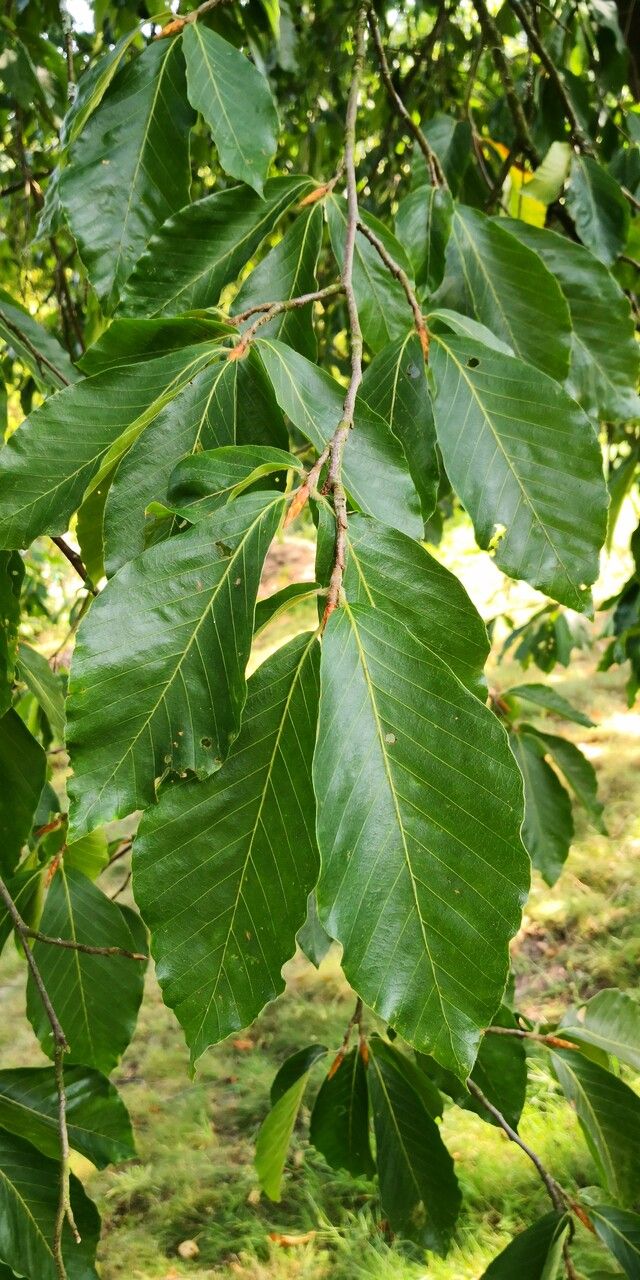
The Chinese Beech (Fagus sinensis) is a majestic tree with a captivating presence. Native to the mountainous regions of China, it boasts elegant, elliptical leaves that transform into a fiery spectacle of copper and gold in autumn. If you’re captivated by its beauty and wish to introduce this stately tree to your landscape, understanding propagation is key.
While not as straightforward as some other species, propagating Chinese Beech is a rewarding endeavor that allows you to cultivate these ancient trees from the ground up. Let’s delve into the two primary methods:
1. Seed Propagation: A Journey of Patience and Reward
Growing Chinese Beech from seed offers a deeply satisfying experience, albeit one that requires time and dedication. Here’s how:
- Seed Collection and Preparation: Begin by collecting mature seeds in autumn, ideally after they’ve naturally fallen from the tree. Viable seeds will be brown and plump. To increase germination rates, subject them to a period of cold stratification. Store the seeds in a moist medium, like vermiculite or peat moss, within a sealed container, and place them in your refrigerator (around 4°C) for 60-90 days.
- Sowing the Seeds: Once stratified, you can sow the seeds in a well-draining seed-starting mix. Plant them at a depth of about 1 inch, ensuring the pointed end faces downwards.
- Providing Optimal Conditions: Place the seed tray in a bright location, avoiding direct sunlight. Maintain consistent moisture, but avoid waterlogging. Germination typically occurs within 4-6 weeks.
- Transplanting Seedlings: Once the seedlings develop several true leaves, they can be carefully transplanted into individual pots. Continue nurturing them in a protected environment for the first year, gradually acclimatizing them to outdoor conditions before planting them in their final location.
2. Grafting: A Faster Route to Mature Trees
Grafting provides a quicker way to establish Chinese Beech trees and offers several advantages:
- Preserving Cultivar Characteristics: Grafting is particularly beneficial if you’re looking to replicate a specific cultivar’s unique traits, such as leaf color or growth habit, which might not be preserved through seed propagation.
- Enhanced Vigor: Grafting onto a robust rootstock, often a related beech species, can enhance the tree’s overall growth and resilience.
- Technique Overview: While grafting involves a greater degree of skill, it’s achievable with practice. The most common method for Chinese Beech is whip and tongue grafting, typically performed during the dormant season. This involves carefully joining a scion (a cutting from the desired cultivar) to the rootstock, ensuring a secure union for nutrient and water exchange.
Nurturing Your Chinese Beech Saplings
Regardless of the propagation method, young Chinese Beeches require consistent care:
- Light and Soil: Choose a planting location with partial shade to full sun and well-draining, slightly acidic soil.
- Watering: Provide regular watering, especially during the first few years, ensuring the soil remains consistently moist but not soggy.
- Fertilization: Apply a balanced, slow-release fertilizer in spring to encourage healthy growth.
Propagating your own Chinese Beech is a rewarding journey for any tree enthusiast. While the process requires patience, seeing your efforts culminate in a flourishing tree is an unparalleled experience. So, embrace the challenge, and soon you’ll be enjoying the graceful presence of this magnificent tree in your own backyard.