
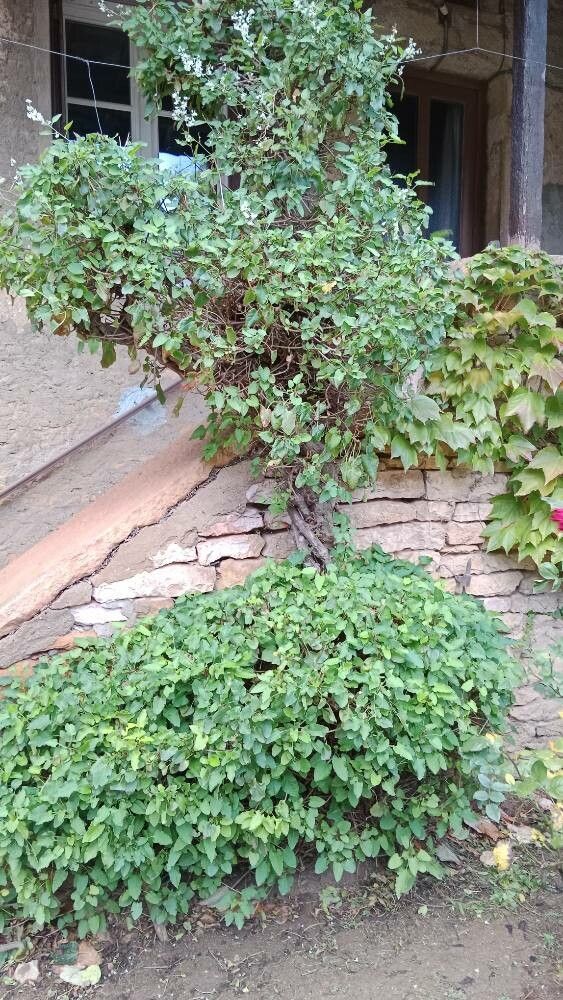
Propagating Fallopia baldschuanica: Mastering the Russian Vine
Fallopia baldschuanica, commonly known as Russian vine or mile-a-minute vine, is a vigorous, deciduous climbing plant prized for its rapid growth and profuse clusters of creamy-white flowers. Its ability to quickly cover walls, fences, and other structures makes it a popular choice among gardeners, particularly for creating dramatic, verdant displays. However, its vigorous nature also presents challenges in its management and propagation. This article will explore various propagation methods, examining their viability and outlining practical techniques.
Seed Germination:
Currently, there are no known reliable methods for seed germination propagation of Fallopia baldschuanica. While the plant does produce seeds, their germination rate is extremely low, and successful propagation from seed is rarely reported. The challenges likely stem from seed dormancy mechanisms that are not yet fully understood.
Cuttings:
Cuttings offer a significantly more reliable method for propagating Russian vine.
Challenges: The primary challenge lies in striking the balance between creating cuttings large enough to contain sufficient energy reserves for rooting and avoiding excessively large cuttings that are prone to rotting.
Practical Tips: Semi-hardwood cuttings taken in late summer or early autumn generally yield the best results. Cuttings should be about 10-15cm long, with several nodes. Remove lower leaves to prevent rotting, and dip the cut ends in rooting hormone before planting in a slightly moist, well-draining rooting medium (e.g., a mix of perlite and peat moss). High humidity is crucial; covering the cuttings with a clear plastic bag or cloche helps maintain humidity and warmth. Consistent moisture is key—avoid both waterlogging and desiccation.
Rewards: This method is relatively straightforward, offering a reliable way to produce numerous clones of a desirable parent plant. This preserves desirable traits and is highly efficient for propagation on a smaller scale.
Division:
Division is another relatively successful and simple method for propagating Fallopia baldschuanica.
Challenges: The main challenge is the plant’s robust root system, which can be difficult to separate without damaging the plant. Improper division can lead to weakened plants and poor establishment.
Practical Tips: The best time to divide is during spring or autumn when the plant is actively growing or becoming dormant. Carefully dig up the parent plant, ensuring you get as much of the root system as possible. Use a sharp, clean spade or knife to divide the root ball into sections, each with healthy roots and shoots. Replant the divisions immediately, ensuring they are well-watered and protected from direct sunlight until established.
Rewards: This method is quick, relatively easy, and allows for the rapid increase of the plant’s population, especially suitable for larger-scale propagation within a garden setting.
Tissue Culture:
Tissue culture offers the potential for large-scale, highly controlled propagation of Fallopia baldschuanica.
Challenges: While theoretically possible, tissue culture techniques for this specific species are not widely documented or readily available. This method requires specialized equipment, expertise, and sterile conditions, making it a less accessible option for home gardeners.
Practical Tips: Establishing sterile conditions is paramount. A laminar flow hood is necessary, along with sterile media and careful sterilization procedures for all tools and equipment, ensuring the prevention of contamination. Specialized knowledge of plant tissue culture techniques is required for success.
Rewards: Tissue culture offers the possibility of mass propagation, producing disease-free plants, and potential clonal selection. The controlled environment minimizes the risk of genetic variability, leading to uniform plant growth.
Conclusion:
Propagating Fallopia baldschuanica presents unique challenges depending on the chosen method. While seed germination remains unproven, cuttings and division are relatively reliable and accessible approaches for gardeners. Tissue culture offers potential for large-scale, controlled propagation but requires specialized skills and resources. The rewards of successfully propagating this vigorous climber—whether a single cutting or a whole new colony—are substantial. The satisfaction of witnessing its rapid growth and the beautiful cascading flowers makes the effort worthwhile. Remember patience and attention to detail are key to success with this remarkable plant. Don’t be discouraged by initial setbacks; persistent experimentation and careful observation will pave the way for successful propagation.