
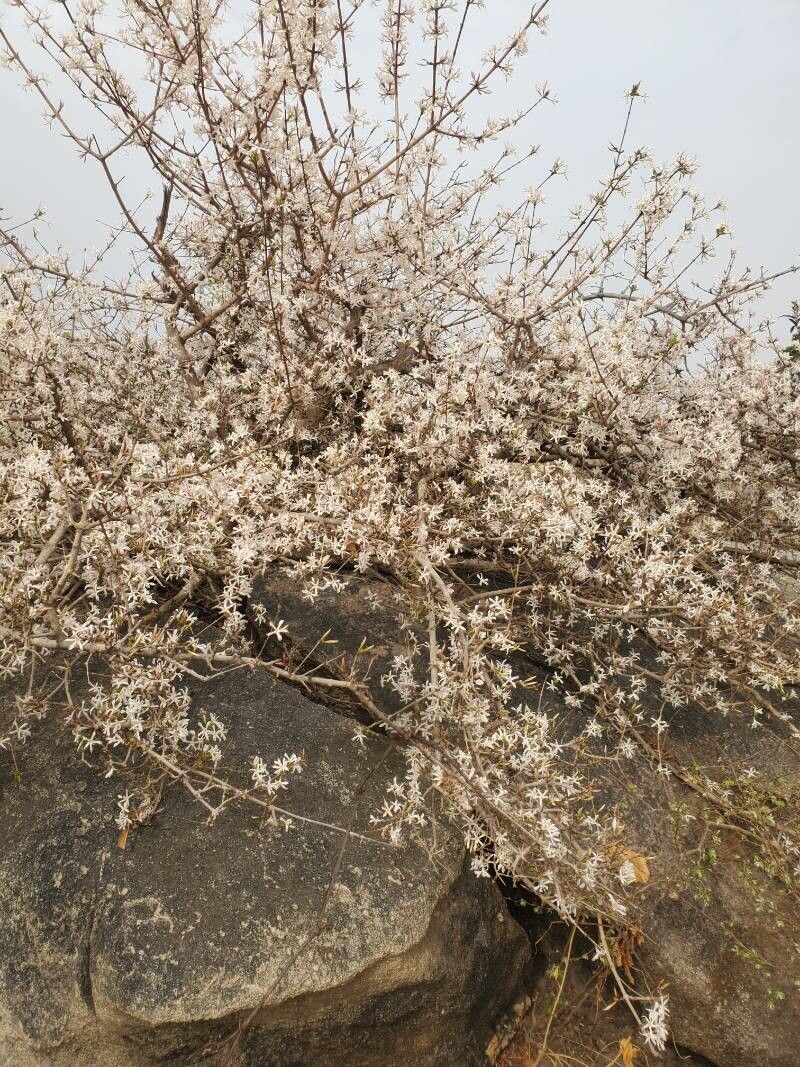
Unlocking the Secrets of Feretia apodanthera: A Propagation Guide for the Intrepid Gardener
Feretia apodanthera, while relatively unknown outside of botanical circles, is a fascinating plant with immense potential. Hailing from the Rubiaceae family, this African native boasts striking foliage, fragrant flowers, and even edible fruits. But how can you, the intrepid gardener, introduce this exotic marvel to your own green space? Here, we unlock the secrets of Feretia apodanthera propagation, empowering you to cultivate this botanical treasure.
Embracing the Challenge: Why Propagate Feretia apodanthera?
Before we delve into the how-to, let’s address the why. Feretia apodanthera isn’t your average houseplant; it’s a project, a labor of love for those seeking something truly unique. Propagating this species allows you to:
- Preserve biodiversity: By cultivating uncommon species like Feretia apodanthera, you contribute to the conservation of global plant diversity.
- Expand your gardening horizons: Challenge yourself and expand your skills by mastering the propagation of a less common plant.
- Enjoy a unique addition to your garden: Reap the rewards of your efforts with a stunning and unusual plant gracing your collection.
Seeds of Potential: The Path to Propagation
Propagating Feretia apodanthera primarily relies on seed propagation, though cuttings can be attempted with limited success. Here’s a closer look at each method:
1. Seed Propagation:
- Sourcing Seeds: Obtaining Feretia apodanthera seeds can be challenging. Seek out reputable online seed suppliers specializing in rare or exotic species.
- Seed Preparation: Soak the seeds in warm water for 24 hours to enhance germination rates.
- Sowing: Utilize a well-draining seed starting mix. Sow the seeds shallowly and keep them consistently moist but not waterlogged.
- Warmth and Patience: Feretia apodanthera seeds appreciate warmth for germination. Providing bottom heat with a seedling mat can be beneficial. Germination times are variable and can take several weeks to months.
2. Propagation from Cuttings:
- Timing is Key: Take semi-hardwood cuttings in late spring or early summer when the plant is actively growing.
- Choosing Cuttings: Select healthy, non-flowering stems about 4-6 inches long. Make a clean cut just below a leaf node.
- Hormone Help: Dip the cut end in rooting hormone to encourage root development.
- Planting and Care: Plant the cuttings in a well-draining potting mix and maintain a humid environment. Rooting can be slow and inconsistent.
Nurturing New Life: Caring for Your Feretia apodanthera
Successful propagation is just the beginning. To ensure your Feretia apodanthera thrives, provide the following:
- Sunlight: Bright, indirect light is ideal. Avoid harsh, direct sunlight that can scorch the leaves.
- Watering: Water thoroughly when the top inch of soil feels dry. Good drainage is crucial to prevent root rot.
- Humidity: Being a tropical plant, Feretia apodanthera enjoys humidity. Misting the leaves or using a humidifier can be beneficial, especially in dry climates.
- Fertilizer: A balanced, diluted fertilizer can be applied during the growing season (spring and summer) to support healthy growth.
Reaping the Rewards: The Joys of Feretia apodanthera
While propagating Feretia apodanthera requires patience and dedication, the rewards are well worth the effort. Witnessing this botanical gem flourish under your care, gracing your space with its unique beauty and perhaps even bearing fruit, is a truly rewarding experience. So, embrace the challenge, unlock the secrets of Feretia apodanthera propagation, and embark on an exciting horticultural adventure.