
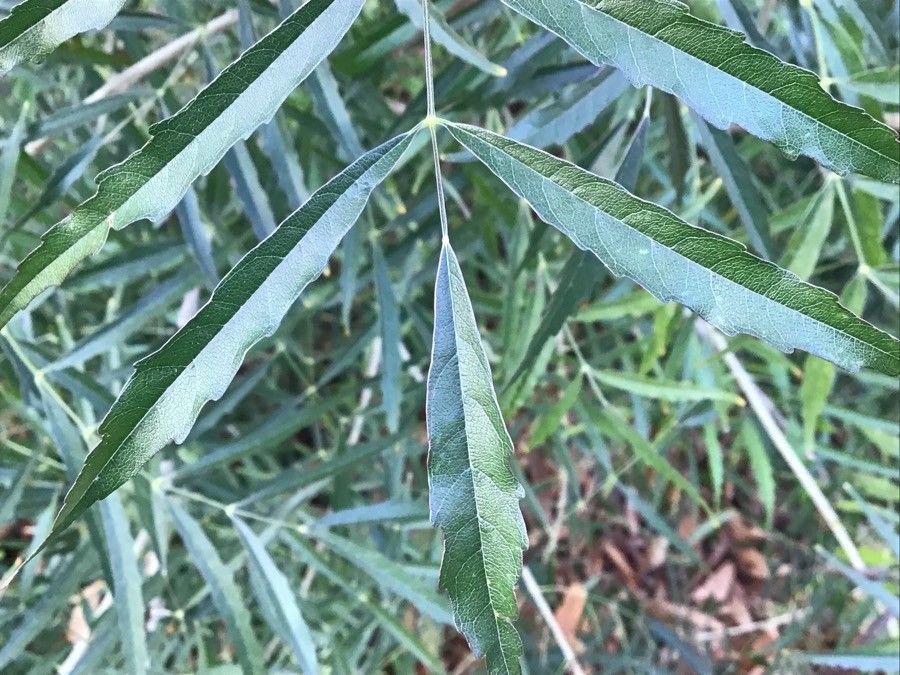
Propagating the Madagascar Rosewood: A Gardener’s Guide to Fernandoa madagascariensis
Introduction
Fernandoa madagascariensis, commonly known as Madagascar Rosewood, is a striking deciduous tree prized for its elegant, pendulous branches laden with vibrant yellow flowers. Its captivating display, coupled with its relatively fast growth rate, has made it a popular choice among gardeners in suitable climates. However, its propagation presents unique challenges due to its specific environmental needs and relatively low seed viability in certain conditions . Successfully propagating this stunning tree offers a significant reward for the dedicated horticulturalist.
Seed Germination
Seed germination is a viable but often challenging method for propagating Fernandoa madagascariensis. The main hurdle lies in the relatively short viability period of the seeds, often requiring fresh seeds collected directly from mature, healthy trees. Challenges include:
- Low germination rates: Even with fresh seeds, germination percentages can be low (often below 50%).
- Seed predation: Insect and rodent predation can significantly reduce seed availability.
Practical Tips for Seed Germination:
- Collect seeds promptly: Harvest ripe seed pods as soon as they fully mature and dehisce (open to release seeds).
- Pre-treatment (optional): Some sources suggest a short period of warm stratification (soaking in warm water for 24-48 hours) might improve germination rates, though this is not consistently effective.
- Sowing: Sow seeds in well-draining seed starting mix, barely covering them with the substrate. Maintain consistently moist (not waterlogged) conditions and warmth (25-30°C).
- Humidity: High humidity is beneficial for seedling development. A humidity dome or regular misting can assist.
Rewards of Seed Propagation:
Successful seed germination offers the potential for high genetic diversity within a propagated population, increasing the resilience of the plants to disease and environmental stress. Seed propagation also offers the possibility of large-scale production for landscaping or reforestation purposes.
Cuttings
Cuttings are a less reliable propagation method for Fernandoa madagascariensis. Although semi-hardwood cuttings may sometimes root, success rates are generally low. Challenges include:
- Low rooting success: The species exhibits relatively poor rooting ability from cuttings.
- Susceptibility to fungal diseases: Cuttings are susceptible to rot if proper hygiene and sanitation are not maintained during propagation.
Practical Tips for Cuttings:
While not highly successful, if attempting cuttings, use semi-hardwood cuttings taken in late summer or early autumn. Employ rooting hormone and a suitable propagation mix and maintain high humidity.
Rewards of Cutting Propagation:
Successful rooting from cuttings would allow for the rapid multiplication of desirable genotypes, preserving specific traits.
Division
Division is not a viable method for propagating Fernandoa madagascariensis. This species is a tree, and division of its root system is not feasible.
Tissue Culture
Tissue culture is a potentially viable method but is not widely practiced for Fernandoa madagascariensis. This technique requires specialized equipment and expertise. Challenges include:
- Cost and expertise: Establishing and maintaining a tissue culture laboratory necessitates significant investment and specialized knowledge.
- Sterility: Stringent aseptic techniques are crucial to prevent contamination.
Rewards of Tissue Culture:
Tissue culture offers the potential for rapid and large-scale propagation of disease-free plants from a single mother plant, preserving superior genotypes.
Conclusion
Propagating Fernandoa madagascariensis presents a unique challenge due to the varying success rates across different methods. While seed germination offers the greatest potential for the generation of diverse stock, it depends on factors such as seed freshness and proper care. Cuttings offers limited success, and neither division nor tissue culture are standard practices. The rewards, however, are significant. Successfully nurturing these magnificent trees from seed or cuttings provides a profound sense of accomplishment, a testament to patience, persistence, and a deep appreciation for the beauty of nature. For aspiring propagators, remember that success relies on diligent attention to detail, consistent monitoring, and a willingness to learn from both successes and setbacks. The magnificent blooms of the Madagascar Rosewood are a truly rewarding prize for your efforts.