
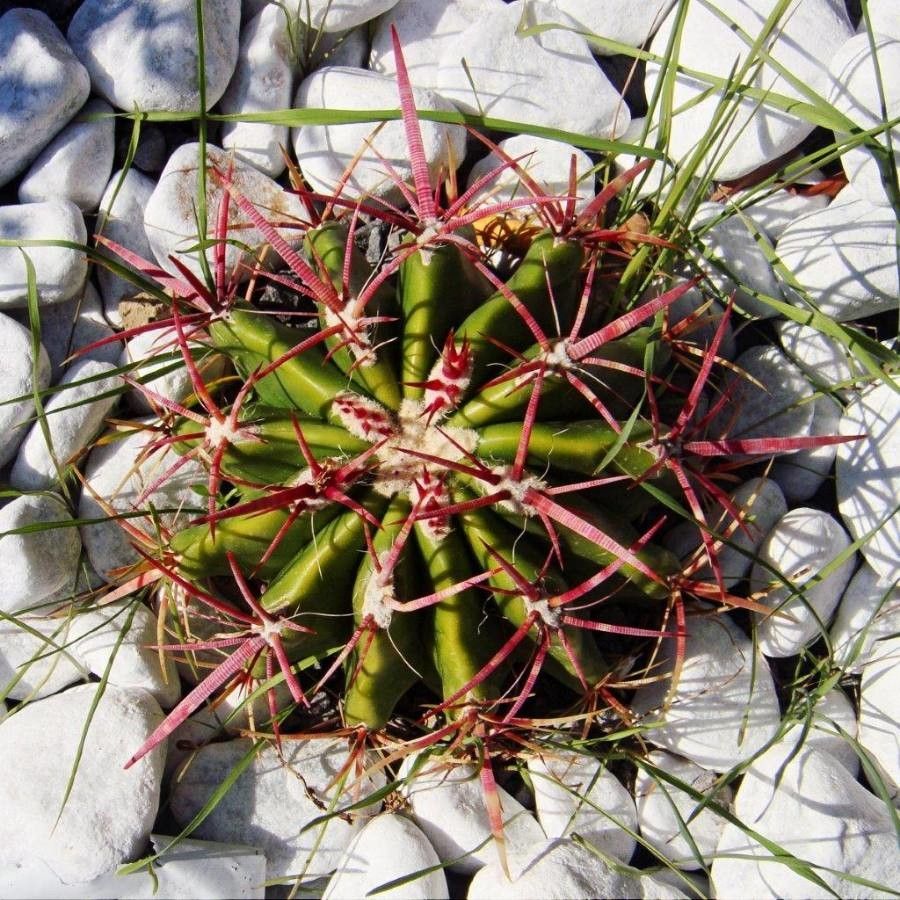
Propagating the Fishhook Cactus (Ferocactus pilosus): A Guide for the Determined Cultivator
Introduction:
Ferocactus pilosus, commonly known as the Fishhook Cactus, is a captivating species prized for its striking appearance. This barrel cactus boasts a robust, barrel-shaped body adorned with prominent, hooked central spines – hence its common name. Its relatively slow growth and attractive form make it a popular choice among succulent enthusiasts, although its propagation presents unique challenges. The ability to successfully propagate this species offers a rewarding sense of accomplishment, allowing gardeners to share this unique plant or expand their own collections.
Seed Germination:
Seed germination is a viable method for propagating Ferocactus pilosus, although it requires patience and attention to detail.
Challenges: Ferocactus seeds possess a hard seed coat, which can inhibit water uptake and germination. Furthermore, consistent warmth and moisture are crucial for success.
Practical Tips: Prior to sowing, scarification (slightly nicking the seed coat with sandpaper) can improve germination rates. Sow seeds in a well-draining cactus and succulent potting mix, barely covering them with soil. Maintain a consistently warm temperature (around 70-80°F or 21-27°C) and high humidity, ideally using a humidity dome or propagator. Bottom watering is recommended to prevent damping off. Light is important; place the seedlings in a bright location, but avoid direct, scorching sunlight.
Rewards: Seed-grown plants offer the greatest genetic diversity, ensuring a range of characteristics within the population. It’s also a cost-effective method for large-scale propagation.
Cuttings:
Currently, there are no known reliable methods for propagation of Ferocactus pilosus from cuttings. The thick, succulent stems are not readily prone to root formation from cuttings.
Division:
Division is not a practical method for propagating Ferocactus pilosus. Unlike some cacti that readily offset, this species typically grows as a solitary stem. Attempts at forceful division are likely to damage the plant irreparably.
Tissue Culture:
Tissue culture offers a potentially viable, albeit technically demanding, method for propagating Ferocactus pilosus.
Challenges: Establishing a sterile environment and mastering the intricate techniques of tissue culture are significant hurdles. Specialized equipment, media, and experience are required.
Practical Tips: This method requires a clean lab setting, sterile tools, and specialized nutrient media formulated for cactus propagation. Success depends on precise control of temperature, humidity, and light.
Rewards: This technique allows for the rapid multiplication of desirable plants, preserving specific genetic characteristics, and producing disease-free stock.
Conclusion:
Propagating Ferocactus pilosus presents a spectrum of challenges, with seed germination offering the most accessible, albeit time-consuming method. Cuttings and division are not viable options. Tissue culture provides the fastest and most efficient propagation but necessitates specialized knowledge and equipment. The rewards, however, are substantial. The unique satisfaction derived from nurturing a tiny seed into a mature Fishhook Cactus or successfully mastering the complexities of tissue culture far outweighs the difficulties involved. For aspiring propagators, patience, meticulous attention to detail, and a willingness to experiment are essential qualities for success. Don’t be discouraged by setbacks; the journey of propagating this fascinating plant is just as rewarding as the final result.