
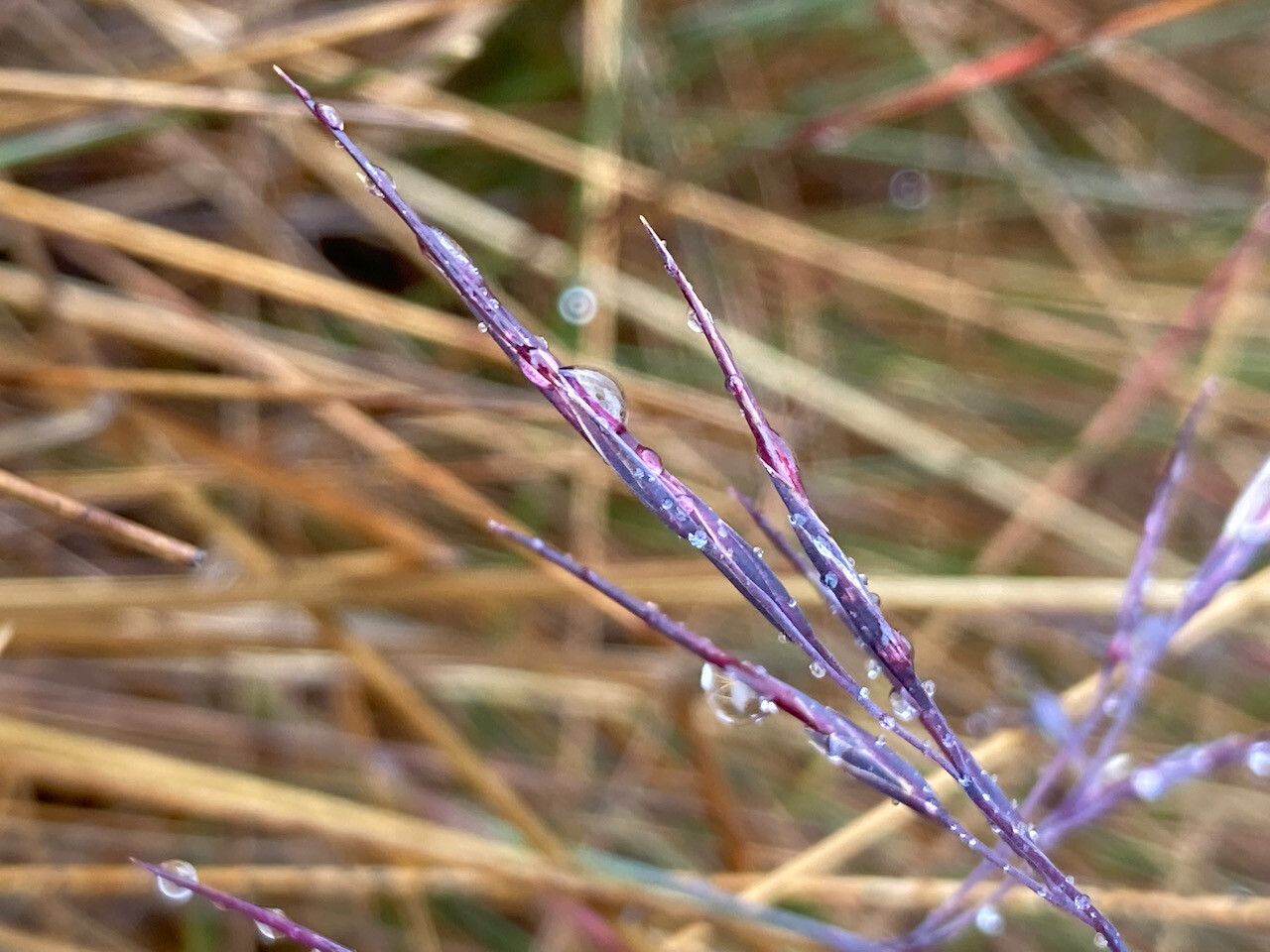
Conquering the Clump: Propagating Festuca asplundii for a Lush, Low-Maintenance Lawn
Festuca asplundii, commonly known as blue bunchgrass, is gaining popularity amongst gardeners for its striking blue foliage and low-maintenance nature. This beautiful, drought-tolerant grass forms attractive clumps, making it an excellent choice for borders, rock gardens, or even a unique, low-water lawn alternative. But how do you go about multiplying this attractive ornamental for a truly awe-inspiring landscape?
Propagation Methods: Seed vs. Division
Two primary methods allow you to propagate Festuca asplundii:
1. Seed:
- Advantages: Ideal for large-scale propagation and obtaining many new plants. Seeds are often more readily available and generally less expensive than established plants.
- Disadvantages: Requires patience, as germination can be slow and variable. You may also encounter variability in the offspring, which can be exciting or undesirable depending on your goals.
2. Division:
- Advantages: Ensures you retain the exact characteristics of the parent plant. It’s quicker than starting from seed, with established divisions growing rapidly.
- Disadvantages: Limits the number of plants you can obtain at one time. Requires a healthy, mature clump for division.
While both methods are viable, division is generally recommended for home gardeners due to its reliability and speed.
Propagating Festuca asplundii Through Division: A Step-by-Step Guide
Ready to multiply your blue bunchgrass? Here’s a simple guide to successful division:
1. Timing is Key: Early spring or early fall, when the weather is cool and moist, offers the ideal conditions for division, giving the separated clumps time to establish themselves before extreme temperatures.
2. Dig Deep: Using a sharp spade or garden fork, carefully dig around the perimeter of the clump, ensuring you go deep enough to avoid damaging the roots.
3. Lift and Divide: Gently lift the entire clump from the ground. Depending on its size, you can either gently tease it apart into smaller sections by hand or use a sharp, clean knife to cut through the root mass. Aim for divisions with a good amount of roots and at least a few healthy shoots.
4. Prepare the Planting Site: Choose a sunny or partially shaded location with well-drained soil. Amend the soil with compost to improve drainage and fertility, especially if your soil is heavy clay.
5. Plant and Water: Plant the divisions at the same depth they were originally growing. Space them according to your desired effect, considering that they will expand over time. Water thoroughly after planting to settle the soil and encourage root establishment.
6. Aftercare: Keep the newly planted divisions consistently moist but not waterlogged. Once they show signs of new growth, you can gradually reduce watering frequency.
Enjoying Your Blue Bunchgrass Bounty
Propagating Festuca asplundii is a rewarding endeavor that allows you to expand your garden’s beauty while enjoying the hardiness and unique aesthetics of this fascinating grass. With a little time and effort, you can create a stunning landscape brimming with stunning blue foliage that thrives with minimal intervention. So go ahead, conquer the clump and relish the captivating charm of Festuca asplundii.