
Sweet Success with Sugar Fescue: Your Guide to Propagation
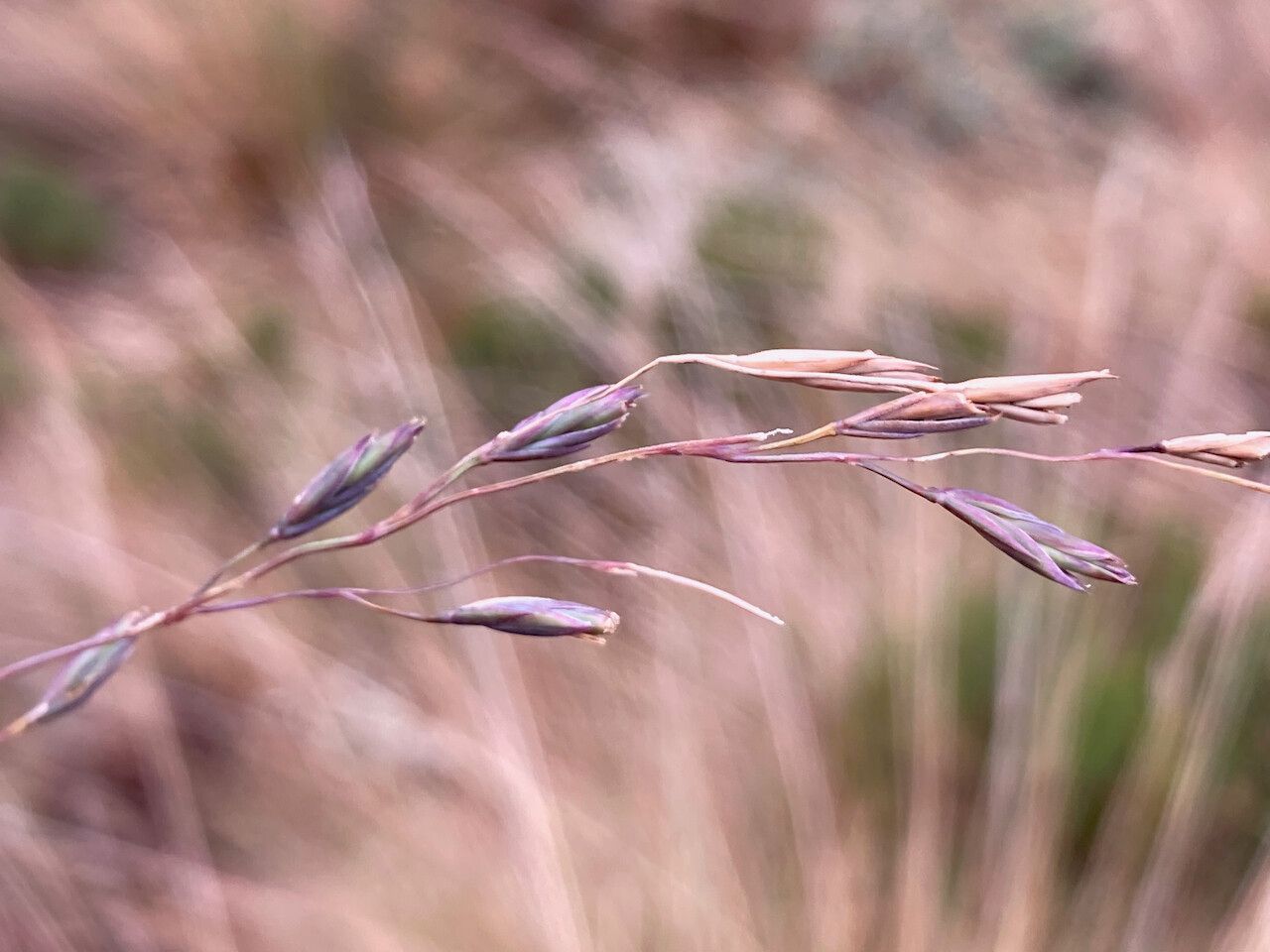
Sugar fescue (Festuca azucarica), with its shimmering blue-green blades and graceful, arching form, is a showstopper in any garden. This cool-season grass adds texture and movement to borders, rock gardens, and even container plantings. But did you know that propagating your own sugar fescue is easier than you might think? Whether you’re looking to expand your planting or share this beauty with friends, this guide will walk you through the process.
Two Paths to Propagation
Sugar fescue can be propagated in two main ways: division and seed. Each method has its advantages and considerations:
1. Division: The Quick and Easy Route
- Best time: Early spring or early fall, when the plant is actively growing but the heat isn’t too intense.
Process:
- Dig up the clump: Carefully lift the entire clump of fescue from the ground, ensuring you get a good root ball.
- Divide the clump: Using your hands or a sharp, clean knife, separate the clump into smaller sections. Each section should have a good amount of roots and several healthy shoots.
- Replant: Plant the divisions in their new locations, making sure the crown of the plant (where the roots meet the stems) is level with the soil surface. Water well.
- Pros: Faster than growing from seed, ensures you’re propagating the exact characteristics of the parent plant.
- Cons: Requires an existing plant to divide.
2. Seed: A Slower but Rewarding Approach
- Best time: Spring or fall.
Process:
- Collect seeds: Collect seeds from existing fescue plants after the blooms fade and seed heads turn brown.
- Sow seeds: Sow seeds directly into prepared garden beds or start them indoors in seed trays filled with seed-starting mix. Lightly cover the seeds with soil and keep moist.
- Transplant seedlings: Once seedlings are large enough to handle (around 3-4 inches tall), transplant them to their permanent locations.
- Pros: Can be more economical, especially if you’re starting a large number of plants.
- Cons: Takes longer for plants to mature, and the resulting plants may have slight variations from the parent plant.
Tips for Success, No Matter Your Method:
- Well-draining soil: Sugar fescue thrives in well-drained soil. Amend heavy clay soils with compost or other organic matter to improve drainage.
- Sun or part shade: While this grass tolerates some shade, it performs best in full sun to part shade (at least 4 hours of direct sunlight daily).
- Moderate watering: Keep the soil consistently moist but avoid overwatering, which can lead to root rot. Once established, sugar fescue is relatively drought-tolerant.
Sharing the Beauty of Sugar Fescue
Propagating your own sugar fescue is a rewarding way to multiply these lovely grasses in your garden and beyond. With a little care and attention, you can easily share this plant’s unique beauty and texture with fellow gardening enthusiasts. So why not give it a try? You might be surprised by how simple and satisfying it can be!