
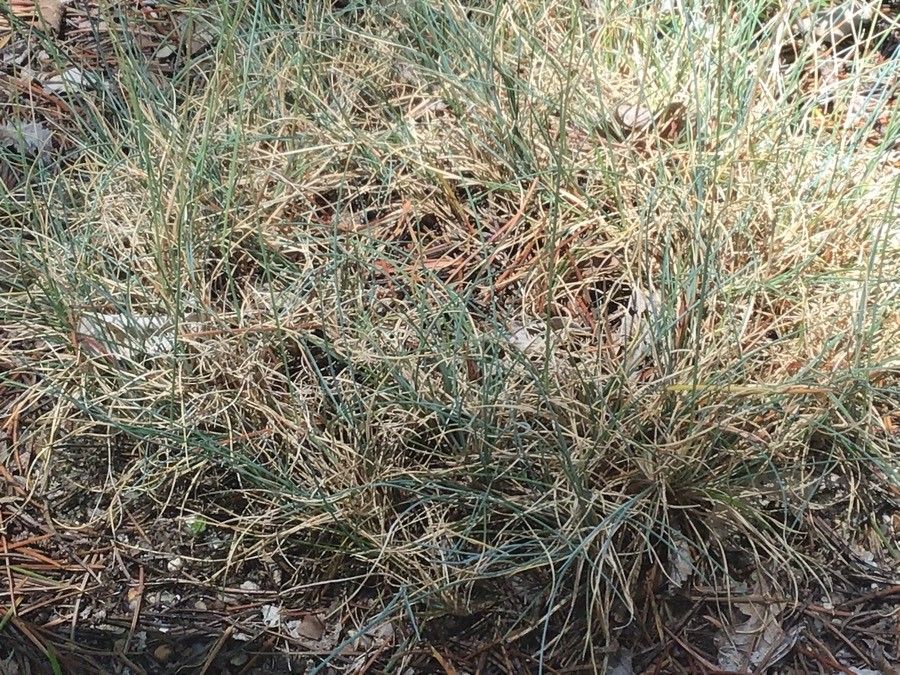
Taming the Wild Beauty: Propagating Festuca Brigantina for a Touch of Mountain Majesty
Festuca brigantina, with its elegant, blue-tinged foliage and graceful, arching form, brings a touch of wild mountain scenery to gardens. Native to the Pyrenees mountains, this clumping ornamental grass thrives in sunny, well-drained locations, adding texture and movement to rockeries, borders, and even containers. While readily available at nurseries, propagating your own Festuca brigantina gives you the satisfaction of nurturing new life and expands your plant collection affordably.
The Two Roads to Propagation Success:
For Festuca brigantina, you have two primary methods of propagation at your disposal: division and seed sowing. Each approach comes with its own set of advantages and best practices:
1. Division: The Clump-Splitting Strategy
Division is the most common and arguably easiest route to propagating Festuca brigantina. This method involves carefully separating established plants to create new, independent ones. Here’s how:
- Timing is Key: Early spring, just as new growth emerges, or early fall offers the ideal timeframe for division. This allows the plants ample time to establish roots before facing the stresses of summer heat or winter chill.
- The Dig and Divide: Carefully dig up a healthy clump, ensuring you get as much of the root system as possible. Using a sharp, clean knife or garden shears, divide the clump into smaller sections, each with a good amount of roots and shoots.
- Replanting: Prepare your chosen location with well-drained soil. Plant the divisions at the same depth they were originally growing, ensuring the crown (where the roots meet the shoots) is level with the soil surface. Water well and keep the soil consistently moist as the new plants establish.
2. Seed Sowing: A Journey of Patience and Reward
While slightly more time-consuming, growing Festuca brigantina from seed offers a rewarding experience for the patient gardener. Here’s how to embark on this journey:
- Seed Collection: If you already have a Festuca brigantina, you can collect seeds from the mature flower heads in late summer or fall. Alternatively, seeds are readily available from reputable suppliers.
- Sowing Time: You have two windows of opportunity: sowing indoors in late winter or directly outdoors after the last frost in spring.
- Sowing Setup: Use a well-draining seed starting mix or prepare a seedbed with loose, fertile soil. Sow seeds thinly and lightly press them into the surface. Light is essential for germination, so avoid burying them too deep.
- Germination Grace: Be prepared for a waiting game; Festuca brigantina seeds can take anywhere from a couple of weeks to a couple of months to germinate.
- Transplanting Triumph: Once seedlings are large enough to handle, thin them out or transplant them into individual pots. Gradually acclimate them to outdoor conditions before planting them in their permanent locations.
Tips for Propagation Triumph:
- Regardless of the method you choose, ensure your Festuca brigantina has access to full sun or partial shade.
- Maintain consistent moisture, especially during the establishment phase, but be mindful of overwatering, which can lead to root rot.
- This resilient grass requires minimal fertilization. A light application of a balanced slow-release fertilizer in spring is usually sufficient.
Propagating your own Festuca brigantina not only allows you to multiply your collection but also fosters a deeper connection with these captivating ornamental grasses. So, roll up your sleeves, embrace the process, and soon, your garden will be graced with the captivating beauty of these mountain treasures.