
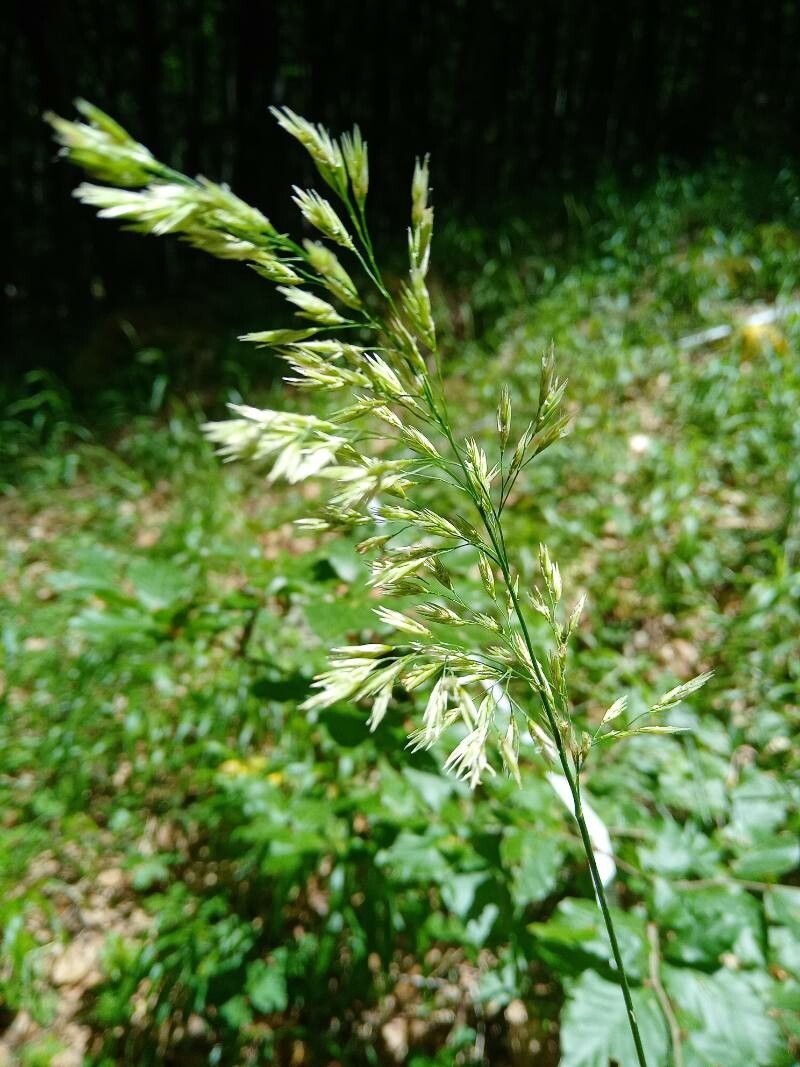
Unleash the Charm of Fescue: Propagating Your Very Own Festuca drymeja
Festuca drymeja, commonly known as Sheep Fescue, is a captivating ornamental grass with elegant, fine-textured foliage and a graceful habit. It’s a versatile plant, adding texture and visual interest to gardens and landscapes. But what if you could have more? What if you could share the beauty of your Festuca drymeja with friends or expand your own garden’s verdant charm?
The good news is that Festuca drymeja is a plant that can be propagated easily, allowing you to expand your garden’s collection and enjoy the beauty of this plant in new locations.
The Two Main Propagation Methods
There are two main methods for propagating Festuca drymeja:
Division: This method is best used for established plants. In late summer or fall, carefully dig up the plant and separate it into smaller clumps, ensuring each division has healthy roots and foliage. Plant these divisions in well-prepared soil, keeping them well-watered until they establish.
- Seed: Festuca drymeja seeds are readily available. Sow them in seed trays or directly in the ground in a sunny spot during spring. Sow seeds thinly and lightly cover them with soil. Keep them well-watered and the soil moist until germination, which can take 10-14 days.
Here’s a Step-by-Step Guide for Division:
- Timing: The best time to divide Festuca drymeja is in late summer or early fall. This allows the plants to establish themselves before winter.
- Preparation: Prepare your new planting site by amending the soil with compost or other organic matter. Festuca drymeja prefers well-drained soil.
- Division: Carefully lift the Festuca drymeja clump from the ground. Using a sharp knife or a trowel, divide the clump into smaller sections. Each section should have healthy roots and foliage.
- Planting: Plant the divisions in the prepared soil, ensuring that the root ball is level with the ground. Water deeply and thoroughly after planting.
For Seed Propagation:
- Timing: Sow seeds in spring or early summer.
- Preparation: Prepare the seedbed by loosening the soil and incorporating some organic matter.
- Sowing: Sow seeds thinly in the prepared bed and lightly cover them with soil.
- Watering: Keep the soil consistently moist, but not soggy, until germination.
- Thinning: Once the seedlings have a few true leaves, thin them, leaving about 6-12 inches between plants.
Additional Considerations
- Watering: Keep your newly-propagated plants consistently moist but not waterlogged, especially during the first year.
- Sunlight: Festuca drymeja prefers full sun to partial shade, so ensure your new plants receive enough sunlight.
- Fertilizer: Fertilize your propagated plants sparingly. A balanced fertilizer applied once or twice during the growing season will suffice.
- Pests and Diseases: Festuca drymeja is generally pest-and disease-resistant. Keep an eye out for common garden pests and address infestations promptly.
Enjoy Your New Festuca drymeja Plants!
With a bit of effort and patience, you can propagate your own Festuca drymeja plants, turning a single plant into a mini-meadow. From adding graceful clusters to your borders to starting new patches in different parts of your garden, the options are endless. So grab your trowel, gather seeds, and let the beauty of Festuca drymeja multiply!