
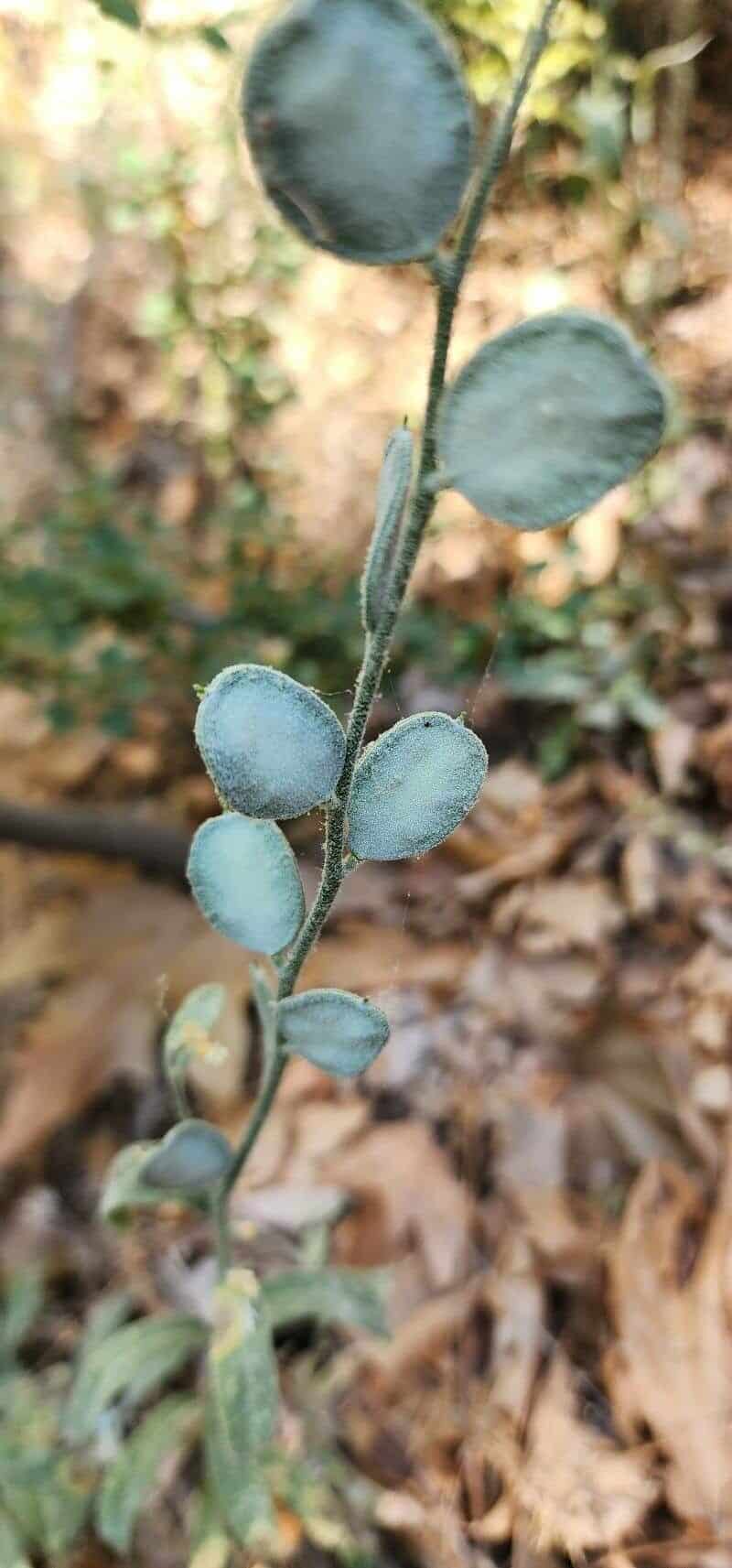
Unveiling the Secrets of Propagating the Majestic Fibigia macrocarpa
The Fibigia macrocarpa, also known by its captivating common name, the ‘Turkish Rocket’, is a sight to behold. This stunning perennial, hailing from the mountainous regions of Turkey and Greece, enchants gardeners with its dramatic display of bright yellow flowers that burst forth in spring, resembling rockets aiming for the sky. If you’re smitten by this botanical beauty and wish to welcome more Turkish Rockets into your garden, then understanding its propagation is key.
While the sight of its abundant seed pods might tempt you to try seed propagation, Fibigia macrocarpa can be a bit particular.
The How-to of Successful Propagation:
1. Seed Collection and Sowing:
- Timing is Key: Wait until the seed pods are completely dry and brown on the plant before collecting them. This usually occurs in late summer or early fall.
- Gentle Extraction: Carefully open the pods to collect the small, round seeds housed inside.
- Direct Sowing (The Preferred Method): For best results, sow the seeds directly into their desired location outdoors in the fall. This allows them to experience natural winter temperatures, crucial for breaking their dormancy and triggering germination in the spring. Choose a well-drained spot with full sun to partial shade.
- Patience is a Virtue: Be prepared for a slow but rewarding process. Germination may take several months.
2. Providing the Ideal Growing Conditions:
- Well-Drained Soil: Turkish Rocket thrives in well-drained soil, mimicking its natural rocky habitat. Incorporating grit or sand into heavier soils is beneficial.
- Sun Seeker: Select a sunny location for your plant. While it tolerates partial shade, ample sunlight ensures a bountiful bloom.
- Water Wisely: Once established, the Turkish Rocket is relatively drought-tolerant. Water deeply but infrequently, allowing the soil to dry out slightly between waterings.
- Pruning for Shape and Future Blooms: Deadhead spent flowers to encourage more blooms. A light pruning after flowering keeps the plant tidy and promotes bushier growth.
3. Troubleshooting Tips:
- Germination Issues: If direct sowing doesn’t yield results, consider cold stratification. This mimics natural winter conditions and can significantly improve germination rates. Simply store the seeds in a moist paper towel inside a sealed plastic bag in the refrigerator for 1-2 months before sowing outdoors in spring.
- Pests and Diseases: This species is generally pest and disease-free. However, keep an eye out for common garden pests like aphids or slugs, especially on young plants.
Beyond the Basics:
While seed propagation is the most common method, adventurous gardeners may experiment with basal cuttings. Taken in early spring, these cuttings can root successfully but require meticulous care and a controlled environment.
The Rewards:
Propagating Fibigia macrocarpa, though requiring some patience, is a rewarding endeavor. Each successful seedling represents not just a new plant, but a promise of vibrant spring color and a touch of exotic beauty in your garden. So, gather your seeds, prepare your soil, and embark on the journey of growing these magnificent Turkish Rockets!