
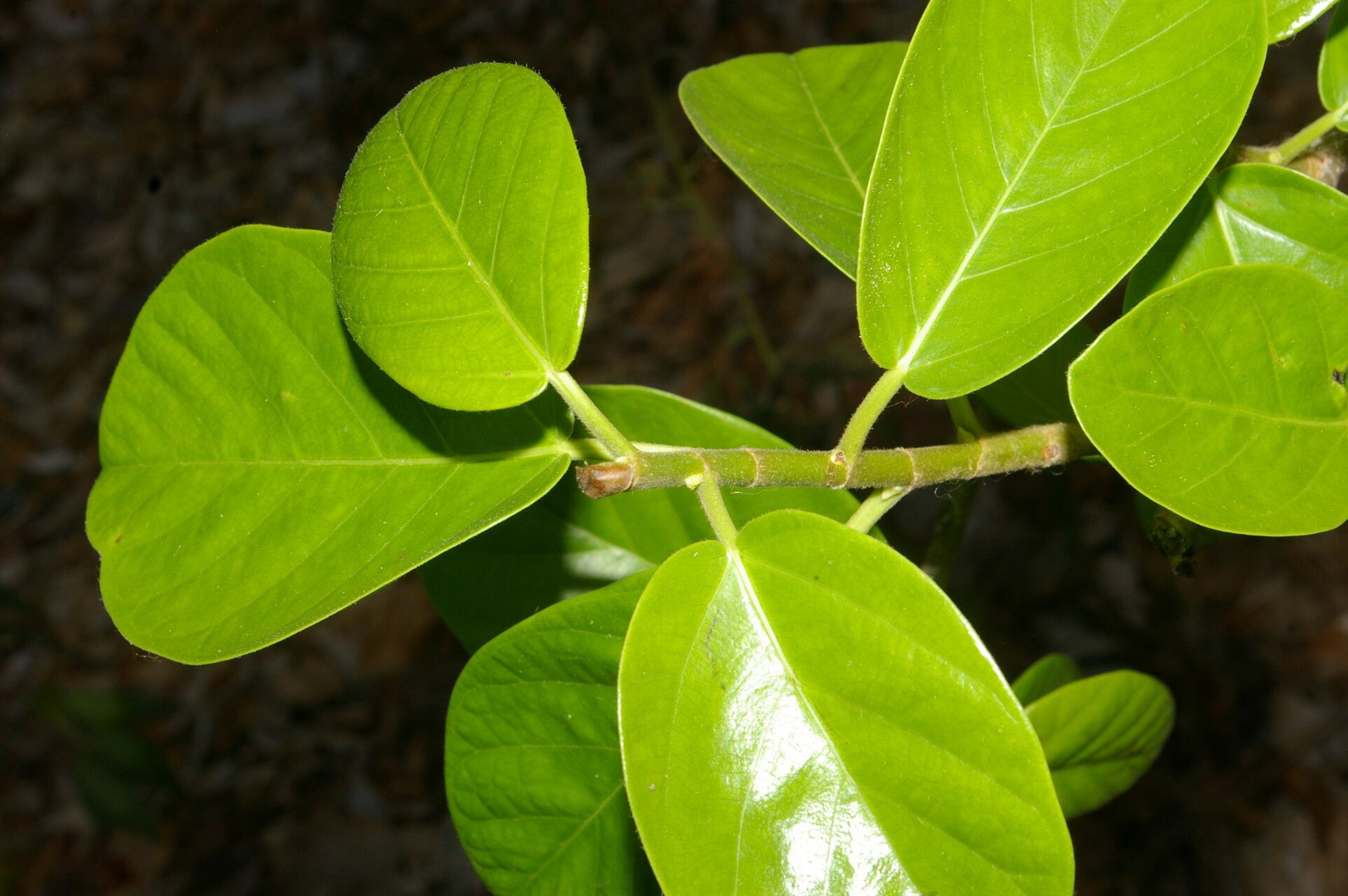
From Cuttings to Canopy: Propagating Your Very Own Ficus Cotinifolia
The Ficus cotinifolia, also known as the “Cotton Leaf Fig” for its distinctive, velvety leaves, is a captivating tropical beauty that brings a touch of the exotic to any garden. But what if you could share this beauty with others, or even expand your own collection? Enter the magical world of plant propagation!
This guide takes you step-by-step through the process of propagating your own Ficus cotinifolia from cuttings. It’s a rewarding experience that not only allows you to grow more of these captivating plants but also deepens your understanding and connection with them.
The Power of Cuttings:
Ficus cotinifolia, like many fig species, is a prolific grower and readily lends itself to propagation through stem cuttings. This method involves taking a section of healthy stem and encouraging it to develop its own root system, eventually becoming a fully independent plant.
Gather Your Supplies:
Before embarking on this exciting journey, gather your essential tools:
- Sharp, Clean Knife or Pruning Shears: This will ensure a clean cut, minimizing the risk of disease.
- Rooting Hormone: Optional, but highly recommended for boosting success rates.
- Potting Mix: A well-draining mix suitable for tropical plants is ideal.
- Small Pots: Choose containers with drainage holes.
- Water: Keep the potting mix consistently moist, but not soggy.
- Clear Plastic Bag or Dome: Creating a humid environment will aid root development.
Selecting the Perfect Cutting:
The key is to choose a healthy, vigorous stem with at least two to three nodes (the points where leaves sprout). The stem should be flexible yet firm, indicating a healthy growth stage.
Taking the Cutting:
- Cut: Carefully cut the stem at a diagonal angle just below a node. This provides a larger surface area for root development.
- Remove Leaves: Remove the lower leaves, leaving only one or two at the top. This minimizes water loss during the rooting process.
- Apply Rooting Hormone (Optional): Lightly dip the cut end of the stem into rooting hormone powder or gel. This encourages root development.
Planting Your Cutting:
- Fill Pot: Fill your pot with potting mix, leaving about an inch of space at the top.
- Make a Hole: Create a hole in the center of the mix using a pencil or finger.
- Insert Cutting: Gently place the cut end of the stem into the hole, ensuring that at least one node is below the soil level.
- Firmly Pack: Gently press the soil around the cutting to secure it in place.
- Water: Water thoroughly, allowing excess water to drain.
Creating a Humid Environment:
Placing your potted cutting inside a clear plastic bag or covering it with a clear dome will create a humid environment, mimicking the conditions of a tropical rainforest. This will help the cutting retain moisture and develop roots faster.
Patience and Consistency:
The most crucial part of successful propagation is patience and consistency. Keep the potting mix consistently moist, but not soggy, and maintain a warm and bright, but not direct, location. With a little care, you should begin to see new growth within a few weeks to a month.
The Journey Continues:
Once your Ficus cotinifolia cutting has developed a sturdy root system, you can gradually acclimate it to outdoor conditions by removing the plastic dome or bag for progressively longer periods. Once it’s thriving in its new environment, repot it into a larger pot with fresh potting mix.
Sharing the Beauty:
Propagating your own Ficus cotinifolia is a rewarding experience that not only gives you more of this stunning plant but also allows you to share its beauty with others. So go on, experiment, and watch your cuttings transform into vibrant, thriving plants that will bring a touch of the tropics to your life!