
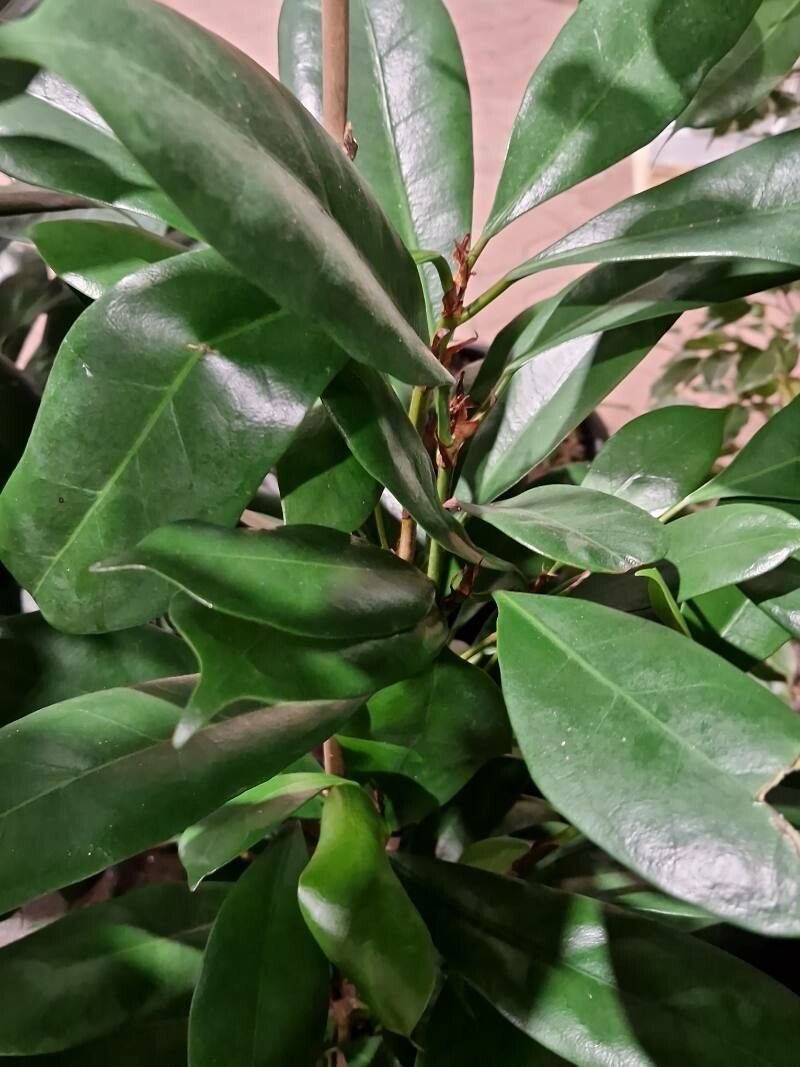
Unlocking the Secrets of Ficus Cyathistipula Propagation: Grow Your Own African Fig Tree
The Ficus cyathistipula, also known as the African fig tree, is a captivating plant with lush, deep green foliage and an elegant, branching habit. While its beauty and resilience make it a popular houseplant, many shy away from propagating this stunning fig. Fear not, fellow plant lovers! This guide will demystify the process and empower you to grow your own Ficus cyathistipula with confidence.
Understanding Propagation Methods
There are two primary methods for propagating Ficus cyathistipula:
1. Stem Cuttings: This popular and relatively simple method involves taking a cutting from a healthy, mature plant and encouraging it to develop roots.
2. Air Layering: A more advanced technique, air layering involves promoting root growth on a stem while it’s still attached to the parent plant.
Step-by-Step Guide to Propagation by Stem Cuttings
Materials you’ll need:
- A healthy Ficus cyathistipula plant
- Sharp, sterilized pruning shears or scissors
- Rooting hormone (optional but recommended)
- Small pots or seedling trays
- Well-draining potting mix
- Water
- Plastic wrap or humidity dome (optional)
Instructions:
- Take the Cutting: Choose a healthy stem that’s approximately 4-6 inches long and has several leaves. Use your sterilized shears to make a clean cut just below a leaf node. Remove any leaves from the bottom two inches of the cutting.
- Apply Rooting Hormone (Optional): Dip the cut end of the stem in rooting hormone to encourage faster and more successful root development.
- Pot the Cutting: Fill your pots or trays with a well-draining potting mix. Make a small hole in the center of the mix and gently insert the cutting, ensuring the bottom nodes are covered with soil.
- Provide the Right Environment: Water the cutting thoroughly and place it in a warm, bright location, out of direct sunlight. To increase humidity, you can cover the cutting with a plastic wrap or humidity dome.
- Be Patient: Rooting can take several weeks to a few months. Check the moisture level regularly and keep the soil consistently moist but not waterlogged.
- Transplanting: Once roots have developed and new growth appears, you can transplant your cutting into a larger pot.
Air Layering: A More Advanced Approach
Air layering is a rewarding method for propagating larger, more established plants. It involves making a small wound on a healthy branch and encouraging roots to develop directly on the stem while it’s still attached to the parent plant.
The process involves:
- Selecting a branch: Choose a healthy branch that is at least 1/2 inch in diameter.
- Wounding the branch: Make a small, upward-facing cut about 1-2 inches long on the branch. Apply rooting hormone to the wounded area.
- Wrapping with Sphagnum moss: Surround the wounded area with damp sphagnum moss and wrap it securely with plastic wrap or aluminum foil.
- Maintaining moisture: Keep the moss consistently moist until roots develop, which can take several weeks or months.
- Separating the layer: Once a healthy root system has formed, cut the branch below the newly developed roots and pot it in a well-draining potting mix.
Tips for Success:
- Always use clean and sterilized tools to prevent infection.
- Choose healthy, vigorous stems or branches for propagation.
- Provide warmth, humidity, and indirect light to encourage root growth.
- Be patient and persistent! Propagation takes time and effort but the rewards are worth it.
With patience and care, you can propagate your own Ficus cyathistipula and enjoy the satisfaction of watching your new plants flourish!