
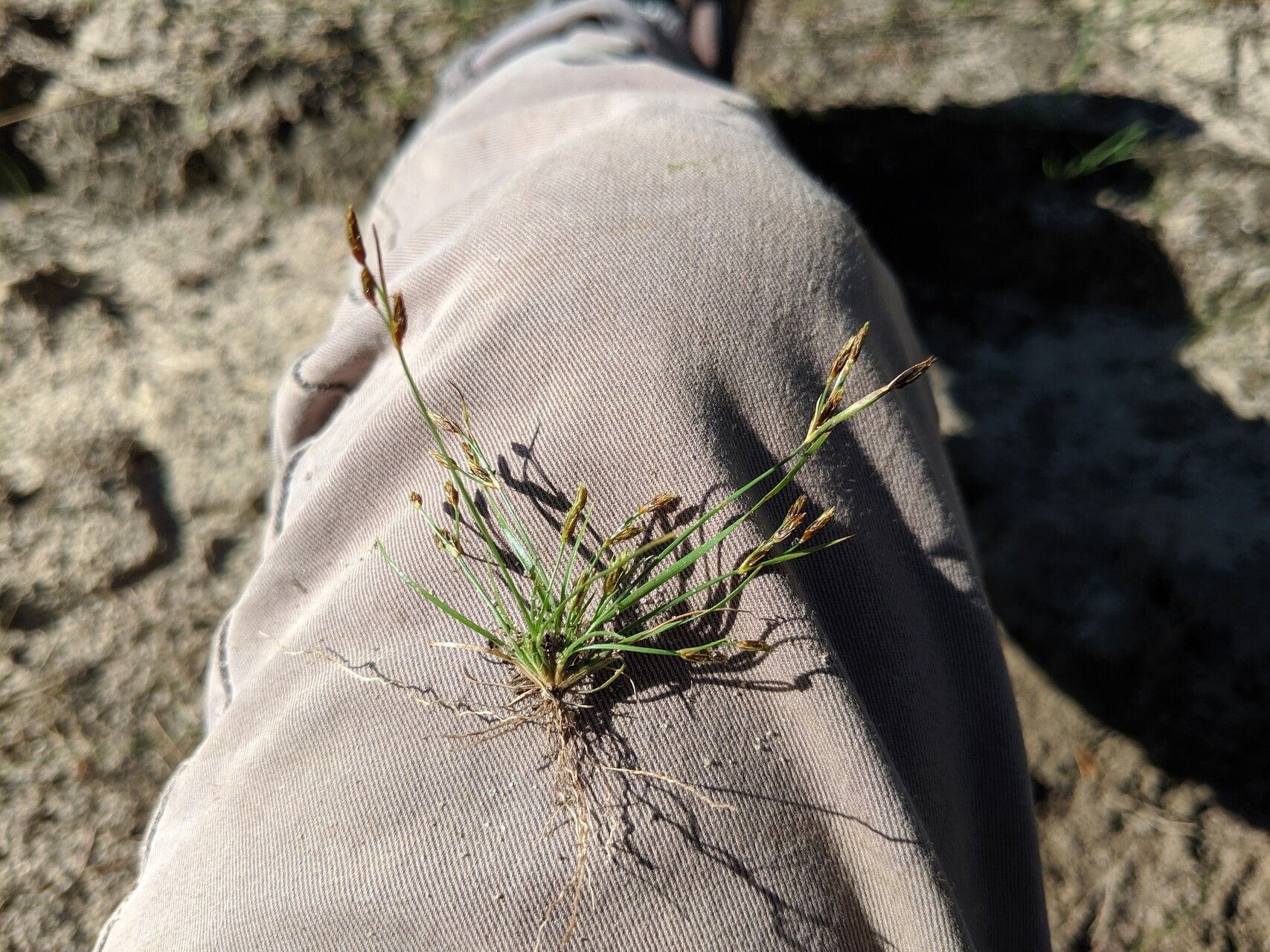
Autumn in a Pot: Multiply Your Fimbristylis Autumnalis with Ease
Fimbristylis autumnalis, also known endearingly as the “slender fimbry,” might not be the first plant that comes to mind when you think “ornamental grass,” but don’t let its understated elegance fool you. This North American native, with its delicate, airy seed heads bobbing gracefully on wiry stems, packs a punch when it comes to visual interest, especially in the fall when its foliage transforms into a captivating tapestry of bronze and gold.
But the best part? Sharing the beauty of Fimbristylis autumnalis with fellow plant lovers is surprisingly easy! Let’s delve into the world of propagation and learn how to multiply your slender fimbry with minimal fuss.
Division: The Gift That Keeps on Giving
When it comes to Fimbristylis autumnalis, division reigns supreme as the simplest and most effective method of propagation. This technique involves digging up an established clump, gently teasing apart the roots, and replanting the divisions.
Here’s how it’s done:
- Timing is Key: Early spring is the ideal time to divide your Fimbristylis autumnalis, just as new growth begins to emerge.
- Dig Deep: Carefully loosen the soil around the base of the plant with a garden fork or shovel, ensuring you dig wide enough to avoid damaging the roots.
- Gentle Separation: Lift the entire clump from the ground and gently shake off excess soil. Using your hands or a sharp, clean knife, carefully divide the clump into smaller sections, each with a healthy root system and several shoots.
- Replant and Thrive: Prepare new planting holes in your chosen location, ensuring well-draining soil and adequate sunlight. Plant your divisions at the same depth they were previously growing, water thoroughly, and keep the soil consistently moist until established.
Seeding: Embracing the Element of Surprise
While division guarantees a clone of your original plant, propagating Fimbristylis autumnalis from seed offers an element of surprise and the potential for variations in foliage color and growth habit.
The Seed Route:
- Seed Collection: As the seed heads mature and begin to dry in late summer or early fall, carefully snip them off and place them in a paper bag to dry completely.
- Sowing Time: You can sow the seeds directly outdoors in the fall or start them indoors in late winter.
- Creating the Ideal Nursery: Fill seed trays or pots with a seed-starting mix and sow the seeds on the surface, pressing them in lightly. Mist with water and cover loosely with plastic to maintain humidity.
- Patience is a Virtue: Seedlings can be slow to emerge, so be patient and keep the soil consistently moist. Once the seedlings have developed several true leaves, transplant them into individual pots or outdoors after the last frost.
Enjoying the Fruits (Or Rather, Grasses) of Your Labor
Whether you choose the reliable route of division or embrace the adventure of seed propagation, multiplying your Fimbristylis autumnalis is a rewarding endeavor. Soon, you’ll be graced with an abundance of these charming grasses, adding texture, movement, and a touch of autumnal magic to your garden for years to come.