
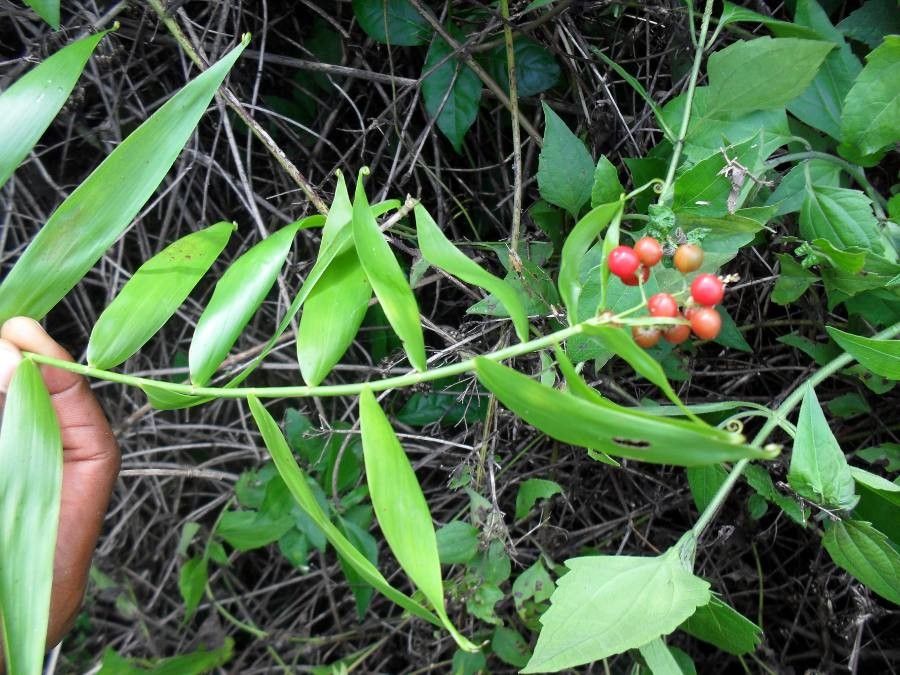
Taming the Tropical Climber: Propagating Flagellaria guineensis
The Flagellaria guineensis, also known as the Climbing Bamboo or Whip Flagellaria, is a captivating plant that adds a touch of tropical elegance to any space. This climbing wonder, native to Africa, Asia, and Australia, features long, bamboo-like stems, vibrant green leaves, and delicate, white flowers.
If you’re lucky enough to have this beauty in your collection or are considering welcoming it into your home, you might be curious about propagating this unique species. While it requires a bit of patience and a green thumb, propagating Flagellaria guineensis is definitely achievable. Let’s explore the two most common methods:
Method 1: Stem Cuttings
Stem cuttings offer a relatively straightforward way to propagate. Here’s how:
Timing is Everything: Spring or early summer, when the plant is actively growing, is the ideal time to take cuttings. This ensures the highest chance of success.
Selecting the Right Cuttings: Look for healthy, mature stems that are not too woody. Aim for cuttings around 6-8 inches long, with at least two nodes (small bumps where leaves emerge).
Preparing the Cuttings: Using a sharp, sterilized knife or pruning shears, cut just below a node at a slight angle. Remove any leaves from the lower half of the cutting to prevent rotting.
Encouraging Root Development: While optional, dipping the cut end in rooting hormone powder can encourage faster and stronger root development.
Planting and Patience: Plant your cuttings in a well-draining potting mix, burying at least one node below the surface. Water thoroughly and place the cuttings in a warm, humid environment with indirect sunlight. Avoid direct sunlight, which can scorch the developing roots.
- Nurturing Growth: Maintain consistent moisture, allowing the soil to slightly dry out between waterings. New growth should appear in a few weeks, indicating successful rooting.
Method 2: Division
For established plants, division offers a rewarding yet slightly more involved propagation method:
Timing Matters: As with cuttings, spring or early summer, during the plant’s active growth period, is the best time for division.
Careful Removal: Gently remove the entire plant from its pot. Using clean hands or a sterilized tool, carefully separate the root system into smaller sections, ensuring each section has at least one healthy stem and a good portion of roots.
Potting the Divisions: Plant each division in a well-draining potting mix, choosing pot sizes appropriate for the size of the divisions. Water thoroughly and place them in a location similar to that of the parent plant.
- Post-Division Care: Maintain consistent moisture and monitor the divisions closely for signs of stress, such as wilting or leaf discoloration. Adjust your care routine as needed to address any issues.
Propagating Flagellaria guineensis, while requiring some effort, is a highly rewarding experience. With patience and the right techniques, you can multiply your collection of this stunning climbing beauty and share its unique charm with fellow plant enthusiasts.