
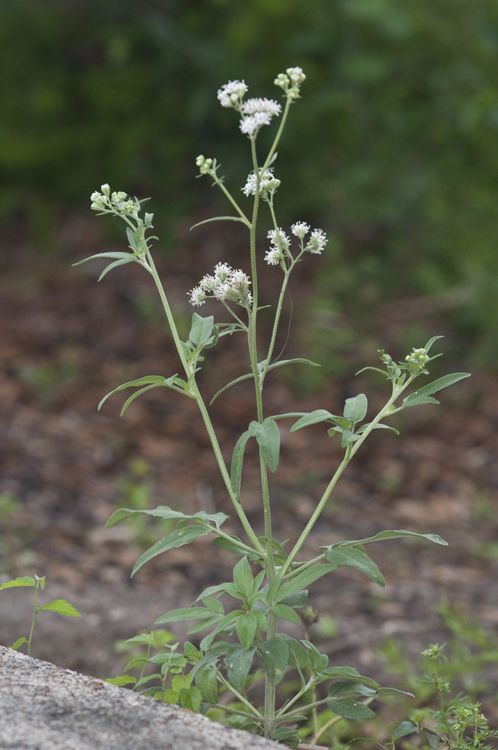
Unveiling the Secrets of Florestina Tripteris Propagation: A Step-by-Step Guide
Florestina tripteris, with its charming daisy-like flowers and feathery foliage, is a delightful addition to any garden. Native to Texas and parts of Mexico, this drought-tolerant beauty, also known as Lorrain’s Daisy or Texas Daisy, can brighten up your landscape with vibrant splashes of yellow. But did you know that sharing the joy of Florestina tripteris with fellow plant enthusiasts is surprisingly easy? Let’s delve into the world of propagating this resilient and rewarding plant!
Two Paths to Propagation: Seeds and Cuttings
Florestina tripteris generously offers two primary methods of propagation:
1. Seed Starting: A Journey From Tiny Specks to Blooming Beauties
- Timing is Key: Spring is the ideal time for sowing Florestina tripteris seeds directly into your garden beds. The soil should have warmed up after the last frost, providing a welcoming environment for germination.
- Sowing the Seeds: Gently sprinkle the seeds over well-drained soil, lightly pressing them into the surface. Remember, these seeds thrive in sunlight, so avoid burying them too deep.
- Patience is a Virtue: While Florestina tripteris seeds are relatively quick to germinate, usually within 2-3 weeks, maintaining consistent moisture is crucial during this period.
- Thinning the Herd: Once the seedlings emerge and develop a few sets of true leaves, thin them out to ensure proper spacing for optimal growth, leaving the strongest plants to flourish.
2. Propagating with Cuttings: Cloning Your Floral Favorites
- The Cutting Edge: During the active growing season in spring or early summer, take 4-6 inch cuttings from healthy, non-flowering stems. Using a sharp, sterilized knife or pruning shears is essential to prevent the introduction of diseases.
- Hormonal Boost: Dip the cut end of each stem in rooting hormone powder to encourage rapid root development. This step, while not mandatory, significantly increases the success rate.
- Creating the Perfect Nursery: Plant the cuttings in a well-draining potting mix, ensuring the bottom node (where leaves emerge) is buried in the soil.
- Humidity is Key: Cover the cuttings with a plastic bag or humidity dome to create a warm, moist environment that promotes rooting.
- Patience and Observation: It may take several weeks for the cuttings to develop roots. Once you see new growth, you’ll know your propagation was successful! You can then transplant the rooted cuttings into individual pots or directly into your garden.
Essential Tips for Success
- Sunlight is Your Ally: Florestina tripteris thrives in full sun, so choose a location that receives at least 6 hours of direct sunlight daily.
- Drainage is Crucial: These drought-tolerant beauties prefer well-drained soil. Amend heavy clay soils with compost or other organic matter to improve drainage and prevent root rot.
- Water Wisely: While drought-tolerant, regular watering, especially during the first year of establishment, is essential for healthy growth. Once established, water deeply but infrequently, allowing the soil to dry out slightly between waterings.
Propagating Florestina tripteris is a rewarding experience, allowing you to multiply your floral bounty and share the joy of these cheerful daisies with friends and family. With a little patience and care, you’ll be well on your way to cultivating a vibrant garden brimming with these beautiful Texas natives!