
Taming the Tarbush: A Guide to Propagating Flourensia cernua
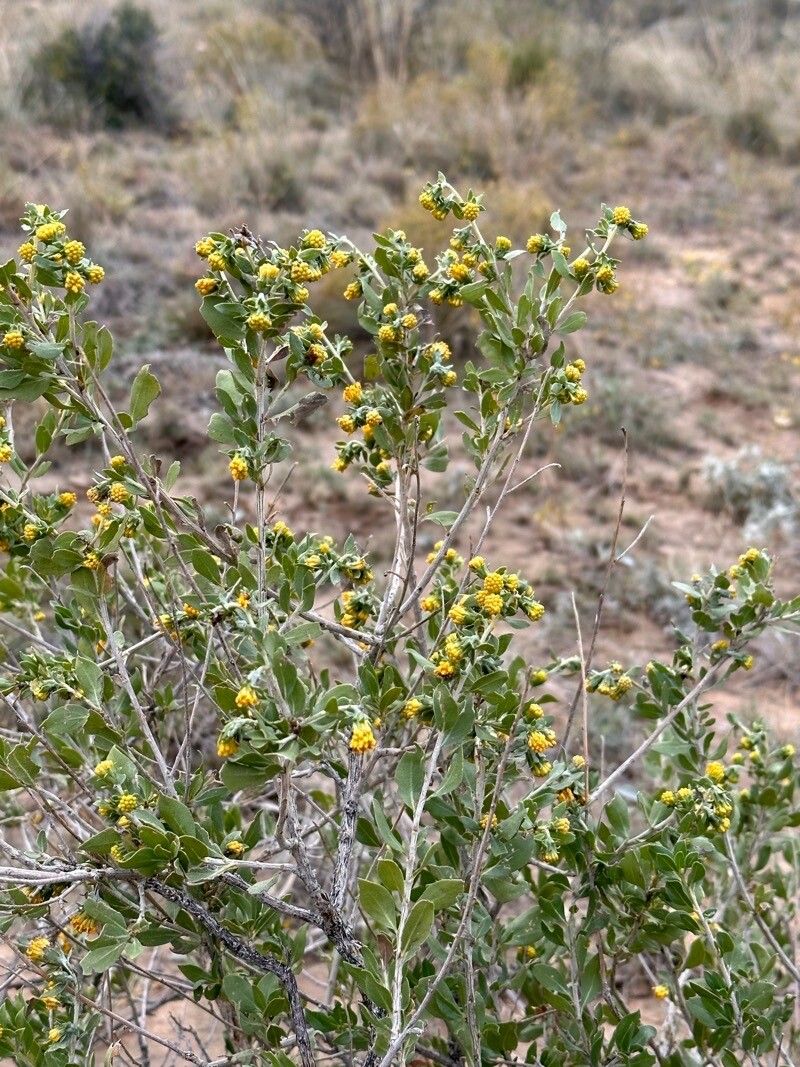
The Flourensia cernua, more affectionately known as tarbush, might not be the showiest plant in your garden, but its resilience and unique beauty make it a fascinating addition to any arid landscape. This North American native, with its resinous, aromatic leaves and sunny yellow blossoms, is a master of survival in harsh conditions. If you’re interested in inviting this hardy survivor into your garden, understanding its propagation is key.
Tarbush propagation can be achieved through two primary methods:
1. Seed Propagation:
- Timing is Everything: Collect seeds in late summer or early fall when the small, brown achenes are mature. You’ll recognize them by their single pappus, a feathery appendage that aids in wind dispersal.
- Break Dormancy’s Grip: Tarbush seeds, like many desert dwellers, exhibit dormancy. To increase germination rates, you’ll need to mimic nature’s tricks. A period of cold stratification is often effective. This involves storing the seeds in a moist medium (like sand or vermiculite) in your refrigerator for 4-6 weeks.
- Sowing the Seeds: Once stratified, sow the seeds in well-draining soil, lightly pressing them into the surface. Remember, tarbush hates “wet feet” so avoid overwatering.
- Patience is a Virtue: Germination can take several weeks to a few months, so don’t despair if you don’t see sprouts immediately. Once seedlings emerge and grow a few inches tall, thin them to provide adequate spacing for root development.
2. Propagation from Cuttings:
- Choosing the Right Material: Semi-hardwood cuttings, taken from healthy, mature stems in late spring or early summer, offer the best chance of success.
- Creating the Cuttings: Use sharp, sterilized pruning shears to make clean cuts just below a leaf node. Remove leaves from the lower third of the cutting to prevent rot.
- Hormonal Boost: While not strictly necessary, dipping the cut end in a rooting hormone powder can significantly improve the success rate, especially for challenging-to-root species like tarbush.
- Planting and Patience: Plant the cuttings in a well-draining rooting medium, ensuring the leaf nodes are buried. Maintain consistent moisture but avoid overwatering. Rooting can take several weeks, so patience is key.
Tips for Success:
- Sun Worshipper: Tarbush thrives under the scorching desert sun. Ensure your seedlings or cuttings receive at least 6 hours of direct sunlight daily.
- Water Wisely: Remember, this plant is built for drought. Once established, tarbush is remarkably water-wise. Water deeply but infrequently, allowing the soil to dry out completely between waterings.
- Tough Love, Gentle Touch: Tarbush is surprisingly low-maintenance. Avoid over-fertilizing, as this can hinder root development and make the plant more susceptible to pests and diseases.
Propagating Flourensia cernua might require a little more patience and finesse compared to other garden favorites. But the reward of cultivating this tenacious and beautiful plant, perfectly adapted to challenging conditions, is well worth the effort. So, channel your inner desert gardener and watch as your tarbush flourishes, adding a touch of resilience and unique beauty to your landscape.