
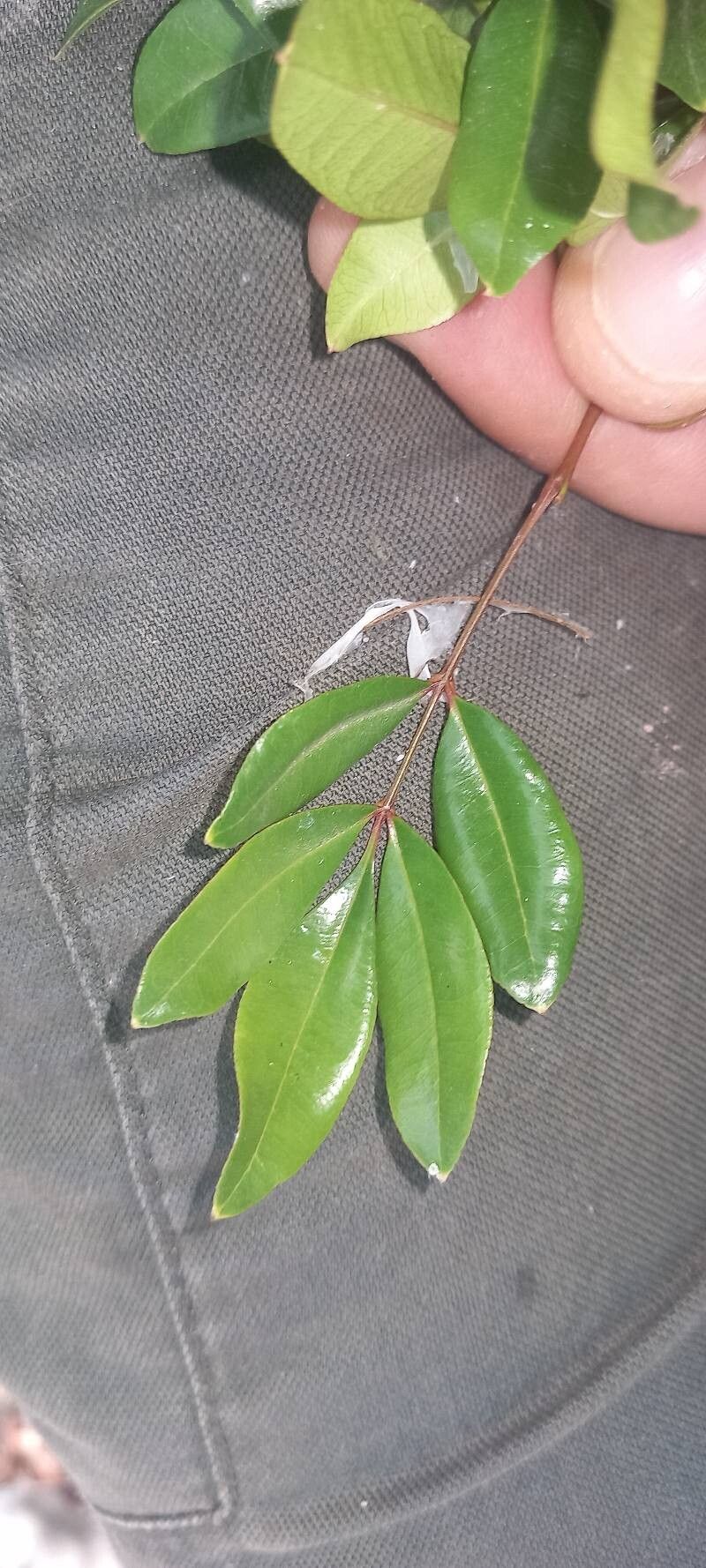
From Seed to Shade: A Guide to Propagating Forestiera Eggersiana
Forestiera eggersiana, also known as Texas ash or Little-leaf ash, is a hardy and adaptable tree often chosen for its drought-tolerant nature, attractive foliage, and ability to provide shade. If you’re looking to add this beautiful tree to your landscape, you might be wondering – how do you get more of these awesome trees? The answer: propagation!
The Power of Propagation
Propagation refers to the process of creating new plants from existing ones. It’s a rewarding experience that allows you to expand your garden and share your passion with others. Here, we’ll explore two common methods for multiplying your Forestiera eggersiana: from seed and through cuttings.
1. Starting from Seed
- Gathering the Seeds: The first step is to collect ripe seeds from mature Forestiera eggersiana trees in the fall. Look for dark, fleshy fruits, and carefully extract the seeds.
- Seed Preparation: Rinse the seeds thoroughly to remove any pulp, and allow them to air dry completely. This step helps prevent fungal growth during storage.
- Stratification: Forestiera eggersiana seeds require a period of cold stratification to break dormancy. This mimics the natural winter conditions the seeds experience in their wild environment.
- Cold Moist Stratification: Mix the seeds with a damp, well-draining medium like vermiculite or peat moss. Place the mixture in a sealed plastic bag and store it in the refrigerator for 2-4 months.
- Direct Sowing: In mild climates, you can directly sow the seeds outdoors in the fall. Let the winter cold do its work, and seeds will likely germinate in the spring.
- Planting: Once the stratification period is complete, sow the seeds in a seed tray or pot filled with a well-drained seed starting mix. Cover the seeds with a thin layer of soil and water thoroughly.
- Germination: Keep the soil moist and maintain a temperature of approximately 70°F for optimal germination. Forestiera eggersiana seeds typically germinate within a few weeks to a few months.
2. Taking Cuttings
- Timing is Key: The best time to take cuttings is in the late spring or early summer when the current year’s growth is semi-hardwood, meaning it’s firm but still flexible.
- Cut Selection: Choose healthy, disease-free stems that have a diameter of about ¼ inch. Use sharp pruning shears to make clean cuts below a node (where leaves grow).
- Preparing the Cuttings: Remove the leaves from the bottom 2-3 inches of the cutting and dip the cut end in rooting hormone. This helps stimulate root development.
- Potting Up: Plant the cuttings in a pot filled with a well-draining potting mix. Ensure the rooting hormone doesn’t come into contact with the potting mix.
- Create a Greenhouse Environment: To encourage successful rooting, cover the cuttings with a plastic dome or bag to create a humid environment. Place the pot in a location with bright, indirect light.
- Patience is a Virtue: Forestiera eggersiana cuttings usually take several weeks to root. Monitor the moisture levels and mist them regularly to maintain humidity.
Tips for Success
- Use a well-draining potting mix. Forestiera eggersiana trees are prone to root rot in heavy, soggy soils.
- Provide adequate sunlight. These trees thrive in full sun to partial shade conditions.
- Water regularly, especially during the first year after planting. Once established, they become relatively drought-tolerant.
- Fertilize young trees in the spring with a balanced fertilizer.
Enjoy the Fruits of Your Labor
Propagating Forestiera eggersiana is a rewarding process that lets you enjoy the beauty of this versatile tree while expanding your gardening skills. Whether you choose to start from seed or take cuttings, remember that patience and a little care will go a long way in nurturing these beautiful trees for years to come.