
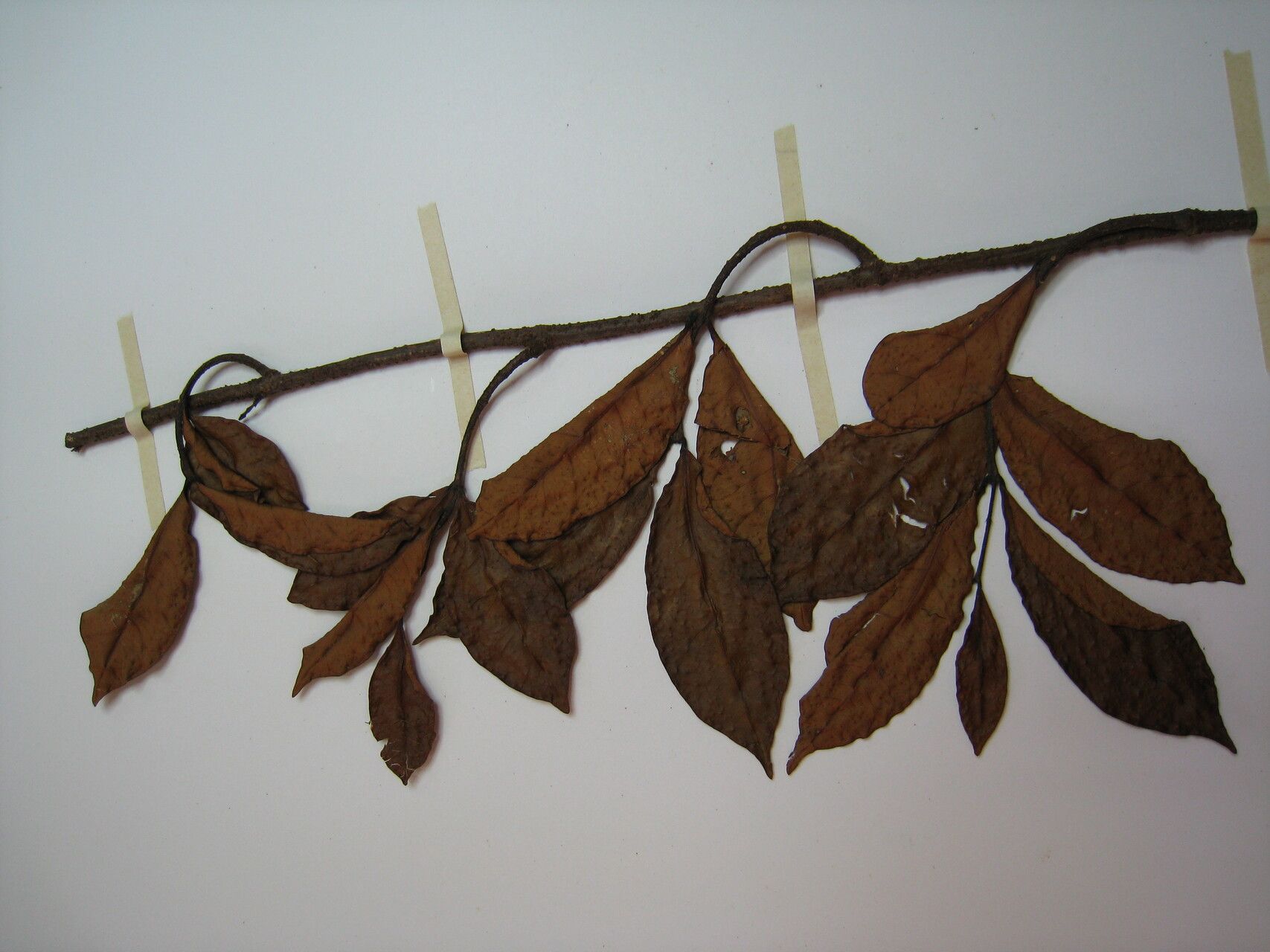
Taming the Tropical Twister: Propagation Techniques for Forsteronia acouci
The world of houseplants is wonderfully diverse, offering lush greenery and intriguing forms to brighten our homes. For those seeking a touch of the exotic, the Forsteronia acouci, a.k.a. the “Acoui” or “Milkvine,” is an alluring option. This climbing vine boasts glossy, deep green leaves and fascinating twisted seed pods, bringing a taste of the tropical rainforest indoors. But taming this jungle beauty requires understanding its propagation needs. So, let’s unravel the secrets to successfully growing new Forsteronia acouci plants.
Understanding the Acoui:
Originating from Central and South America, the Acoui is a vigorous grower in its natural habitat, using its twining stems to climb towards the sun. While it can produce small, fragrant flowers in ideal conditions, it’s primarily grown for its attractive foliage and unique seed pods.
Forsteronia acouci can be propagated through two primary methods, each with its own advantages:
1. Stem Cuttings:
This is the most common and arguably easiest method for propagating Acoui.
- Timing is Key: Spring and early summer, during the plant’s active growth phase, offer the highest chances of success.
- Making the Cut: Use a clean, sharp knife or pruning shears to take cuttings about 4-6 inches long. Ensure each cutting has at least 2-3 nodes (the small bumps on the stem where leaves emerge). Remove the lower leaves, leaving only a couple at the top.
- Rooting Hormone (Optional): Dipping the cut end in rooting hormone powder can encourage faster and more successful root development.
- Planting Medium: A well-draining potting mix is crucial. A blend of peat moss, perlite, and vermiculite works well.
- Creating Humidity: Humidity is essential for successful rooting. Place the pot in a propagator or cover it with a clear plastic bag to create a humid environment.
- Location, Location, Location: Choose a warm, bright spot, but avoid direct sunlight, which can scorch the delicate cuttings.
- Patience is a Virtue: Keep the soil consistently moist but not waterlogged. It can take several weeks for roots to develop. Once new growth appears, you’ll know your cutting has successfully rooted.
2. Seeds:
While less common, propagating from seed offers a rewarding challenge for the patient gardener.
- Source Matters: Seeds can be harvested from the plant’s twisted pods once they have dried and split open, or they can be purchased from reputable suppliers.
- Sowing the Seeds: Use a well-draining seed starting mix and lightly press the seeds into the surface.
- Warmth and Light: Like cuttings, seeds require warmth and bright, indirect light for germination. A heat mat can be beneficial.
- Germination Time: Be patient, as Acoui seeds can take several weeks to sprout.
- Transplanting: Once seedlings have developed a few sets of true leaves, they can be carefully transplanted into individual pots.
Caring for Your New Acoui:
Whether you’ve propagated from cuttings or seeds, young Acoui plants need:
- Bright, indirect light: Direct sunlight can scorch their leaves.
- Consistent moisture: Keep the soil evenly moist but avoid overwatering.
- Warm temperatures: They thrive in temperatures between 65-80°F (18-27°C).
- Support to climb: Provide a moss pole, trellis, or other support structures for the vine to climb.
Propagating Forsteronia acouci requires a touch of patience and the right conditions. But with a little care and attention, you’ll be rewarded with new plants that bring a touch of the tropics into your home. So, why not embrace the challenge and try your hand at propagating this fascinating vine?