
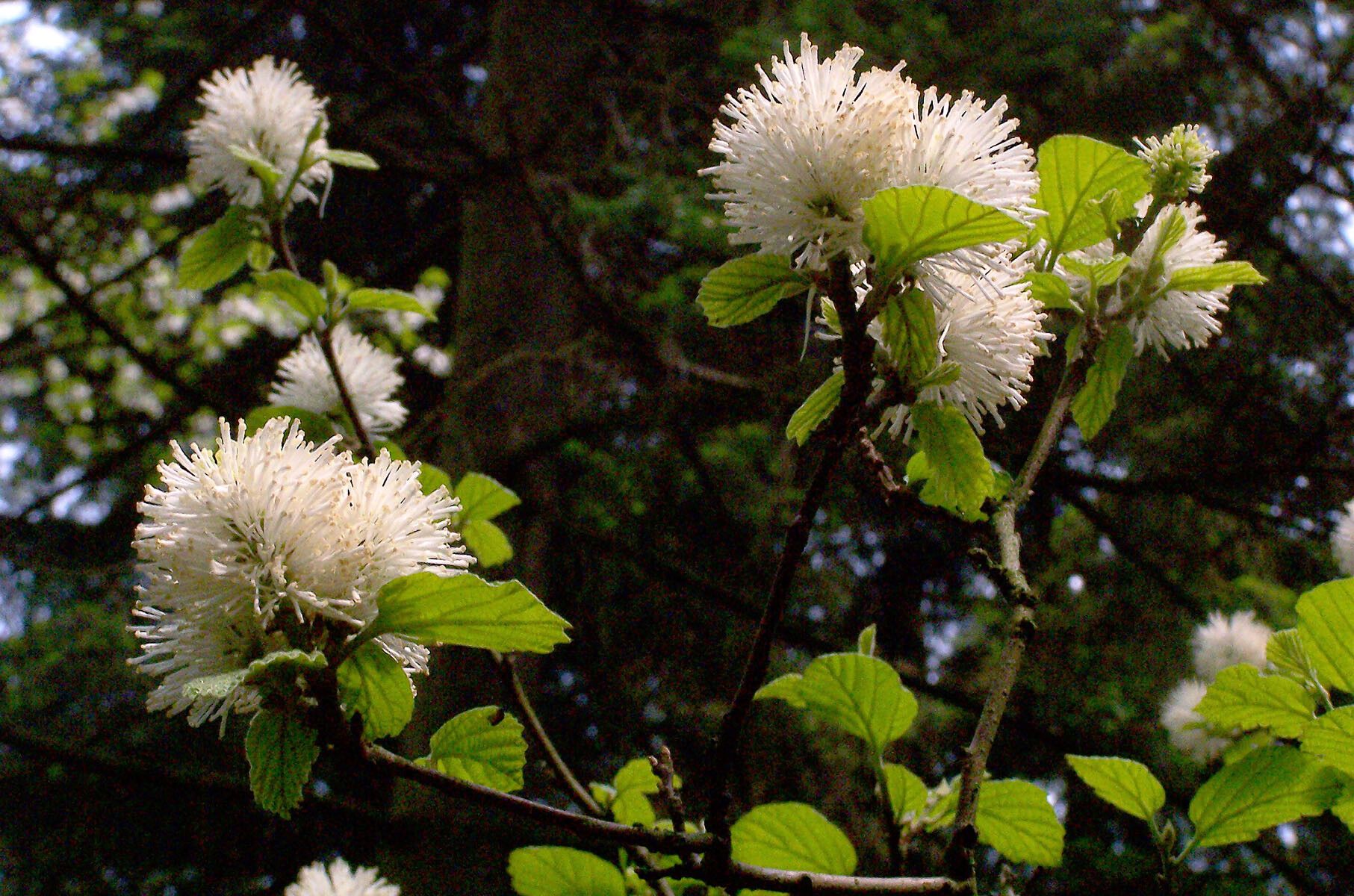
From One to Many: Propagating the Show-Stopping Fothergilla latifolia
The Fothergilla latifolia, also known as the Witch Alder or Dwarf Fothergilla, is a captivating shrub that brightens any landscape with its dazzling foliage and fragrant blooms. But did you know you can easily multiply this beauty and share its charm with others? That’s right, propagating Fothergilla latifolia is a rewarding and achievable endeavor, even for beginner plant enthusiasts.
The Magic of Propagation:
Propagation allows us to create new plants from existing ones, offering a cost-effective and eco-friendly way to expand our gardens. It’s also a fascinating way to connect with nature and witness the miracle of new life springing forth. Fothergilla latifolia can be propagated through several methods, each with its own advantages:
This method involves taking cuttings from new, semi-woody growth during the early summer months. Here’s how:
- Choose your cuttings: Select healthy, vigorous stems with a diameter of about pencil thickness.
- Make the cut: Remove a 4-6 inch section of the stem, slicing just below a leaf node.
- Prepare the cutting: Remove all but the top two leaves, and pinch back the tips.
- Planting: Dip the cut end of the stem in rooting hormone and plant it in a pot filled with moist, well-draining potting mix.
- Care: Keep the cuttings in a shady, humid environment, misting them regularly to maintain moisture.
2. Hardwood Cuttings:
This technique involves taking cuttings from mature, dormant wood in late fall or early winter.
- Prepare the cuttings: Cut 6-8 inch sections of dormant wood just below a bud.
- Planting: Plant the cuttings in a pot filled with a gritty potting mix, ensuring the bud is above the soil line.
- Winter storage: Place the pots in a cold frame or a partially buried location outdoors to allow the cuttings to root over winter.
3. Layering:
This method involves encouraging roots to develop on existing stems while they are still attached to the parent plant.
- Select a stem: Choose a healthy, flexible stem near the ground.
- Bend and bury: Bend the stem towards the ground and bury a section of it in the soil, securing it with a rock or wire.
- Wait for roots: Once roots have developed, you can carefully sever the rooted stem from the parent plant.
4. Division:
This method works best for mature, multi-stemmed Fothergillas, allowing you to separate and replant individual stems.
- Choose the right time: Divide the plant in early spring or late fall when it is dormant.
- Carefully separate: Gently pry the plant apart, ensuring each division has a healthy root system and multiple stems.
- Repot or plant: Repot the divisions in individual pots or plant them in your garden.
Tips for Success:
- Choose high-quality potting mix: Opt for a well-draining mix that retains moisture without becoming soggy.
- Sterilize tools: Clean your cutting tools with rubbing alcohol to prevent the spread of disease.
- Provide adequate moisture: Keep the cuttings or divisions consistently moist but not waterlogged.
- Protect from pests and diseases: Be vigilant in monitoring your plants for any signs of pests or diseases.
The Joy of Propagation:
With a little patience and care, propagating Fothergilla latifolia can be a rewarding experience. You’ll not only enjoy the satisfaction of growing your own plants, but you’ll also have the opportunity to share the beauty of this remarkable shrub with friends and family. So, gather your tools, choose your method, and embark on this exciting journey of botanical propagation!