
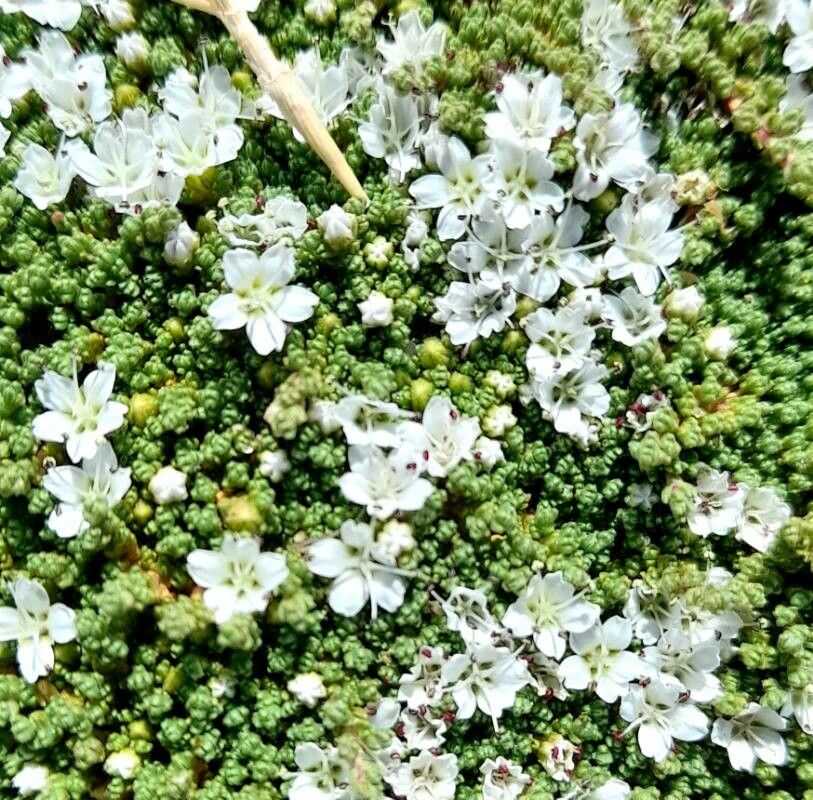
Taming the Sea Heath: A Guide to Propagating Frankenia Triandra
Frankenia triandra, commonly known as sea heath, is a charming little groundcover that brings a touch of coastal charm to gardens. With its delicate pink flowers and salt-tolerant nature, it’s a favorite for rock gardens, borders, and even green roofs. While sourcing established plants is an option, propagating your own Frankenia triandra is a rewarding endeavor that’s easier than you might think. This comprehensive guide will walk you through the two most effective methods:
1. Propagating Frankenia Triandra from Seed:
Collecting and sowing seeds is a cost-effective way to propagate Frankenia triandra, though it requires a bit more patience.
Step 1: Seed Collection and Preparation:
Sea heath typically blooms in summer, producing small, inconspicuous seed capsules. Once the capsules turn brown and dry, carefully collect them and store them in a cool, dry place. Gently crush the capsules to release the tiny seeds within.
Step 2: Sowing the Seeds:
- Timing is key: Sow the seeds in late winter or early spring, either indoors or directly into the garden after the last frost.
- Create a suitable environment: Use a well-draining seed starting mix or a mixture of peat moss and perlite. Moisten the mix before sowing.
- Sow with care: Sprinkle the seeds thinly over the surface, barely pressing them into the mix. Frankenia seeds need light to germinate.
- Provide warmth and humidity: Cover the container with a plastic dome or wrap to retain moisture and place it in a warm, bright location. The ideal temperature for germination is between 65-75°F (18-24°C).
Step 3: Germination and Transplanting:
- Patience is a virtue: Germination can take anywhere from a few weeks to a couple of months. Keep the soil consistently moist but not waterlogged.
- Welcome the seedlings: Once the seedlings emerge and have a few sets of true leaves, thin them out to give them space to grow.
- Time to transplant: Harden off the seedlings gradually before transplanting them into their permanent location in late spring or early summer. Choose a sunny spot with well-draining soil.
2. Propagating Frankenia Triandra from Cuttings:
Taking cuttings is a quicker method for propagating sea heath and ensures that the new plants retain the characteristics of the parent plant.
Step 1: Taking the Cuttings:
- Choosing the right time: The best time to take cuttings is in late spring or early summer, when the plant is actively growing.
- Select healthy stems: Choose non-flowering, healthy stems that are about 3-4 inches (7-10cm) long.
- Make clean cuts: Using a sharp, sterilized knife or pruning shears, cut just below a leaf node.
Step 2: Preparing the Cuttings:
- Remove lower leaves: Strip off the leaves from the bottom inch or two of the stem. This will prevent them from rotting in the soil.
- Wound the cutting (optional): Lightly scratching or scraping the bottom inch of the stem can promote root development.
- Apply rooting hormone (optional): Dipping the cut end in rooting hormone can encourage faster and more reliable rooting.
Step 3: Planting and Caring for the Cuttings:
- Creating a suitable medium: Plant the cuttings in a well-draining rooting mix, such as a blend of peat moss and perlite.
- Provide a humid environment: Cover the pot with a plastic bag or use a propagation dome to create a humid environment.
- Keep the soil moist: Water lightly and consistently, ensuring the rooting medium remains moist but not waterlogged.
- Be patient: Within a few weeks, the cuttings should develop roots. Gently tug on them to check for resistance, which indicates successful rooting.
Step 4: Transplanting:
- Gradual acclimatization: Once the cuttings have rooted, gradually acclimatize them to outdoor conditions before transplanting them into their permanent location in the garden.
Propagating your own Frankenia triandra is an enjoyable and rewarding process that allows you to expand your garden with this lovely, low-maintenance groundcover. Whichever method you choose, with a little care and attention, you’ll soon enjoy a carpet of beautiful sea heath, adding a touch of seaside charm to your landscape.