
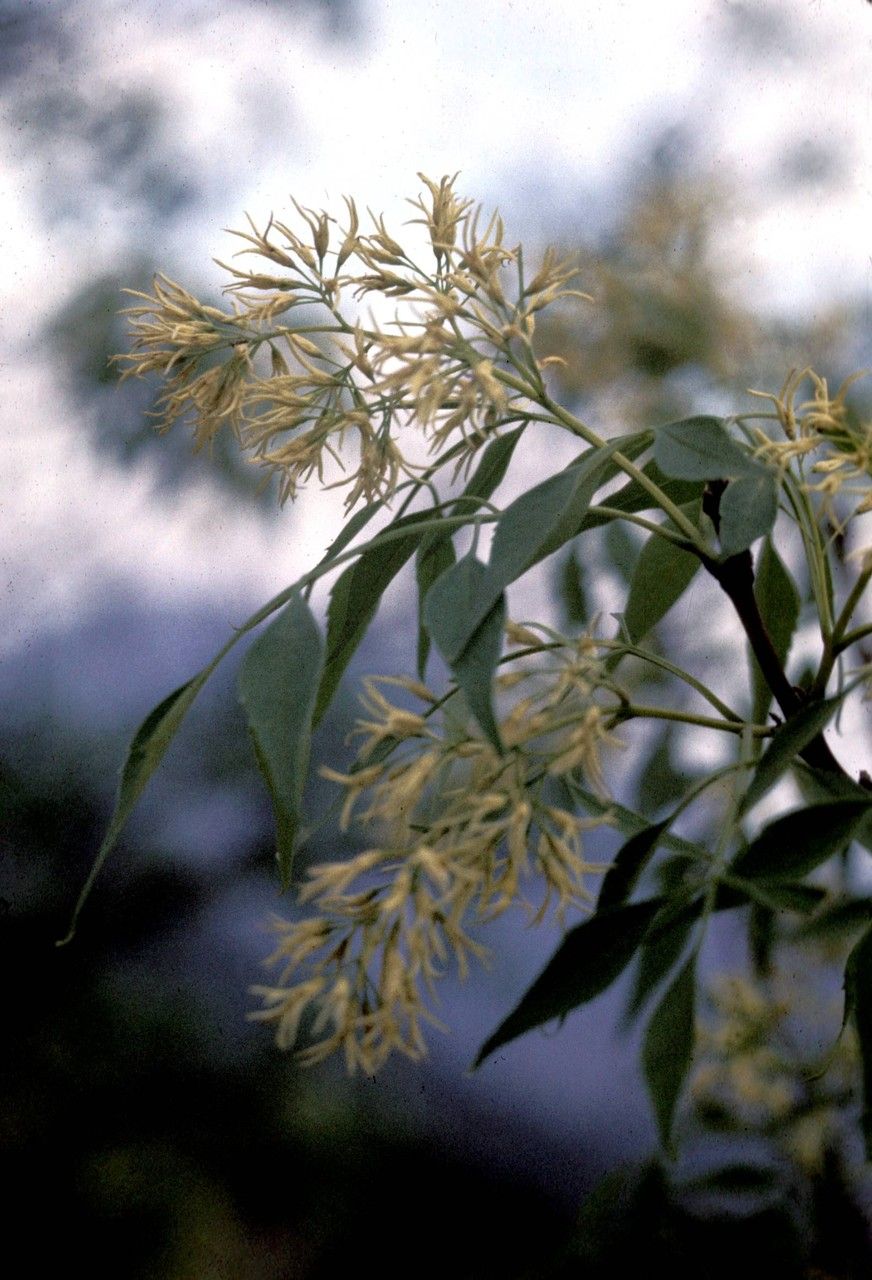
Growing the Fragrant Ash: A Guide to Propagating Fraxinus cuspidata
The Fragrant Ash, known formally as Fraxinus cuspidata, is a delightful tree treasured for its elegant form, vibrant fall foliage, and subtly sweet aroma. Native to parts of Asia and North America, this ash species offers a unique appeal for landscaping and bonsai enthusiasts alike. While sourcing a young Fragrant Ash from a nursery is always an option, propagating your own can be an incredibly rewarding endeavor.
This guide will delve into the most effective methods for propagating Fraxinus cuspidata, empowering you to grow these beautiful trees from scratch.
Method 1: Seed Propagation
Propagating Fragrant Ash from seed is a rewarding, albeit slightly more time-consuming, process. Here’s how to do it:
- Seed Collection and Preparation: Collect mature seeds from a healthy Fragrant Ash tree in the fall. Look for winged seeds (samaras) that have turned brown and dry.
- Cold Stratification: To mimic the natural winter dormancy period, place the seeds in a sealed plastic bag with slightly dampened vermiculite or peat moss. Store this bag in the refrigerator (around 40°F) for 60-90 days.
- Sowing: Once the stratification period is complete, sow the seeds in a seed-starting mix. Plant them about ½ inch deep and water gently.
- Care and Germination: Keep the soil consistently moist but not soggy. Place the seed trays in a warm, brightly lit location, out of direct sunlight. Germination can take anywhere from a few weeks to a couple of months.
- Transplanting: Once the seedlings develop a few sets of true leaves and are strong enough to handle, they can be carefully transplanted into individual pots or directly into the ground.
Method 2: Softwood Cuttings
Propagating Fraxinus cuspidata from softwood cuttings offers a faster route to mature plants. Here’s a breakdown of the process:
- Timing: Take cuttings in late spring or early summer, when new growth is vibrant and somewhat pliable.
- Taking the Cuttings: Select healthy, non-flowering stems from the current year’s growth. Each cutting should be about 4-6 inches long and contain several leaf nodes.
- Preparing the Cuttings: Remove the lower leaves from the cutting, leaving only 2-3 sets of leaves at the top. Make a fresh cut just below a leaf node.
- Rooting Hormone (Optional): Dipping the base of the cutting in a rooting hormone powder can encourage faster and more successful rooting.
- Planting: Insert the cuttings into a pot filled with a well-draining, moisture-retaining rooting medium like peat moss and perlite.
- Humidity and Warmth: Place the pot in a warm, humid environment. A humidity dome or a clear plastic bag tented over the pot can help retain moisture.
- Rooting and Growth: After 4-8 weeks, the cuttings should develop roots and show signs of new growth. Once they’ve rooted well, gradually acclimate them to outdoor conditions before transplanting to their final location.
Tips for Success:
- Use sterile potting mixes and tools to prevent diseases.
- Ensure adequate drainage in pots to prevent root rot.
- Provide consistent moisture without overwatering.
- Be patient! Propagation takes time and care.
By following these guidelines, you can successfully propagate your very own Fraxinus cuspidata trees. Enjoy the satisfaction of watching your propagated trees flourish and enhance your landscape with their unique beauty!