
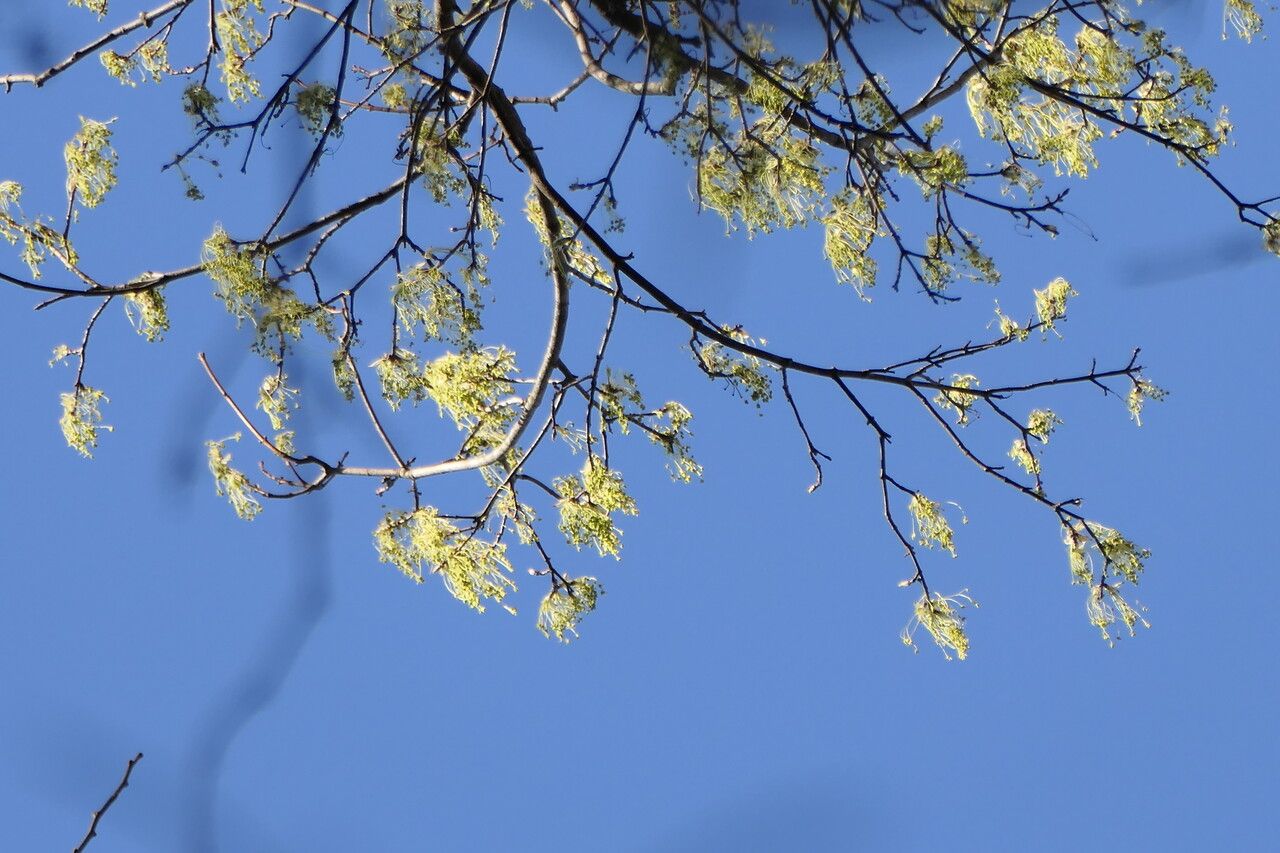
Unleash Your Inner Gardener: Propagating the Charming Two-petal Ash (Fraxinus dipetala)
The Two-petal Ash, or Fraxinus dipetala, is not your average backyard tree. Native to California and parts of Oregon, this deciduous beauty charms with its fragrant, feathery blooms and vibrant fall foliage. While readily available in nurseries, propagating your own Fraxinus dipetala is a rewarding endeavor for any plant enthusiast. Let’s explore the two most effective methods: growing from seed and taking hardwood cuttings.
1. Seeds: A Journey of Patience and Reward
Propagating Fraxinus dipetala from seed is an exciting (though lengthy) process that yields satisfying results. Here’s a breakdown:
- Seed Collection and Preparation: Collect seeds in fall when the capsules turn brown. Remove the winged outer layer and soak the seeds in lukewarm water for 24 hours to enhance germination.
- Cold Stratification: Mimicking nature, this crucial step requires a period of cold dormancy. Mix the seeds with damp vermiculite or sand and store them in a sealed bag in your refrigerator (around 40°F) for 60-90 days.
- Sowing Time: Sow the stratified seeds in spring, after the last frost. Plant them ¼ inch deep in a well-draining seed starting mix.
- Nurturing Growth: Keep the soil consistently moist but not waterlogged. Provide ample sunlight (at least 6 hours daily) and maintain a warm temperature.
- Transplanting: Seedlings are ready for transplanting once they develop a strong root system and a few true leaves, usually after a year. Choose a sunny location with well-drained soil.
2. Hardwood Cuttings: A Quicker Path to Success
Hardwood cutting is a faster propagation method suitable for experienced gardeners. This technique involves rooting a section of mature stem:
- Timing is Key: Take cuttings during the dormant season, ideally in late fall or early winter.
- Selecting the Cutting: Choose a healthy, one-year-old stem about 6-8 inches long and pencil-thick. Make a clean cut just below a leaf node.
- Prepare the Cutting: Remove any leaves from the bottom third of the cutting. Dip the cut end in rooting hormone powder to promote root development.
- Potting Mix and Placement: Plant the cutting in a pot filled with a well-draining rooting mix, burying about one-third of its length.
- Creating a Humid Environment: Cover the pot with a plastic bag or place it in a propagator to maintain humidity and warmth.
- Rooting and Transplanting: Roots typically develop within 6-8 weeks. Once new growth appears, transplant the cutting to a larger pot or directly into the ground.
Key Points for Success:
- Well-Drained Soil: Whether growing from seed or cuttings, Fraxinus dipetala thrives in well-drained soil. Amend heavy soil with compost or sand to improve drainage.
- Sun Requirements: Provide full sun to partial shade for optimal growth and flowering.
- Watering Needs: Water regularly during the first year, especially during dry spells. Once established, Fraxinus dipetala is relatively drought-tolerant.
Propagating your own Fraxinus dipetala is a journey of patience and care, but the rewards are immense. Seeing it flourish, knowing you’ve nurtured it from seed or cutting, brings a unique satisfaction to any gardener. So why wait? Embark on this fulfilling endeavor and add a touch of Californian charm to your landscape!