
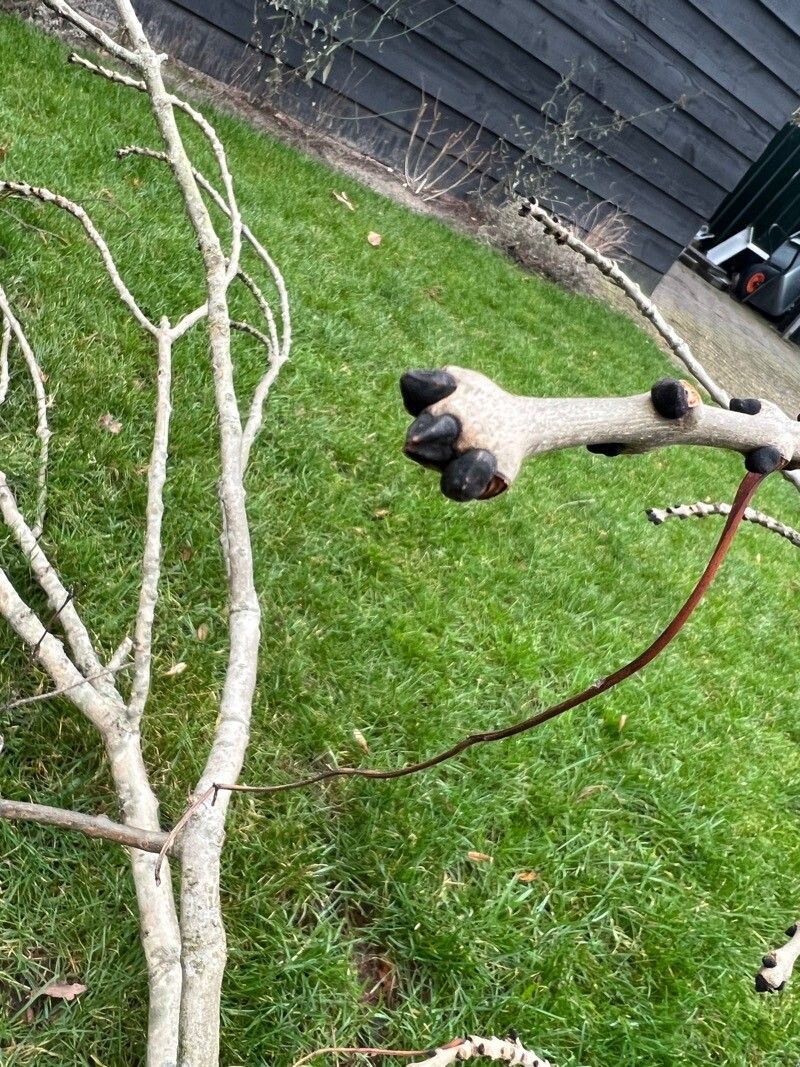
From Seed to Sapling: Propagating the Majestic Ash (Fraxinus excelsior)
The majestic Ash (Fraxinus excelsior), with its towering height and graceful, feathery leaves, is a beloved tree across Europe. If you’re captivated by the Ash’s beauty and want to bring a piece of its grandeur to your own garden, propagating it yourself is a rewarding journey.
While Ash trees are generally hardy and adaptable, their propagation does require some patience and know-how. Let’s explore the most effective methods for bringing these magnificent trees from seedling to sapling:
1. Seed Propagation:
The most common and natural method of propagating Ash is through seeds. These seeds are found within the iconic Ash keys, those winged samaras that swirl and dance in the autumn breeze.
- Harvesting the Seeds: Collect keys from mature Ash trees in late summer or early autumn. Look for the keys that have turned from green to a rich brown and are ready to release their seeds.
- Seed Stratification: Ash seeds have a hard seed coat that needs to be broken down before they can germinate. This process, known as stratification, mimics the natural winter conditions in the wild.
- Preparing for Planting: To stratify the seeds, simply place them in a sealed container with moist peat moss or vermiculite and store them in a cool, dark place (around 3-5°C) for 12-16 weeks. This simulates the winter cold that encourages germination.
- Sowing the Seeds: After stratification, sow the seeds in a well-drained seed tray or pot filled with a seed-starting mix. Cover the seeds lightly with soil and keep the mix consistently moist.
- Germination: Depending on the conditions, germination can take a few weeks to several months. Once the seedlings emerge, ensure they receive ample sunlight and water.
2. Cuttings:
While less popular than seed propagation, Ash can also be propagated from cuttings. This method is suitable for seasoned gardeners who prefer a quicker way to establish new trees.
- Choosing the Right Cuttings: To ensure success, gather semi-hardwood cuttings from the current year’s growth in late summer or early autumn. Aim for sections about 6-8 inches long with several leaves.
- Preparing the Cuttings: Remove the lower leaves leaving just a couple of leaves at the top. Dip the basal end of the cutting in rooting hormone to stimulate root growth.
- Planting the Cuttings: Insert the cuttings into a well-drained potting mix in a container placed in a bright, indirect light location. Keep the mix consistently moist.
- Root Development: Root development can take several months, so patience is key. During this period, ensure the cuttings remain protected from harsh sun and strong winds.
3. Air Layering:
Air layering is a unique propagation technique that works by encouraging root development on a branch while it’s still connected to the parent tree. It’s suitable for specific situations when you want to propagate a rare Ash variety.
- Choosing the Right Branch: Select a healthy branch on the parent ash tree that’s about half an inch thick.
- Making the Incision: Make a circular incision around the branch, removing a small section of bark (about 1 inch).
- Applying Rooting Hormone: Spread rooting hormone on the exposed wood and wrap it with moist sphagnum moss. Enclose the moss in a plastic wrap to maintain moisture.
- Root Development: It takes several months for roots to develop. Once you see signs of root growth, carefully cut the branch below the air layer and plant it in a pot.
Nurturing your Young Ash Tree:
Whether you choose seeds, cuttings, or air layering, nurturing your young Ash tree is essential for its healthy growth. Provide it with regular watering, especially during dry periods. Fertilize with a balanced fertilizer a few times a year. As the sapling matures, prune any damaged or dead branches for healthy development.
Conclusion:
Propagating the majestic Ash (Fraxinus excelsior) is a rewarding journey that allows you to witness the miracle of new life. Whether you choose the classic seed method, experiment with cuttings, or explore air layering, remember, patience and care will lead to a thriving Ash tree.