
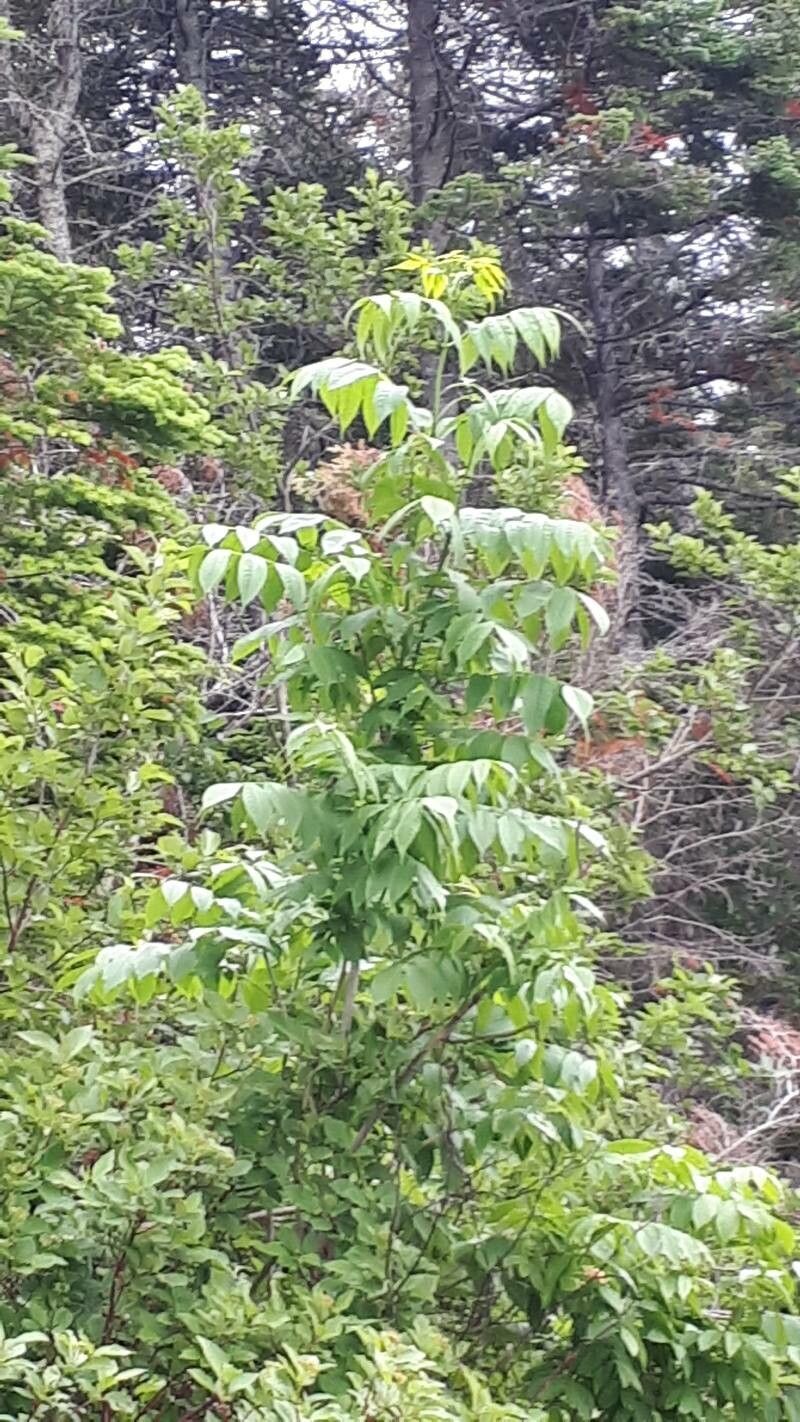
Bringing Back the Black: Propagating the Majestic Black Ash
The Black Ash (Fraxinus nigra) is a majestic tree, known for its striking dark bark and graceful, feathery leaves. Sadly, this once-common tree is facing a serious threat: Emerald Ash Borer infestation. But don’t despair! By learning how to propagate Black Ash, we can contribute to its conservation and bring this magnificent tree back to our landscapes.
Understanding the Basics:
Propagation, in simple terms, is the process of creating new plants from existing ones. For Black Ash, the most effective method is seed propagation. Here’s why:
- Abundant Seeds: Black Ash trees produce an abundance of seeds that readily germinate.
- Genetic Diversity: Seed propagation ensures genetic diversity, which is crucial for a healthy and resilient population.
Step-by-Step Guide to Black Ash Propagation:
- Collect Seeds: Harvest mature seeds in late summer or early autumn. Look for winged seeds that have turned brown and are ready to fall.
- Clean and Store: Gently remove any debris from the seeds and spread them on a dry surface to air dry. Once fully dried, store them in airtight containers in a cool, dry place until spring.
- Stratification: Black Ash seeds require a period of cold stratification to break their dormancy. This process mimics the natural cold winter conditions that trigger germination.
- Fill a container with moist peat moss or vermiculite.
- Mix in the seeds and place the container in the refrigerator for 8-12 weeks.
- Sowing: After stratification, it’s time to sow the seeds.
- Fill a seed tray or flats with a well-draining seed starting mix.
- Sow the seeds about ¼ inch deep and water thoroughly.
- Provide a bright, indirect light source and maintain consistently moist soil.
- Germination: Black Ash seeds typically germinate within 2-4 weeks.
- Transplanting: When seedlings reach a height of a few inches, gently transplant them into individual pots or larger seedling trays with suitable potting mix.
- Care: Continue to provide consistent moisture and light. Black Ash seedlings generally require full sun to grow.
Important Considerations:
- Choosing the Right Seeds: Ensure you’re collecting seeds from healthy and mature trees.
- Disease Prevention: Practice good sanitation to prevent fungal diseases.
- Patient Growth: Black Ash seedlings grow slowly, so be patient!
Beyond Propagation:
While propagation is an important step, it’s just one piece of the puzzle. We must also address the threats facing Black Ash:
- Control Emerald Ash Borer: Early detection and proactive measures are key to preventing further spread.
- Habitat Restoration: Encourage the planting of Black Ash in areas where it naturally occurs.
By combining these efforts, we can help ensure the future of this remarkable tree. So, let’s get involved! Join the fight for the majestic Black Ash and help bring this species back to its former glory.