
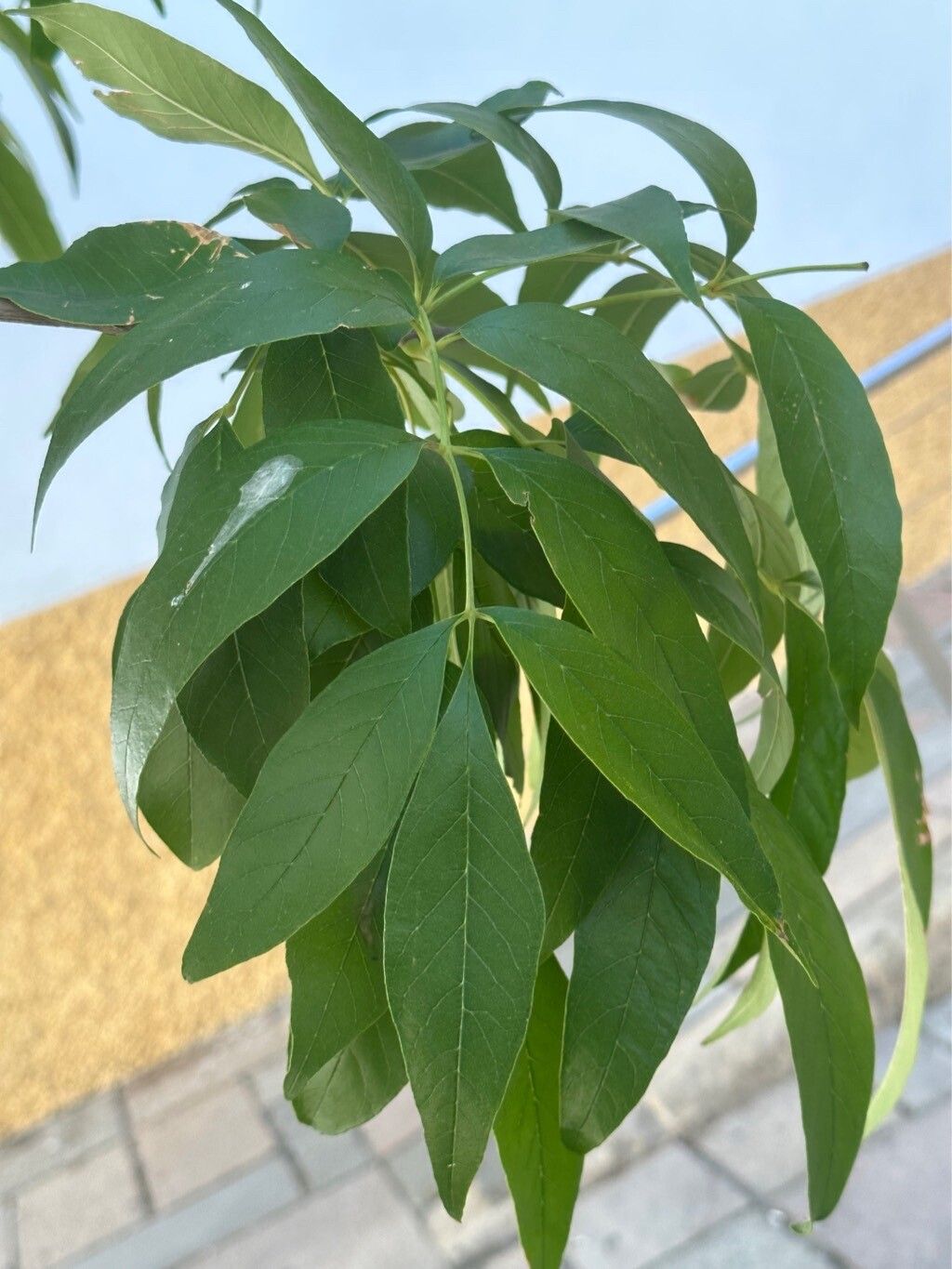
From Seed to Shade: Propagating the Velvet Ash (Fraxinus velutina)
The Velvet Ash, with its graceful branches and stunning fall foliage, makes a captivating addition to any landscape. But how can you get your hands on more of this lovely tree? The answer lies in the art of propagation – bringing new life to this native species through various methods.
Starting from Seed:
For the adventurous gardener, propagating the Velvet Ash from seed provides a rewarding experience. Here’s how:
- Gather seeds: Harvest mature samaras (winged seeds) in late fall. Look for those that have turned a rich brown color.
- Prepare the seeds: Remove the wings from the seeds and soak them in water for 24 hours. This helps to soften the seed coat and encourage germination.
- Sowing time: Sow the seeds directly into well-drained soil in a cool, moist location. A cold stratification period (exposure to cold temperatures) for a few weeks can be beneficial for germination.
- Patience is key: Germination can take several months, sometimes even a year! Patience and consistent watering are crucial.
Vegetative Propagation:
For a faster and more predictable approach, consider vegetative propagation using cuttings or layering:
1. Cuttings:
- Timing is everything: Take hardwood cuttings during the dormant season (winter) or semi-hardwood cuttings in late summer.
- Cutting selection: Choose healthy, disease-free stems with buds. Cuttings should be about 6-8 inches long.
- Rooting medium: Use a well-draining mix of peat moss, perlite, and vermiculite.
- Hormones and humidity: Applying rooting hormone to the base of the cutting and providing high humidity with a humidity dome or plastic wrap can enhance root development.
2. Layering:
- Types of layering: The most common method for Velvet Ash is air layering, where a branch is wounded and then covered with moist rooting medium to encourage root formation.
- Time to layer: Late spring or early summer is the ideal time for air layering.
- Preparation: Carefully wound the branch, remove a section of bark, and apply rooting hormone to the wound. Cover the wound with moist sphagnum moss and secure it with plastic wrap.
- Patience pays off: Roots should develop in a few months. Once the roots are established, you can carefully sever the branch from the parent tree.
Regardless of your chosen method, be prepared for some trial and error. Propagation success depends on factors like weather, soil conditions, and the individual plant. Remember to provide regular water, protect young plants from pests and diseases, and most importantly, be patient.
Beyond the garden:
The Velvet Ash is a valuable tree for wildlife. Its seeds are a food source for birds, and its dense canopy provides shelter for a variety of creatures. By propagating this tree, you not only enhance your own landscape but also contribute to the health and biodiversity of your local environment.
So, whether you’re a seasoned gardener or just starting out, consider the rewarding experience of propagating the Velvet Ash. With a little patience and effort, you can enjoy its beauty and provide a valuable resource for the natural world for years to come.