
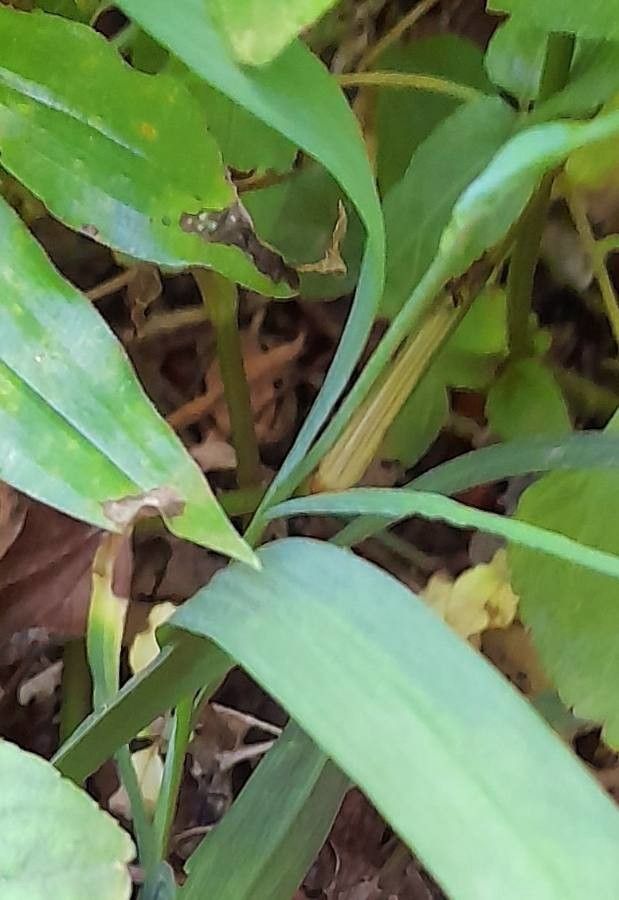
Bringing the Sweetest Scent Home: Propagating Your Own Freesia laxa
The delicate, fragrant blooms of Freesia laxa are a true delight, filling your home with the aroma of spring. But what if you could enjoy these sweet-scented beauties year-round, and even share them with friends? The answer lies in propagation, giving you a chance to grow your own Freesia laxa from scratch!
Why Propagate Freesia laxa?
Beyond the joy of creating new plants, propagating Freesia laxa has several advantages:
- Cost-effective: Instead of purchasing new bulbs each year, propagation allows you to multiply your current plants while saving money.
- Genetic preservation: You can preserve desirable traits from your existing plants, ensuring their unique characteristics are passed on to future generations.
- Greater plant variety: By experimenting with different propagation methods, you can create new variations and increase the diversity in your garden.
The Versatile Ways to Propagate Freesia laxa
There are two main methods for propagating Freesia laxa, each with its own charm and level of difficulty:
1. Division: This method involves dividing a mature clump of Freesia laxa bulbs into smaller sections, each with a portion of roots and stems. It’s relatively straightforward and generally provides the fastest results.
How to Divide:
a. Gently dig up the Freesia laxa clump after flowering.
b. Use a sharp knife or garden trowel to carefully separate the bulbs into smaller bunches.
c. Each section should have at least 3-4 bulbs.
d. Plant the divided clumps in well-drained soil, ensuring the top of the bulbs is just below the soil surface.
e. Water thoroughly and keep the soil moist.
2. Seed Propagation: This method involves sowing Freesia laxa seeds, offering a chance to create new plants from seed. While it takes longer, it allows for greater genetic variations and a sense of accomplishment.
How to Sow Seeds:
a. Sow seeds in a seed tray filled with a well-draining seed-starting mix.
b. Lightly press the seeds into the soil, but do not bury them deeply.
c. Keep the soil moist and ensure the seed tray has good drainage.
d. Place the tray in a warm, bright location, but avoid direct sunlight.
e. Seedlings should emerge in 1-2 weeks.
Tips for Successful Propagation
- Timing is key: The best time to divide Freesia laxa bulbs is after they have finished flowering.
- Cleanliness: Sterilize your tools to prevent disease spread.
- Drainage: Ensure the soil is well-drained to prevent root rot.
- Patience: Be patient, as propagation takes time.
Enjoy the Fruity of Your Labor
By following these steps, you’ll be on your way to enjoying the sweet scent of Freesia laxa all year round. Whether you choose division or seed propagation, this rewarding process allows you to create more of these beautiful plants with each passing season. So, get your hands dirty and let the fragrance of Freesia laxa bloom in your home!